


























Popular
What motivates Richard Kuklinski to become a hitman?
How does Kuklinski's family react to his criminal activities?
What role does the character of Roy Demeo play in Kuklinski's life?
How does Kuklinski's violent nature affect his relationships?
What is the significance of Kuklinski's nickname, 'The Iceman'?
Should I watch it?
Ask Your Own Question

What is the plot?
Sorry, we aren't able to watch and write up a full detailed plot yet. Check back in a few days.


What is the ending?
In the ending of "The Iceman," Richard Kuklinski is arrested and ultimately sentenced to life in prison. His family is left to grapple with the truth of his violent past. The film concludes with Kuklinski reflecting on his life and the choices he made, as he faces the consequences of his actions.
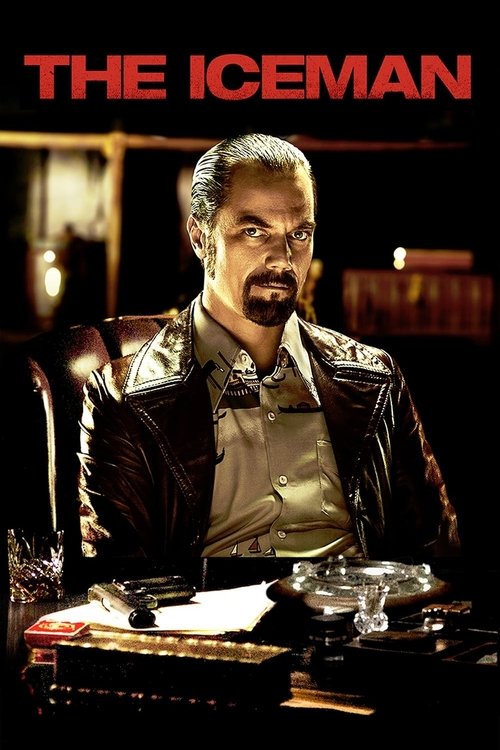
As the final act unfolds, we see Richard Kuklinski, portrayed by Michael Shannon, living a double life as a loving husband and father while secretly being a notorious hitman. The tension escalates as law enforcement closes in on him.
Scene by scene, the narrative begins to unravel. Richard's wife, Deborah (played by Winona Ryder), is increasingly suspicious of his erratic behavior and the secrets he keeps. The film captures her emotional turmoil as she tries to reconcile the man she loves with the violent criminal he truly is.
In a pivotal moment, Richard's criminal activities catch up with him. He is arrested in a dramatic scene that showcases the culmination of his violent lifestyle. The police storm his home, and Richard is taken into custody, his expression a mix of defiance and resignation. The weight of his actions begins to settle in as he is led away in handcuffs, the reality of his life as a killer crashing down around him.
As he sits in a prison cell, Richard reflects on his life choices. Flashbacks reveal the moments that led him down this dark path, including his early experiences with violence and the choices he made to protect his family. The emotional weight of his decisions is palpable, as he grapples with the impact of his actions on those he loves.
Deborah and their children are left to deal with the fallout of Richard's arrest. The film poignantly captures their pain and confusion as they confront the truth about the man they thought they knew. Deborah's heartbreak is evident as she struggles to maintain a sense of normalcy for their children while coming to terms with the reality of Richard's life.
In the final scenes, Richard is shown in prison, isolated and reflecting on his past. The camera lingers on his face, revealing a man who is both hardened by his experiences and haunted by the choices he made. The film closes with a sense of inevitability, as Richard's fate is sealed by the life he chose, leaving a legacy of violence and sorrow for his family to bear.
Ultimately, Richard Kuklinski is sentenced to life in prison, where he will spend the remainder of his days. Deborah and their children are left to navigate a world forever altered by his actions, grappling with the duality of the man they loved and the monster he became. The film ends on a somber note, emphasizing the profound consequences of a life steeped in crime and the emotional toll it takes on those left behind.
Is there a post-credit scene?
The movie "The Iceman," produced in 2012, does not have a post-credit scene. The film concludes with the final scenes that depict the aftermath of Richard Kuklinski's life, focusing on his arrest and the impact of his actions on his family. The narrative wraps up without any additional scenes or content after the credits roll, leaving the audience to reflect on the complexities of Kuklinski's character and the consequences of his violent lifestyle.
What motivates Richard Kuklinski to become a hitman?
Richard Kuklinski, portrayed by Michael Shannon, is driven by a complex mix of factors that lead him into the world of organized crime. His childhood experiences, marked by abuse and neglect, instill in him a deep-seated need for power and control. As he grows older, he becomes increasingly desensitized to violence, viewing it as a means to assert dominance and provide for his family. His desire to maintain a facade of normalcy, especially in front of his wife and children, further complicates his motivations, as he struggles to reconcile his dual life.
How does Kuklinski's family react to his criminal activities?
Kuklinski's family, particularly his wife Deborah, played by Winona Ryder, is initially unaware of his criminal activities. As the story unfolds, Deborah's discovery of Richard's true nature leads to a profound sense of betrayal and fear. She grapples with the realization that the man she loves is capable of horrific violence. This tension creates a rift in their relationship, as Deborah struggles to protect their children from the dark reality of their father's life while also trying to maintain her own sense of safety and stability.
What role does the character of Roy Demeo play in Kuklinski's life?
Roy Demeo, portrayed by Ray Liotta, is a significant figure in Kuklinski's criminal career. As a mobster, Demeo introduces Kuklinski to the world of contract killing, recognizing his potential for brutality. Their relationship is marked by a mix of camaraderie and manipulation, as Demeo uses Kuklinski's skills for his own gain. Demeo's influence pushes Kuklinski deeper into the criminal underworld, leading to a series of violent acts that further entrench him in a life of crime.
How does Kuklinski's violent nature affect his relationships?
Kuklinski's violent nature creates a profound impact on his relationships, particularly with his family and associates. His ability to compartmentalize his life allows him to maintain a facade of normalcy at home, but the emotional toll is evident. His children, especially, are affected by the underlying tension and fear that permeates their household. Additionally, his relationships with fellow criminals are often transactional and fraught with distrust, as Kuklinski's reputation for violence both earns him respect and instills fear among his peers.
What is the significance of Kuklinski's nickname, 'The Iceman'?
The nickname 'The Iceman' holds significant weight in Kuklinski's life, symbolizing his cold, detached approach to murder. It reflects his ability to commit heinous acts without remorse, likening him to a machine rather than a man. This moniker also serves as a chilling reminder of his dual existence; while he presents himself as a loving family man, his true identity is that of a ruthless killer. The name encapsulates the emotional and psychological barriers Kuklinski erects to cope with his violent lifestyle.
Is this family friendly?
The Iceman, produced in 2012, is not considered family-friendly due to its mature themes and graphic content. Here are some potentially objectionable or upsetting aspects that may affect children or sensitive viewers:
-
Violence and Murder: The film depicts numerous scenes of violence, including graphic portrayals of murder. The protagonist, Richard Kuklinski, is a hitman, and his profession leads to several intense and brutal sequences.
-
Strong Language: The dialogue includes frequent use of strong profanity, which may be inappropriate for younger audiences.
-
Drug Use: There are scenes that involve drug use and the drug trade, which may be disturbing or unsuitable for children.
-
Infidelity and Relationship Strain: The film explores complex adult relationships, including infidelity and the emotional strain it places on family dynamics, which may be difficult for younger viewers to understand.
-
Psychological Themes: The film delves into the psychological impact of a life of crime, including themes of isolation, guilt, and the struggle between personal and professional life, which may be heavy for sensitive viewers.
Overall, The Iceman contains mature content that is likely to be upsetting or inappropriate for children and sensitive individuals.








