











































Popular
What motivates Buck to leave his comfortable life and embrace the wild?
How does Buck's relationship with John Thornton develop throughout the film?
What challenges does Buck face while adapting to life as a sled dog?
What role does Spitz play in Buck's journey, and how does their rivalry unfold?
How does Buck respond to the call of the wild throughout the film?
Should I watch it?
Ask Your Own Question

What is the plot?
Sorry, we aren't able to watch and write up a full detailed plot yet. Check back in a few days.





What is the ending?
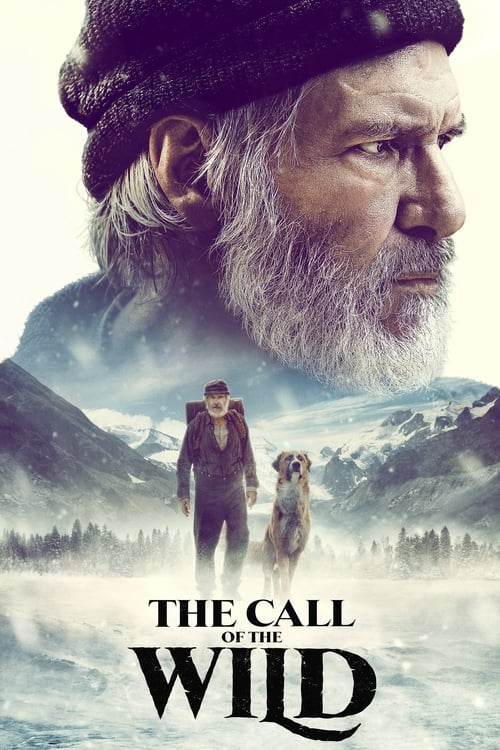
In the ending of "The Call of the Wild," Buck, the St. Bernard-Scotch Collie mix, fully embraces his wild instincts and answers the call of the wild. After a series of adventures and challenges, he leads a wolf pack in the wilderness, having found his true place in nature. John Thornton, his beloved owner, dies at the hands of a group of men seeking revenge, which deeply affects Buck. Ultimately, Buck chooses to live freely in the wild, symbolizing his transformation and connection to his ancestral roots.
As the film approaches its conclusion, the tension escalates dramatically. Buck, having endured the harsh realities of life as a sled dog, has formed a deep bond with John Thornton, played by Harrison Ford. Their relationship is built on mutual respect and love, and Buck has grown from a domesticated pet into a strong, capable creature, embodying the spirit of the wild.
In a pivotal scene, Buck and Thornton are camped by a river, where they share a moment of tranquility. Thornton, who has been a father figure to Buck, expresses his desire to escape the burdens of civilization. He dreams of finding a legendary gold mine, and Buck, sensing Thornton's yearning for freedom, is eager to support him. However, their peaceful existence is shattered when a group of men, led by the ruthless Hal, returns to seek revenge on Thornton for a previous confrontation.
The tension mounts as Hal and his men confront Thornton, demanding that he relinquish Buck. In a heart-wrenching moment, Buck senses the danger and the impending threat to Thornton. Despite Thornton's attempts to protect him, Buck's instincts kick in, and he prepares to defend his beloved owner. The confrontation escalates, and in a tragic turn of events, Thornton is fatally injured during the struggle. Buck watches helplessly as the man he loves is taken from him, leaving him heartbroken and alone.
In the aftermath of Thornton's death, Buck is consumed by grief. He wanders the wilderness, feeling the weight of his loss. However, as he roams the vast, untamed landscape, he begins to hear the call of the wild more clearly. The sounds of nature resonate within him, awakening his primal instincts. He encounters a pack of wolves, and instead of shying away, he feels an undeniable connection to them. Buck realizes that he is no longer just a domesticated dog; he is a creature of the wild.
In the final scenes, Buck fully embraces his new identity. He joins the wolf pack, leading them with confidence and strength. The camera captures the beauty of the wilderness, showcasing Buck's transformation as he runs alongside his new companions. The film closes with a powerful image of Buck howling at the moon, symbolizing his complete acceptance of his wild nature and the legacy of his ancestors.
As the credits roll, the fates of the main characters are clear. Buck has chosen the wild over the comforts of civilization, embodying the spirit of freedom and adventure. John Thornton's tragic fate serves as a poignant reminder of the bond between humans and animals, while Buck's journey reflects the struggle between domestication and the call of the wild. The film concludes with a sense of closure, as Buck finds his true place in the world, forever changed by his experiences and the love he shared with Thornton.
Is there a post-credit scene?
The 2020 film "The Call of the Wild" does not have a post-credit scene. The movie concludes with Buck, the main character, having fully embraced his wild instincts and finding his place in the natural world. After the main narrative wraps up, the film ends on a poignant note, emphasizing Buck's transformation and connection to the wilderness, but there are no additional scenes or content after the credits.
What motivates Buck to leave his comfortable life and embrace the wild?
Buck, a large and powerful St. Bernard-Scotch Collie mix, initially lives a privileged life in California as the pet of Judge Miller. However, when he is kidnapped and sold into the brutal world of sled dog racing in the Yukon, he is forced to adapt to survive. His motivation to leave his comfortable life stems from the harsh realities he faces, the instinctual call of the wild that awakens within him, and the need to assert his strength and independence.
How does Buck's relationship with John Thornton develop throughout the film?
Buck's relationship with John Thornton, played by Harrison Ford, evolves significantly over the course of the film. Initially, Buck is wary of humans due to his past experiences with cruel owners. However, when Thornton saves him from a dangerous situation, Buck begins to trust him. Their bond deepens as Thornton shows Buck kindness and respect, allowing Buck to express his true nature. This relationship becomes a pivotal emotional anchor for Buck, representing loyalty, love, and the freedom to be himself.
What challenges does Buck face while adapting to life as a sled dog?
As Buck transitions to life as a sled dog, he faces numerous challenges that test his physical and mental limits. He endures harsh weather conditions, learns to navigate the hierarchy of the dog team, and confronts the brutality of other dogs and their human handlers. Buck's struggle for dominance against Spitz, the lead dog, is particularly significant, as it symbolizes his fight for survival and his growing connection to his primal instincts.
What role does Spitz play in Buck's journey, and how does their rivalry unfold?
Spitz, the lead dog of the sled team, serves as both an antagonist and a catalyst for Buck's transformation. Initially, Spitz is dominant and aggressive, asserting his authority over the other dogs, including Buck. Their rivalry escalates as Buck learns to harness his instincts and strength. The conflict culminates in a fierce battle for leadership, where Buck ultimately defeats Spitz, marking his emergence as a powerful and independent figure in the wild.
How does Buck respond to the call of the wild throughout the film?
Throughout the film, Buck's response to the call of the wild is a gradual awakening of his primal instincts. Initially, he is confused and frightened by the harsh realities of his new life. However, as he faces challenges and forms bonds with other characters, particularly John Thornton, he begins to embrace his wild nature. The call becomes a powerful force that drives him to explore his surroundings, connect with the wilderness, and ultimately choose a life that aligns with his true self.
Is this family friendly?
The Call of the Wild (2020) is generally considered family-friendly, but there are a few scenes and themes that may be potentially objectionable or upsetting for children or sensitive viewers.
-
Animal Violence: There are scenes depicting dog fights and aggressive encounters between animals, which may be distressing for younger viewers or those sensitive to animal welfare.
-
Harsh Wilderness Conditions: The film portrays the brutal realities of survival in the wild, including extreme weather conditions and the struggle for food, which could be unsettling.
-
Death and Loss: Themes of loss are present, including the death of animals and the emotional impact it has on the characters, which may evoke sadness.
-
Emotional Struggles: The main character, Buck, experiences significant emotional turmoil as he adapts to a new life and faces challenges, which may resonate deeply with sensitive viewers.
-
Human Conflict: There are moments of tension and conflict between human characters, including scenes that depict greed and betrayal, which could be intense for younger audiences.
Overall, while the film has adventure and heartwarming moments, these elements may require parental guidance for younger viewers.








