


















Popular
What role does the character of the doctor play in the story?
What happens to the character of Gina after she sees her doppelgänger?
How does the relationship between Gina and her father evolve throughout the film?
How does the film depict the theme of identity through the character of Gina?
What is the significance of the doppelgänger in relation to Gina's character development?
Should I watch it?
Ask Your Own Question

What is the plot?
Sorry, we aren't able to watch and write up a full detailed plot yet. Check back in a few days.




What is the ending?
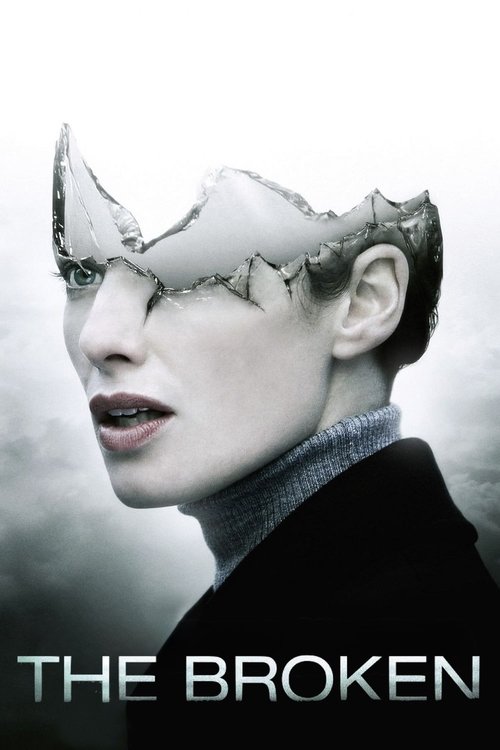
In the ending of "The Broken," the protagonist, Gina, discovers the truth about her doppelgänger and the sinister events surrounding her. The film culminates in a tense confrontation that leads to a shocking revelation about identity and reality.
As the film reaches its climax, Gina is increasingly haunted by the presence of her double. She finds herself in a disorienting situation where she is pursued by her doppelgänger, leading to a frantic chase through her apartment. The tension escalates as Gina confronts her fears and the reality of her situation. In a moment of desperation, she faces her double, leading to a violent struggle that ultimately results in her own death. The film concludes with a chilling twist, revealing that the doppelgänger has taken Gina's place, leaving the audience questioning the nature of identity and existence.
Now, let's delve into the ending in a more detailed, chronological narrative.
As the final act unfolds, Gina is in a state of heightened anxiety, her mind racing with the implications of her doppelgänger's existence. The atmosphere is thick with dread as she navigates her apartment, the once familiar space now feeling alien and threatening. Shadows loom larger, and every creak of the floorboards sends her heart racing. She is desperate to understand what is happening to her, feeling increasingly isolated and paranoid.
In a pivotal scene, Gina receives a phone call from her friend, who is also concerned about her well-being. The conversation is fraught with tension, as Gina struggles to articulate her fears. Her friend urges her to stay calm and assures her that she will come over. However, as the call ends, Gina's sense of dread deepens; she feels the presence of her double lurking nearby.
The film cuts to a scene where Gina is in her living room, pacing back and forth, her breath quickening. Suddenly, she catches a glimpse of her doppelgänger in the reflection of a mirror. The sight sends her into a panic, and she rushes to confront the figure. The doppelgänger, eerily calm, mirrors Gina's movements, creating a disorienting effect that heightens the tension. Gina's internal struggle is palpable; she is torn between confronting this entity and fleeing from it.
In a frantic chase, Gina runs through her apartment, desperately trying to escape the doppelgänger. The camera follows her closely, capturing her frantic movements and the fear etched on her face. She bursts into her bedroom, slamming the door behind her, but the doppelgänger is relentless. The door rattles as the figure attempts to break in, and Gina's heart pounds in her chest.
In a climactic moment, Gina decides to confront her double. She opens the door, and they come face to face. The tension is electric as they stare at each other, both women reflecting a mix of fear and defiance. The doppelgänger speaks, her voice a chilling echo of Gina's own, taunting her with the truth of their shared existence. In a moment of rage and desperation, Gina lunges at her double, leading to a violent struggle.
The fight is intense, filled with visceral emotion as both women grapple for control. The struggle culminates in a tragic turn when Gina, in a moment of vulnerability, is overpowered. The doppelgänger, with a cold determination, delivers a fatal blow. Gina collapses to the floor, her life slipping away as she realizes the horrifying truth: she has been replaced.
The final scene reveals the doppelgänger standing over Gina's lifeless body, a chilling smile on her face. The camera pulls back, showing the apartment in disarray, a stark contrast to the life that once filled it. The doppelgänger then walks away, seamlessly taking on Gina's identity, leaving the audience with a haunting sense of loss and the unsettling question of what it means to truly be oneself.
In the aftermath, the fate of the main characters is sealed. Gina is dead, her identity usurped by her doppelgänger, who now lives her life without any of the emotional ties or memories that defined Gina. The film closes on this haunting note, emphasizing themes of identity, fear, and the fragility of self, leaving viewers to ponder the implications of the story long after the credits roll.
Is there a post-credit scene?
The movie "The Broken," produced in 2008, does not have a post-credit scene. The film concludes with its final moments, leaving the audience with a sense of unease and ambiguity regarding the fate of the characters and the overarching themes of identity and reality. The narrative wraps up without any additional scenes or revelations after the credits roll.
What role does the character of the doctor play in the story?
The doctor serves as a pivotal figure in the narrative, representing a voice of reason amidst Gina's spiraling paranoia. He attempts to provide her with a rational explanation for her experiences, suggesting that her fears may stem from psychological issues. However, as the story unfolds, his character also becomes a source of tension, as Gina's trust in him wavers, and she begins to question whether he is truly there to help her or if he has ulterior motives.
What happens to the character of Gina after she sees her doppelgänger?
After Gina sees her doppelgänger, she becomes increasingly paranoid and disturbed. This encounter triggers a series of unsettling events in her life, leading her to question her own identity and reality. She experiences a growing sense of dread and isolation, which culminates in her frantic attempts to understand the nature of the doppelgänger and the implications it has on her life.
How does the relationship between Gina and her father evolve throughout the film?
Gina's relationship with her father is strained and complex. Initially, there is a sense of distance and misunderstanding between them, particularly as Gina grapples with her fears and the strange occurrences surrounding her. As the film progresses, her father's concern for her well-being becomes more apparent, but it is overshadowed by the tension created by the mysterious events. Their interactions reveal a mix of love, frustration, and a desperate need for connection amidst the chaos.
How does the film depict the theme of identity through the character of Gina?
Gina's journey throughout the film is a profound exploration of identity. After encountering her doppelgänger, she becomes obsessed with the idea of who she is versus who she might be. This internal conflict manifests in her relationships and her perception of reality, leading to moments of deep introspection and fear. The film visually represents her struggle through disorienting scenes and a fragmented narrative that mirrors her fractured sense of self.
What is the significance of the doppelgänger in relation to Gina's character development?
The doppelgänger serves as a catalyst for Gina's character development, forcing her to confront her deepest fears and insecurities. The appearance of her double symbolizes the parts of herself that she is unwilling to acknowledge or accept. As the film progresses, the doppelgänger becomes a haunting presence that drives Gina to question her sanity and ultimately leads her to a confrontation with her own identity, pushing her towards a critical transformation.
Is this family friendly?
"The Broken," produced in 2008, is not considered family-friendly due to its intense themes and disturbing content. Here are some potentially objectionable or upsetting aspects that may affect children or sensitive viewers:
-
Violence and Gore: The film contains scenes of violence that may be graphic and unsettling, including moments of physical harm and bloodshed.
-
Psychological Horror: The narrative delves into themes of paranoia and psychological distress, which can be disturbing and may evoke feelings of fear or anxiety.
-
Death and Loss: The film addresses themes of death and the emotional turmoil associated with loss, which can be heavy and upsetting for younger audiences.
-
Disturbing Imagery: There are unsettling visual elements that contribute to the horror atmosphere, which may be frightening for sensitive viewers.
-
Adult Themes: The film explores complex adult relationships and emotional struggles that may not be appropriate for children.
Overall, the film's dark tone and mature content make it unsuitable for a younger audience or those who are sensitive to horror and psychological themes.









