

































Popular
What is the significance of the Spanish Civil War in the relationship between Hemingway and Gellhorn?
How does Martha Gellhorn's character evolve throughout the film?
What role does Hemingway's jealousy play in the story?
How does the film portray the impact of war on both Hemingway and Gellhorn?
What is the significance of the character of John Dos Passos in the film?
Should I watch it?
Ask Your Own Question

What is the plot?
Sorry, we aren't able to watch and write up a full detailed plot yet. Check back in a few days.
More Movies Like This
Browse All Movies →


What is the ending?
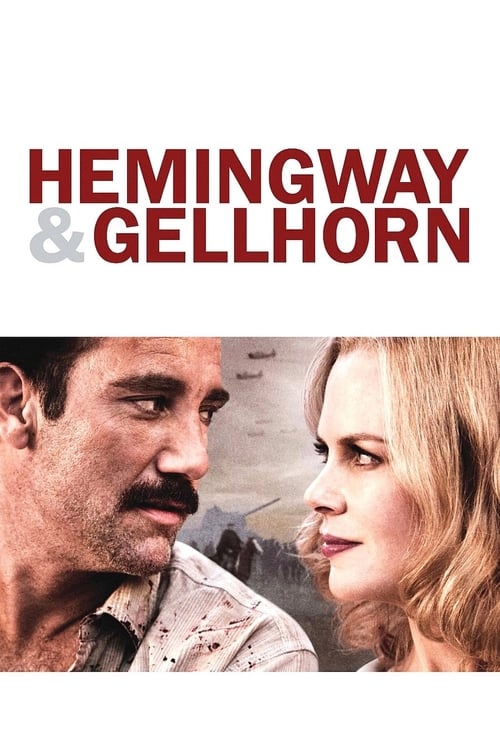
In the ending of "Hemingway & Gellhorn," the tumultuous relationship between Ernest Hemingway and Martha Gellhorn reaches a breaking point. After years of passionate love and professional collaboration, they find themselves drifting apart. Martha, feeling increasingly sidelined by Hemingway's fame and his struggles with mental health, decides to leave him. The film concludes with Hemingway reflecting on his life and work, ultimately facing his own demons alone.
As the final scenes unfold, we see Hemingway in his later years, grappling with the weight of his legacy and the loneliness that accompanies it. Martha, having moved on, continues her career as a journalist and writer, but the emotional scars of their relationship linger. The film closes with a poignant sense of loss, both for their love and for the vibrant lives they once shared.
The ending of "Hemingway & Gellhorn" unfolds with a series of emotionally charged scenes that encapsulate the decline of their relationship.
Scene 1: The film transitions to a dimly lit room where Ernest Hemingway sits at his typewriter, the sound of keys clacking echoing in the silence. He is surrounded by the remnants of his past--books, photographs, and memories of his time with Martha Gellhorn. The weight of his literary fame hangs heavily on him, but it is clear that the accolades do little to fill the void left by Martha's absence.
Scene 2: In a flashback, we see Martha, vibrant and determined, in the midst of her own career. She is on assignment, capturing the world through her sharp lens and pen. However, there is a palpable sense of longing in her eyes as she reflects on her relationship with Hemingway. The juxtaposition of her professional success against her personal turmoil highlights the conflict between her ambitions and the emotional toll of their love.
Scene 3: The narrative shifts back to Hemingway, who is now increasingly isolated. He struggles with his mental health, haunted by memories of war and the ghosts of his past. The camera captures his frail figure, a stark contrast to the robust persona he once embodied. He is seen drinking alone, the alcohol serving as both a comfort and a curse, further alienating him from the world around him.
Scene 4: In a pivotal moment, Martha returns to visit Hemingway. Their conversation is charged with unspoken words and unresolved feelings. They reminisce about their shared experiences, but the underlying tension is palpable. Martha expresses her desire to move forward with her life, while Hemingway clings to the remnants of their relationship, desperate to hold onto what they once had. The emotional stakes are high, and both characters are at a crossroads.
Scene 5: As the conversation reaches its climax, Martha makes the painful decision to leave. She walks away, her silhouette framed against the backdrop of a fading sunset, symbolizing the end of an era. Hemingway watches her go, a mixture of regret and longing etched on his face. This moment encapsulates the essence of their relationship--passionate yet fraught with conflict, love intertwined with pain.
Scene 6: The film concludes with Hemingway alone in his home, surrounded by the echoes of his past. He reflects on his life, the triumphs and tragedies, and the love he lost. The final shot lingers on his face, capturing the depth of his sorrow and the weight of his legacy. The screen fades to black, leaving the audience with a sense of melancholy and the understanding that both Hemingway and Gellhorn have moved on, yet remain forever marked by their tumultuous love story.
In the end, Hemingway's fate is one of solitude, grappling with his inner demons and the ghosts of his past, while Martha continues to forge her own path, embodying resilience and independence. Their story, marked by passion and conflict, ultimately serves as a poignant reminder of the complexities of love and the sacrifices made in the pursuit of personal and professional fulfillment.
Is there a post-credit scene?
The movie "Hemingway & Gellhorn," produced in 2012, does not contain a post-credit scene. The film concludes with a poignant reflection on the tumultuous relationship between Ernest Hemingway and Martha Gellhorn, highlighting their passionate love, shared experiences in war, and the eventual strains that led to their separation. The final moments focus on the emotional weight of their connection, leaving the audience with a sense of closure regarding their complex partnership without any additional scenes after the credits.
What is the significance of the Spanish Civil War in the relationship between Hemingway and Gellhorn?
The Spanish Civil War serves as a backdrop that intensifies the relationship between Ernest Hemingway and Martha Gellhorn. It is during this tumultuous time that they meet, and their shared passion for journalism and the war effort draws them closer together. The chaos and violence of the war reflect their own tumultuous relationship, highlighting both their personal struggles and their commitment to capturing the truth of human suffering.
How does Martha Gellhorn's character evolve throughout the film?
Martha Gellhorn begins as a determined and ambitious journalist, eager to make her mark in a male-dominated field. As the film progresses, her experiences in war zones and her relationship with Hemingway shape her into a more complex character. She grapples with her identity as both a writer and a woman in love, ultimately asserting her independence and professional integrity, especially as Hemingway's fame begins to overshadow her own.
What role does Hemingway's jealousy play in the story?
Hemingway's jealousy is a driving force in the narrative, particularly as Gellhorn's career begins to flourish. His insecurities about her success and the attention she receives from other men create tension in their relationship. This jealousy manifests in possessive behavior and emotional outbursts, revealing Hemingway's deep-seated fears of inadequacy and loss, which ultimately contribute to the unraveling of their marriage.
How does the film portray the impact of war on both Hemingway and Gellhorn?
The film vividly illustrates the psychological and emotional toll that war takes on both Hemingway and Gellhorn. Their experiences in the field expose them to the brutality of conflict, leading to moments of trauma and disillusionment. The war not only fuels their passion for writing but also strains their relationship, as they struggle to reconcile their love for each other with the horrors they witness, ultimately shaping their identities as writers and individuals.
What is the significance of the character of John Dos Passos in the film?
John Dos Passos serves as a pivotal character in the film, representing both a friend and a rival to Hemingway. His presence highlights the competitive nature of the literary world and the complexities of Hemingway's relationships with other writers. Dos Passos' interactions with Gellhorn also underscore the tension between her professional ambitions and her romantic entanglements, further complicating the dynamics between the three characters.
Is this family friendly?
"Hemingway & Gellhorn," produced in 2012, is not considered family-friendly due to its mature themes and content. Here are some potentially objectionable or upsetting aspects that may occur for children or sensitive viewers:
-
Graphic War Scenes: The film depicts the Spanish Civil War, featuring intense and violent battle sequences that may be distressing.
-
Sexual Content: There are several explicit sexual scenes that explore the complex relationship between Ernest Hemingway and Martha Gellhorn, which may not be suitable for younger audiences.
-
Substance Abuse: Characters are shown engaging in drinking and drug use, reflecting the tumultuous lifestyle of the protagonists.
-
Emotional Turmoil: The film delves into themes of infidelity, jealousy, and the emotional struggles of the characters, which may be heavy for sensitive viewers.
-
Death and Loss: The narrative includes moments of grief and loss, particularly related to the impact of war, which can be upsetting.
These elements contribute to the film's mature rating and may not be appropriate for children or those who are sensitive to such themes.







