




























Popular
What happens to Samantha after she is infected in the first film?
How does Riley react to discovering his own infection?
What role does the character of Alice play in Riley's journey?
How does the infection affect Riley's relationships with others?
What is the significance of the character of the doctor in the story?
Should I watch it?
Ask Your Own Question

What is the plot?
Sorry, we aren't able to watch and write up a full detailed plot yet. Check back in a few days.









What is the ending?
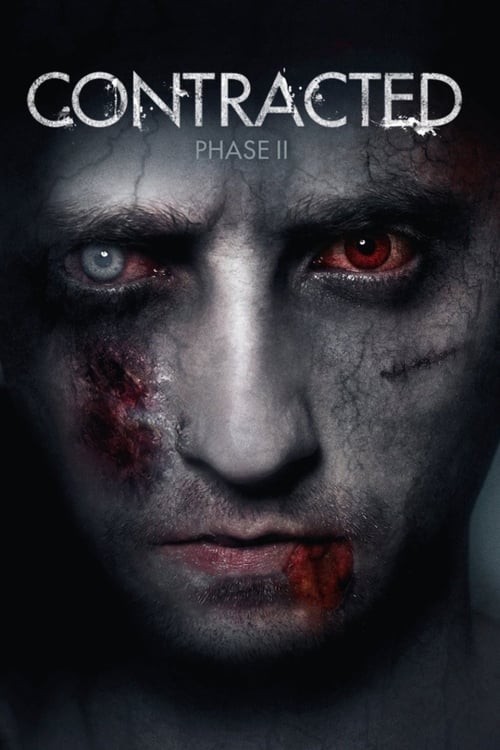
In the ending of "Contracted: Phase II," the protagonist, Sam, succumbs to the effects of the infection, leading to a tragic conclusion. He ultimately infects his girlfriend, and the film closes with a haunting image of the cycle of the disease continuing.
As the film approaches its climax, we find Sam in a state of desperation. The infection that has ravaged his body is now visibly deteriorating him, both physically and mentally. He is haunted by the memories of his previous life, filled with moments of love and connection, now overshadowed by the grotesque reality of his condition. Sam's internal struggle is palpable; he grapples with the fear of what he has become and the potential harm he could inflict on those he cares about.
In a pivotal scene, Sam confronts his girlfriend, who is blissfully unaware of the horror that is about to unfold. He tries to warn her, but the emotional weight of his transformation makes it difficult for him to articulate the danger. The tension builds as he realizes that he is losing control over his body and mind. The infection has taken a toll on his judgment, and he is torn between his love for her and the instinctual drive of the disease.
As the night progresses, Sam's condition worsens. He experiences violent outbursts, and the grotesque symptoms of the infection manifest more severely. In a moment of desperation, he attempts to isolate himself, fearing that he will hurt his girlfriend. However, the pull of their relationship is too strong, and he finds himself drawn back to her, despite the risk.
In a tragic turn of events, Sam inadvertently infects his girlfriend during an intimate moment. The horror of this act weighs heavily on him, and he is left in a state of despair, realizing that he has doomed her to the same fate he is suffering. The film captures the moment with a haunting intensity, emphasizing the cycle of infection and the loss of control that both characters experience.
The final scenes depict Sam's complete transformation into a monstrous version of himself, a visual representation of the infection's grip on him. He is now a shell of the person he once was, consumed by the disease. The film closes with a chilling image of his girlfriend, now showing early signs of the infection, mirroring Sam's earlier experiences. The cycle of the disease continues, leaving the audience with a sense of dread and the stark reality of the consequences of unchecked desires and the fragility of human connections.
In summary, Sam's fate is sealed as he becomes a victim of the infection, and his girlfriend is left to face the same horrific journey, highlighting the film's themes of loss, the consequences of actions, and the inescapable nature of the disease.
Is there a post-credit scene?
Yes, "Contracted: Phase II" features a post-credit scene that adds a chilling twist to the narrative.
As the credits roll, the scene opens in a dimly lit room where a woman is seen sitting on a bed, looking distressed and disheveled. She appears to be in a state of panic, her breathing quickening as she clutches her phone tightly. The atmosphere is tense, filled with an unsettling silence that amplifies her anxiety.
Suddenly, the door creaks open, and a figure enters the room. It's a man, and he seems to be concerned, asking her if she's okay. The woman, visibly shaken, reveals that she has been feeling unwell and is experiencing strange symptoms. Her skin is pale, and there are signs of irritation, hinting at a possible infection.
As the man tries to comfort her, she suddenly collapses, writhing in pain. The camera zooms in on her face, capturing her fear and confusion. The man, alarmed, rushes to her side, but as he does, the scene shifts to a close-up of her arm, where the skin begins to break out in lesions, reminiscent of the symptoms seen in the previous characters afflicted by the disease.
The scene ends with a haunting implication that the cycle of infection continues, leaving the audience with a sense of dread and uncertainty about the spread of the disease. This post-credit moment serves as a grim reminder of the film's themes of contagion and the inescapable nature of the horror that has unfolded.
What happens to Samantha after she is infected in the first film?
In 'Contracted: Phase II', Samantha's infection leads to a rapid deterioration of her health, and her condition becomes a central focus as the protagonist, Riley, tries to understand the implications of her transformation.
How does Riley react to discovering his own infection?
Riley experiences a mix of horror and denial upon realizing he has contracted the same disease as Samantha. His emotional state fluctuates between panic, confusion, and a desperate need to find a solution.
What role does the character of Alice play in Riley's journey?
Alice serves as a confidante and a source of support for Riley. She is initially unaware of the severity of his condition but becomes increasingly concerned as his symptoms worsen, highlighting the emotional strain on their relationship.
How does the infection affect Riley's relationships with others?
As Riley's infection progresses, he becomes increasingly isolated. His interactions with friends and family become strained, as he struggles to hide his symptoms and the fear of transmitting the disease to others.
What is the significance of the character of the doctor in the story?
The doctor represents a glimmer of hope for Riley, as he seeks medical advice and answers about the infection. However, the doctor's inability to provide a clear solution adds to Riley's sense of desperation and urgency.
Is this family friendly?
"Contracted: Phase II" is not family-friendly and contains several potentially objectionable or upsetting scenes that may be distressing for children or sensitive viewers. Here are some aspects to consider:
-
Graphic Body Horror: The film features intense and graphic depictions of bodily decay and infection, which can be unsettling and disturbing.
-
Sexual Content: There are scenes that involve sexual situations and themes, including the consequences of sexual encounters, which may not be appropriate for younger audiences.
-
Violence: The film includes violent scenes, including physical confrontations and moments of aggression that can be jarring.
-
Themes of Disease and Mortality: The overarching theme revolves around a sexually transmitted disease that leads to severe physical and psychological deterioration, which can be distressing.
-
Emotional Distress: Characters experience significant emotional turmoil, including fear, paranoia, and despair, which may resonate negatively with sensitive viewers.
Overall, the film's graphic nature and mature themes make it unsuitable for children and potentially upsetting for sensitive individuals.








