










Popular
What role does the setting of the small town play in the story?
What motivates Arthur Bretnik to investigate the death of his daughter?
How does the character of Shelley interact with Arthur throughout the film?
How does Arthur's mental state affect his investigation?
What is the significance of the 'Wander' conspiracy in the plot?
Should I watch it?
Ask Your Own Question

What is the plot?
Sorry, we aren't able to watch and write up a full detailed plot yet. Check back in a few days.




What is the ending?
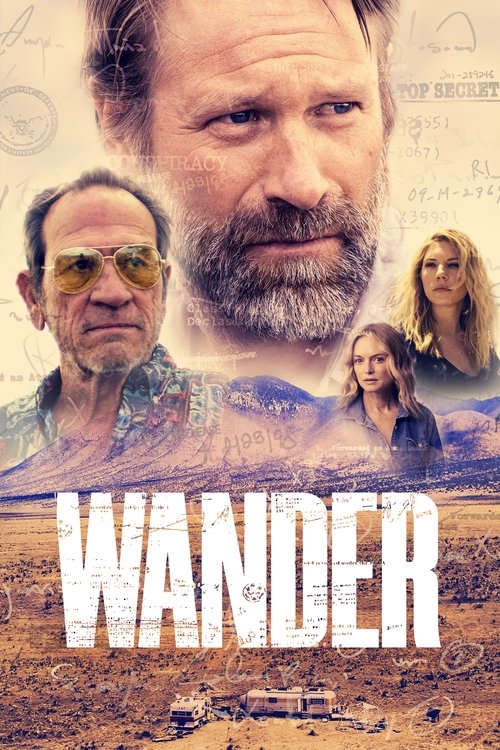
In the ending of "Wander," the protagonist, Arthur, uncovers the truth about his daughter's death and confronts the conspiracy surrounding it. He ultimately finds a sense of closure, but the journey leaves him deeply affected. The film concludes with Arthur taking a stand against the forces that have manipulated him, leading to a resolution that is both personal and unsettling.
As the final act unfolds, we find Arthur, played by Aaron Eckhart, in a state of heightened tension. He is piecing together the fragmented memories and clues that have haunted him since the death of his daughter. The scene opens with Arthur in a dimly lit motel room, surrounded by photographs and notes that he has meticulously arranged on the walls. His eyes dart around the room, filled with a mix of determination and desperation. He is driven by the need to uncover the truth, not just for himself, but for his daughter, who he believes deserves justice.
In the next scene, Arthur confronts the local authorities, particularly the sheriff, who has been a constant obstacle in his quest for answers. The sheriff, played by Katheryn Winnick, is portrayed as a figure of authority who is both dismissive and wary of Arthur's accusations. Their confrontation is charged with emotion, as Arthur's frustration boils over. He demands to know what really happened to his daughter, and the sheriff's evasive responses only fuel his anger. This moment highlights Arthur's internal struggle; he is a man grappling with grief and the need for resolution, yet he is met with resistance from those who should be helping him.
As the narrative progresses, Arthur's investigation leads him to a shocking revelation about a conspiracy involving powerful individuals who have manipulated events to cover up the truth. In a pivotal scene, he discovers a hidden connection between his daughter's death and a larger scheme that involves corruption and deceit. The tension escalates as Arthur realizes that he is not just fighting for his daughter's memory, but against a system that seeks to silence him. The visuals are stark, with dark shadows and close-ups of Arthur's anguished face, emphasizing his isolation in this battle.
In the climax, Arthur confronts the individuals behind the conspiracy. The scene is fraught with tension as he lays bare the evidence he has gathered, exposing their lies. The confrontation is intense, filled with emotional stakes as Arthur's voice trembles with a mix of anger and sorrow. He demands accountability, and for a moment, it seems as though justice might be within reach. However, the response from the conspirators is cold and calculated, revealing the lengths they will go to protect their interests.
The final moments of the film see Arthur standing alone, grappling with the weight of his discoveries. He has uncovered the truth, but it comes at a great personal cost. The emotional toll is evident on his face as he reflects on the loss of his daughter and the futility of his fight against a corrupt system. The camera lingers on his expression, capturing the blend of resolution and despair. In the closing scene, Arthur walks away from the confrontation, a solitary figure against the backdrop of a vast landscape, symbolizing both his journey and the ongoing struggle for truth and justice.
As the credits roll, the fate of the main characters is left somewhat ambiguous. Arthur is forever changed by his experiences, carrying the burden of his daughter's memory and the knowledge of the conspiracy. The sheriff remains entrenched in her role, a symbol of the systemic issues that persist. The film concludes with a haunting sense of unresolved tension, leaving the audience to ponder the implications of Arthur's journey and the broader themes of loss, justice, and the fight against corruption.
Is there a post-credit scene?
The movie "Wander," produced in 2020, does not have a post-credit scene. The film concludes its narrative without any additional scenes or content after the credits roll. The story wraps up with the resolution of the main plot, focusing on the protagonist's journey and the revelations that unfold throughout the film. As the credits begin, viewers are left to reflect on the themes of conspiracy, personal loss, and the quest for truth that permeate the story.
What role does the setting of the small town play in the story?
The small town setting is crucial to the film's atmosphere, creating a sense of claustrophobia and suspicion. Arthur's investigation leads him to various locations within the town, each revealing layers of secrecy and deception. The town's seemingly idyllic facade contrasts sharply with the dark truths Arthur uncovers, heightening the tension and sense of dread.
What motivates Arthur Bretnik to investigate the death of his daughter?
Arthur Bretnik, played by Aaron Eckhart, is driven by a deep sense of loss and guilt over his daughter's death. His emotional turmoil is compounded by his belief that there is a conspiracy surrounding her death, which he feels compelled to uncover. This personal tragedy fuels his obsession with finding the truth, leading him to question everything around him.
How does the character of Shelley interact with Arthur throughout the film?
Shelley, portrayed by Katheryn Winnick, serves as both a support and a source of tension for Arthur. Initially, she appears to be a loyal friend who helps him navigate his investigation. However, as the plot unfolds, her motivations become ambiguous, and Arthur begins to suspect that she may not have his best interests at heart, reflecting his growing paranoia and isolation.
How does Arthur's mental state affect his investigation?
Arthur's mental state is fragile, influenced by his grief and paranoia. As he delves deeper into the investigation, his grip on reality begins to wane, leading him to question the motives of those around him, including Shelley. His deteriorating mental health manifests in hallucinations and erratic behavior, complicating his quest for the truth and making it difficult for him to discern friend from foe.
What is the significance of the 'Wander' conspiracy in the plot?
The 'Wander' conspiracy serves as the central mystery that drives the narrative. It represents a web of deceit that Arthur believes is connected to his daughter's death. As he uncovers layers of this conspiracy, it becomes a metaphor for his struggle against the forces that seek to manipulate and control him, reflecting his internal battle with grief and the search for justice.
Is this family friendly?
"Wander," produced in 2020, is not considered family-friendly due to its mature themes and content. Here are some potentially objectionable or upsetting aspects that may affect children or sensitive viewers:
-
Violence: The film contains scenes of violence, including physical confrontations and threats, which may be distressing.
-
Death and Grief: Themes surrounding death, loss, and the emotional turmoil associated with these experiences are central to the narrative, potentially upsetting for younger audiences.
-
Mental Health Issues: The protagonist struggles with mental health challenges, including paranoia and delusions, which may be unsettling for some viewers.
-
Substance Use: There are references to substance use, which could be inappropriate for children and may raise concerns for sensitive viewers.
-
Dark Themes: The overall tone of the film is dark and suspenseful, dealing with conspiracy and betrayal, which may not be suitable for younger audiences.
These elements contribute to a narrative that is more appropriate for adult viewers rather than children.








