










































































Popular
What is the significance of the Red Room in Black Widow?
How does Natasha's relationship with her 'family' impact her character development?
What role does Taskmaster play in the story?
What motivates General Dreykov's actions in the film?
How does Yelena Belova's character contrast with Natasha Romanoff?
Should I watch it?
Ask Your Own Question

What is the plot?
Sorry, we aren't able to watch and write up a full detailed plot yet. Check back in a few days.









What is the ending?
At the end of the movie "Black Widow," Natasha Romanoff confronts her past and the Red Room, ultimately defeating Taskmaster and freeing the other Black Widows. She escapes to help her friends, but her journey leads her to a confrontation with her own past and the sacrifices she must make. The film concludes with Natasha on the run, setting the stage for her future in the Marvel Cinematic Universe.
In a more detailed narrative:
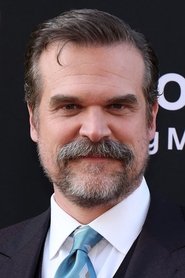
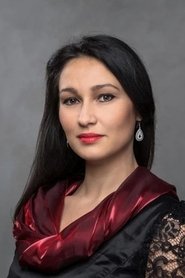
The climax of "Black Widow" unfolds in a remote Russian facility, where Natasha Romanoff, played by Scarlett Johansson, has finally tracked down the Red Room, the secretive program that trained her and many other assassins. The scene is tense, filled with the hum of machinery and the cold, sterile environment of the facility. Natasha, alongside her sister Yelena Belova, portrayed by Florence Pugh, and their surrogate family, Alexei Shostakovich (David Harbour) and Melina Vostokoff (Rachel Weisz), prepares to confront the mastermind behind the Red Room, Dreykov.
As they infiltrate the facility, the group splits up to execute their plan. Natasha's internal conflict is palpable; she is driven by a desire to dismantle the very system that exploited her and her sisters. The emotional weight of her past hangs heavily on her, as she reflects on the lives lost and the trauma endured.
In a pivotal moment, Natasha faces Taskmaster, a formidable opponent with the ability to mimic the fighting styles of others. The fight is brutal and visually striking, showcasing Natasha's agility and determination. Taskmaster, revealed to be the daughter of Dreykov, is a tragic figure, manipulated and controlled just like Natasha once was. The confrontation is not just physical; it symbolizes Natasha's struggle against her own past and the chains that bind her.
Meanwhile, Yelena confronts Dreykov, who is revealed to be the true villain orchestrating the Black Widow program. The tension escalates as Yelena uses her skills to fight against the guards and ultimately faces Dreykov. In a moment of triumph, she manages to free the other Widows from their mind control, showcasing the power of sisterhood and solidarity.
As the facility begins to self-destruct, the stakes rise. Natasha and Yelena work together to escape, their bond strengthening as they fight side by side. The emotional resonance of their relationship is highlighted as they share a moment of understanding and support, acknowledging their shared trauma and the journey they have undertaken together.
In the final moments, Natasha makes a sacrifice to ensure the safety of her family. She confronts Dreykov one last time, using her cunning to defeat him and destroy the Red Room once and for all. The explosion that follows is a visual spectacle, symbolizing the destruction of her past and the hope for a new beginning.
As the dust settles, Natasha is left standing amidst the ruins, a mix of relief and sorrow washing over her. She has freed the other Widows, but the cost of her freedom weighs heavily on her heart. The film concludes with Natasha on the run, setting the stage for her future adventures in the Marvel Cinematic Universe.
In the aftermath, Yelena is left to forge her own path, empowered by her newfound freedom. Alexei and Melina, having played their parts in the mission, are left to reflect on their own lives and choices. The film closes with Natasha looking towards the horizon, a symbol of her ongoing journey and the battles yet to come, encapsulating the themes of redemption, family, and the fight for one's identity.
Is there a post-credit scene?
Yes, there is a post-credit scene in the movie "Black Widow" (2021).
As the credits roll, the scene opens with a somber atmosphere, transitioning to a cemetery where Natasha Romanoff, also known as Black Widow, is buried. The camera pans over her grave, marked with a simple headstone. The scene then shifts to a woman, Yelena Belova, Natasha's sister figure, who approaches the grave. She is dressed in a black outfit, reflecting her mourning.
Yelena kneels at the grave, visibly emotional as she pays her respects to Natasha. The moment is heavy with grief, showcasing her internal struggle with the loss of her sister. As she stands up, she is approached by a woman named Contessa Valentina Allegra de Fontaine, who is played by Julia Louis-Dreyfus. Valentina is charismatic yet enigmatic, and she presents herself as a figure of authority.
Valentina reveals that she has a mission for Yelena, showing her a photo of Clint Barton, also known as Hawkeye. She implies that Yelena should seek revenge on him for Natasha's death, suggesting that he was involved in the events that led to her demise. Yelena's expression shifts from sorrow to determination, indicating her willingness to take on this new mission. The scene ends with a sense of foreboding, setting up potential future conflicts in the Marvel Cinematic Universe.
What is the significance of the Red Room in Black Widow?
The Red Room is a secret Soviet program that trains young girls to become elite assassins, known as Black Widows. It serves as the backdrop for Natasha Romanoff's traumatic past, where she was trained and conditioned to become a lethal weapon. The Red Room symbolizes the manipulation and control that Natasha and other women endured, and it becomes a central focus of the film as Natasha seeks to dismantle it and confront her past.
How does Natasha's relationship with her 'family' impact her character development?
Natasha's relationship with her 'family'--Yelena Belova, Alexei Shostakovich (Red Guardian), and Melina Vostokoff--plays a crucial role in her emotional journey. Initially, Natasha feels disconnected from them, viewing her past as a burden. However, as they reunite and confront their shared trauma, she begins to understand the importance of connection and forgiveness. This relationship helps her heal and ultimately empowers her to take a stand against the Red Room.
What role does Taskmaster play in the story?
Taskmaster is introduced as a formidable antagonist who possesses the ability to mimic the fighting styles of others, making them a significant threat to Natasha. Taskmaster's true identity is revealed to be Antonia Dreykov, the daughter of General Dreykov, the head of the Red Room. This revelation adds emotional depth to the character, as Natasha realizes that she is not just fighting a faceless enemy but someone who has suffered due to the same system that exploited her.
What motivates General Dreykov's actions in the film?
General Dreykov is driven by a desire for power and control, believing that the Black Widows are the ultimate weapon for his ambitions. He views the women as expendable tools rather than individuals, showcasing his ruthless nature. His motivations are rooted in a patriarchal mindset, as he seeks to maintain dominance over the Red Room and its operatives, which ultimately leads to his downfall when Natasha and her family confront him.
How does Yelena Belova's character contrast with Natasha Romanoff?
Yelena Belova serves as a foil to Natasha Romanoff, highlighting different aspects of their shared experiences as Black Widows. While Natasha has spent years grappling with her past and seeking redemption, Yelena is more straightforward and often expresses her anger and frustration about their upbringing. This contrast creates a dynamic relationship where Yelena's youthful perspective challenges Natasha's more seasoned outlook, ultimately leading to a deeper understanding and bond between the two.
Is this family friendly?
"Black Widow" (2021) is rated PG-13 and contains several elements that may be considered objectionable or upsetting for children or sensitive viewers. Here are some aspects to be aware of:
-
Violence and Action Sequences: The film features intense action scenes, including hand-to-hand combat, gunfights, and explosions. Characters are shown being injured or killed, which may be distressing.
-
Themes of Betrayal and Manipulation: The story delves into themes of betrayal, manipulation, and the emotional scars of past trauma, which may be heavy for younger audiences to process.
-
Emotional Trauma: Characters grapple with their pasts, including feelings of abandonment and loss. These emotional moments can be intense and may resonate deeply with sensitive viewers.
-
Mature Themes: The film touches on themes of human trafficking and exploitation, which are presented in a serious context and may be unsettling.
-
Language: There are instances of mild profanity throughout the film, which may not be suitable for younger audiences.
-
Dark Humor: Some scenes contain dark humor related to the characters' pasts and experiences, which may not be appropriate for all viewers.
Overall, while "Black Widow" offers a compelling narrative and strong character development, it contains elements that may be challenging for children or sensitive individuals. Viewer discretion is advised.









