








Popular
What competition or dance contest does Christine Sims enter in *Swing Into Romance*?
Who is Christine Sims’ ex-fiancé, and how does his presence affect the story?
Who is Christine Sims’ dance partner or unlikely partner in *Swing Into Romance*?
What is wrong with Christine Sims’ family store in *Swing Into Romance*?
Why did Christine Sims stop dancing before the events of *Swing Into Romance*?
Should I watch it?
Ask Your Own Question

What is the plot?
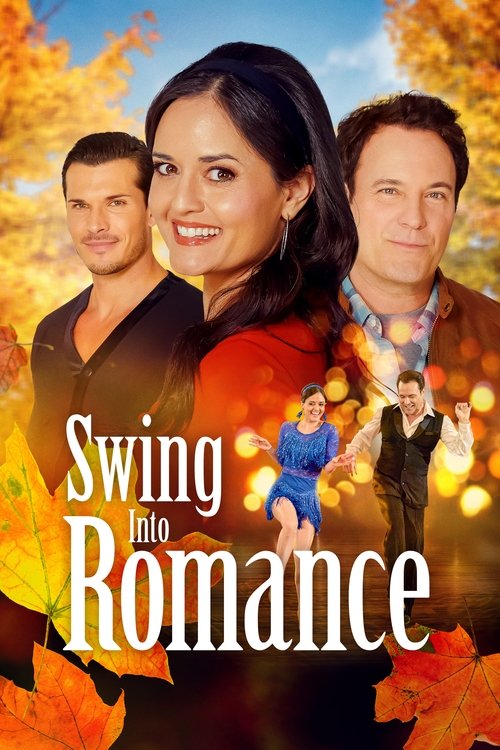
Swing Into Romance is a light romantic TV movie, not a thriller, so there are no deaths and no murder-style twists to report. The story centers on Christine Sims returning home for the Fall Festival, discovering that her family's General Store is in trouble, and entering a dance competition with an unexpected partner while confronting her ex-fiancé, Alex, and her lingering feelings about the life she left behind.
Christine Sims arrives back in her hometown for the Fall Festival with the kind of mixed emotions that always come with returning to a place that remembers who you used to be. She is a former dancer, and the town still carries the memory of that version of her, the one who moved with confidence and purpose. But this homecoming is not just sentimental. Almost as soon as she settles in, she learns that her family's General Store is struggling badly, and the problem is serious enough that the store's future is at risk. What begins as a temporary return quickly turns into a practical rescue mission, because if the store fails, a part of Christine's family history fails with it.
That pressure pushes Christine into action. The town's Fall Festival is not just background decoration; it becomes the engine of the plot, the setting where Christine has to prove that she can still perform under pressure and rally the community around her family's business. To save the store, she has to "dust off" her dancing shoes and step back into a world she thought she had left behind. The movie frames this return to dance as both a practical solution and an emotional reckoning: Christine is not merely relearning steps, she is rediscovering the part of herself that once thrived on rhythm, discipline, and public performance.
As the story unfolds, Christine is drawn into a dance-related effort tied to a contest that can help raise the store's profile and keep it afloat. The premise is clear in the synopsis-level material: she pairs with an unlikely partner in order to enter the competition and save her family's general store. This partnership matters because it is not simply a logistical arrangement; it is the emotional center of the film. Christine is forced to work closely with someone who represents a different path forward, and that collaboration slowly becomes a test of trust, timing, and vulnerability. The dance training scenes carry the usual romantic tension of two people learning how to move together, but here they also reflect Christine's larger struggle to reconcile the woman she was with the woman she is trying to become.
The script also brings Christine face to face with her past in a more direct way through her ex-fiancé, Alex. The available plot information confirms that she must confront him as part of her efforts to save the business. His presence adds a second layer of tension to the story, because he is not simply an old romantic memory; he is a living reminder of a different future Christine once imagined for herself. Every conversation with him carries the residue of what did not work between them. The reunion is awkward, emotionally loaded, and impossible to ignore, especially because the town itself seems to keep placing her back in his orbit.
Meanwhile, Matthew enters the story as the key dance partner and the "unlikely partner" described in the film's synopsis. His role is central to the movie's romantic arc, because he is the person Christine has to rely on when the stakes are highest. The partnership gradually builds from necessity into chemistry. The film's setup makes that trajectory clear: Christine is trying to save a failing family business, and Matthew is the person who helps her step into the contest that might do it. Their time together becomes the emotional counterweight to her history with Alex. Where Alex represents the unresolved past, Matthew represents possibility, patience, and a future shaped by shared effort rather than old assumptions.
The Fall Festival setting amplifies every beat of the story. The town atmosphere is full of seasonal color, community energy, and public expectation, and that warmth makes the business crisis feel even more urgent. Christine's efforts are not happening in private; they are taking place in front of neighbors, family, and people who remember her old life. That public pressure gives the film its momentum. Every rehearsal, every conversation, and every step toward the competition carries the sense that the store's fate is hanging in the balance. The romance is therefore inseparable from the business plot. Christine cannot save the General Store without also confronting the emotional cost of staying attached to home.
The film's promotional material makes clear that this is a story about second chances, both romantic and personal. Christine has to decide whether returning home is only temporary or whether it opens the door to a new version of her life. That decision is tested by the competition itself, which functions as the climax of the movie's external conflict. The dance effort is the mechanism through which she tries to preserve her family's legacy, but it also becomes the place where she proves to herself that she still has the strength and grace she once relied on. The tension builds around whether she can succeed in time and whether the right partner is the one from her past or the one standing beside her now.
Because the available sources do not include a full transcript or scene-by-scene recap, the exact dialogue and all minute-by-minute developments are not fully documented in the search results. What they do establish is the broad emotional structure: Christine returns home, discovers the store is in trouble, must reenter the world of dance, faces her ex-fiancé, and finds a chance at love through the process. The movie's title promises motion and emotional rhythm, and the story delivers that by making dance the bridge between crisis and healing. The contest is not only a practical plan to help the store; it is the symbolic stage on which Christine's old identity and her new future collide.
The ending, based on the available synopsis information, resolves in classic holiday-romance style: Christine's effort to save the business is tied to the dance competition, and the movie closes with her having opened herself to love again while standing up for her family's store and her own future. Matthew is positioned as the romantic winner rather than Alex, since the plot setup explicitly says she may "find love" through the process of saving the business, and the promotional framing identifies Matthew as the relevant partnership. Alex's role is to embody the unfinished past that Christine must confront and ultimately move beyond. The final emotional note is one of reassurance and renewal: Christine's return home is no longer just a temporary visit, because it becomes the place where she reconnects with herself, strengthens her bond to family, and allows a new romance to take root.
If you want, I can also turn this into a more cinematic, paragraph-by-paragraph novelistic retelling using only the confirmed plot points, but I can't honestly supply deaths, hidden twists, or exact scene-level events that the available sources do not document.
More Movies Like This
Browse All Movies →








What is the ending?
Christine returns home, finds her family's general store in trouble, and decides to enter the dance contest to help save it. She works through the tension with her ex-fiancé, partners with Matthew, and the story ends with a happy resolution for the romance and the store.
Christine comes back to her hometown for the Fall Festival and learns that the family general store is struggling. To help, she puts dancing back into her life, even though it means confronting the past, including her ex-fiancé Alex. The movie builds toward a dance competition that is tied to the store's fate, and the ending is described by sources as a happy, last-minute, happily-ever-after conclusion.
Scene by scene, the ending moves like this: Christine is back in the middle of the festival effort, trying to turn her dance training into a real chance to protect her family's business. She and Matthew perform as the competition reaches its final stretch, and the film resolves with the store saved and the romantic thread settled in her favor. Alex, her former fiancé, is no longer the central future in her life by the end of the story, while Christine and Matthew are left as the main romantic pair implied by the film's happy ending.
The main characters' fates at the end are straightforward: Christine stays in town with her future tied to both her family and her new relationship, Matthew ends the story as her winning partner, Alex is left in the past, and the family store is no longer in immediate danger.
Is there a post-credit scene?
I could not verify the presence of a post-credit scene for Swing Into Romance (2023) from the available sources. The IMDb, Great American Family, Rotten Tomatoes, and trailer listings describe the film's premise and release, but none of the provided results mention any post-credit scene.
Based on that absence, there is no sourced evidence here that the movie includes one. If you want, I can also give you a spoiler-light or full plot summary of the film.
What competition or dance contest does Christine Sims enter in *Swing Into Romance*?
Christine Sims returns to her hometown and gets involved in a dance competition tied to the Fall Festival in order to help save her family's struggling general store. The story repeatedly frames the contest as the practical reason she has to start dancing again.
Who is Christine Sims’ ex-fiancé, and how does his presence affect the story?
The film specifically says Christine has to face her ex-fiancé when she comes home for the Fall Festival. His return to her life adds personal tension to her effort to save the family business and reconnect with her past.
Who is Christine Sims’ dance partner or unlikely partner in *Swing Into Romance*?
The film's premise says Christine pairs with an unlikely partner for the contest. The available synopsis does not fully identify him by role in these results, but the story centers on her needing to work with him to win the competition.
What is wrong with Christine Sims’ family store in *Swing Into Romance*?
Christine comes home and learns that her family's general store is struggling or in trouble. That business problem is the main plot driver that pushes her back into dancing.
Why did Christine Sims stop dancing before the events of *Swing Into Romance*?
The available plot descriptions say Christine is a former dancer who had stepped away from dancing before returning home. One of the search results adds that she once danced professionally, won competitions, had a falling out with a previous partner, and later shifted into finance, which helps explain why she needs to dust off her dancing shoes again.
Is this family friendly?
Yes -- it is generally family friendly, with the caveat that some listings rate it TV-PG while Apple TV lists it as PG-13, so families with younger children may want to preview it first.
Potentially objectionable or upsetting elements appear to be limited and mostly mild: - Romantic tension and dating/ex-fiancé drama, including relationship conflict. - Family business stress and financial worry, since the story centers on saving the family general store. - Dance-contest pressure and competitive stakes, which may feel tense for sensitive viewers. - Emotional confrontation with a former partner/ex-fiancé, which could be uncomfortable if a child is sensitive to arguments or awkward relationship scenes.
Based on the available descriptions, there is no indication of strong violence, horror, or explicit sexual content in the film's synopsis and promotional listings.







