

























Popular
What is the significance of the quilt in the story?
How does Finn's relationship with her grandmother influence her decisions?
What role do the other women play in shaping Finn's perspective on love?
What challenges does Finn face in her relationship with Sam?
How does the character of Gladyce impact the quilting circle?
Should I watch it?
Ask Your Own Question

What is the plot?
Sorry, we aren't able to watch and write up a full detailed plot yet. Check back in a few days.





What is the ending?
In the ending of "How to Make an American Quilt," Finn, feeling uncertain about her future with her fiancé, decides to take a step back and reflect on her life and relationships. She ultimately chooses to embrace her independence and the wisdom shared by the women in her quilting circle. The film concludes with Finn finding clarity in her identity and her path forward, symbolized by her decision to create her own quilt, representing her journey and the stories of the women around her.
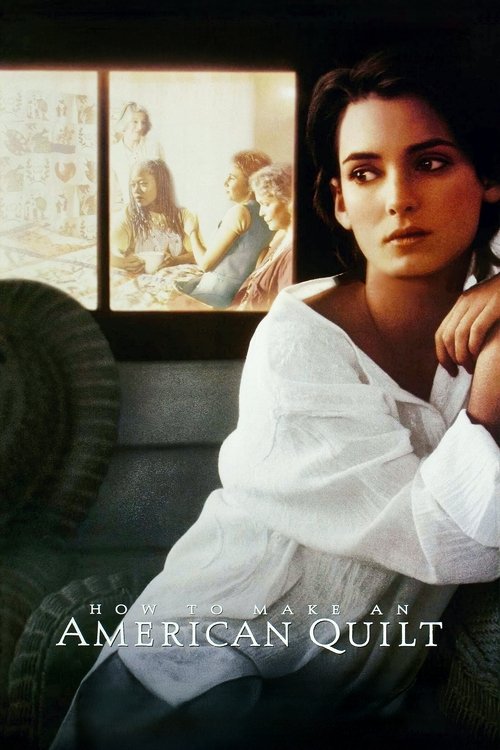
As the film approaches its conclusion, we find Finn, played by Winona Ryder, grappling with her feelings about her impending marriage to Sam. The quilt-making circle, a gathering of diverse women, serves as a backdrop for her internal conflict. Each woman shares her own story, revealing the complexities of love, loss, and the choices they have made throughout their lives.
In a pivotal scene, Finn sits with the older women, including the wise and nurturing figure of Glady, portrayed by Ellen Burstyn. They share their experiences, and Finn listens intently, absorbing their wisdom. The stories of the women resonate deeply with her, particularly the tales of love that did not follow a traditional path. This moment is crucial as it allows Finn to reflect on her own desires and fears about marriage and commitment.
As the quilt comes together, so does Finn's understanding of herself. She begins to realize that her identity should not solely be defined by her relationship with Sam. The quilt symbolizes the patchwork of experiences and emotions that make up a person's life. Each piece of fabric represents a story, much like the lives of the women in the circle.
In a climactic moment, Finn confronts Sam, expressing her doubts and fears about their future together. This confrontation is filled with raw emotion, as Finn articulates her need for independence and self-discovery. Sam, played by Jonathon Schaech, listens and ultimately respects her decision, understanding that love also means allowing someone to grow on their own.
The film culminates in a scene where Finn, now empowered by her journey, decides to create her own quilt. This act symbolizes her acceptance of her individuality and her commitment to embracing her own story. The final images show Finn stitching together the pieces of her quilt, a metaphor for her life and the choices she has made.
As the credits roll, we see glimpses of the other women in the quilting circle, each continuing their own journeys. Glady finds solace in her memories, while the other women reflect on their pasts with a sense of pride and resilience. The film closes on a note of hope and empowerment, emphasizing the importance of self-discovery and the strength found in community and shared experiences. Finn's journey is a testament to the idea that one can honor their relationships while also carving out their own path in life.
Is there a post-credit scene?
The movie "How to Make an American Quilt," produced in 1995, does not have a post-credit scene. The film concludes with the resolution of its central themes and character arcs, focusing on the protagonist, Finn, as she navigates her relationships and personal growth. The story wraps up with a sense of closure, emphasizing the importance of love, connection, and the legacy of the quilts that symbolize the stories and experiences of the women in Finn's life. After the credits roll, there are no additional scenes or content.
What is the significance of the quilt in the story?
The quilt serves as a central metaphor throughout the film, representing the interconnected lives and stories of the women who create it. Each patch of the quilt symbolizes a different woman's experiences, struggles, and triumphs, weaving together their individual narratives into a collective tapestry of shared wisdom and support.
How does Finn's relationship with her grandmother influence her decisions?
Finn's relationship with her grandmother, who is a skilled quilter, deeply influences her understanding of love, commitment, and the importance of family. As Finn navigates her own romantic uncertainties, her grandmother's stories and the lessons embedded in the quilt guide her in making choices about her future and her relationship with Sam.
What role do the other women play in shaping Finn's perspective on love?
The other women in the quilting circle, each with their own unique stories and experiences, provide Finn with diverse perspectives on love and relationships. Through their shared narratives, Finn learns about the complexities of love, the importance of vulnerability, and the necessity of making choices that honor one's own desires and needs.
What challenges does Finn face in her relationship with Sam?
Finn grapples with her commitment to Sam, feeling torn between her love for him and her fear of losing her independence. As she witnesses the stories of the other women, she confronts her own insecurities and the societal expectations surrounding marriage, ultimately leading her to question what she truly wants in her life.
How does the character of Gladyce impact the quilting circle?
Gladyce, as the matriarch of the quilting circle, plays a pivotal role in guiding the discussions and dynamics among the women. Her strong personality and wisdom often challenge the other women to confront their own truths, while also providing a sense of stability and tradition within the group. Her stories and experiences serve as a catalyst for the younger women, including Finn, to reflect on their own lives.
Is this family friendly?
"How to Make an American Quilt" is generally considered a drama that explores themes of love, relationships, and personal growth, which may not be suitable for very young children. Here are some potentially objectionable or upsetting aspects that could affect children or sensitive viewers:
-
Themes of Heartbreak and Loss: The film delves into complex emotional experiences, including heartbreak, infidelity, and the challenges of relationships, which may be difficult for younger audiences to understand.
-
Discussion of Death: There are conversations about loss and the impact of death on families, which could be upsetting for sensitive viewers.
-
Sexual Content: The film includes discussions and implications of sexual relationships, including infidelity, which may not be appropriate for younger viewers.
-
Emotional Turmoil: Characters experience significant emotional struggles, including feelings of inadequacy, loneliness, and existential crises, which may be heavy for children.
-
Family Conflicts: There are moments of tension and conflict within families that could be distressing for younger audiences.
Overall, while the film has valuable messages about love and community, its emotional depth and mature themes may make it more suitable for older teens and adults.








