

Popular
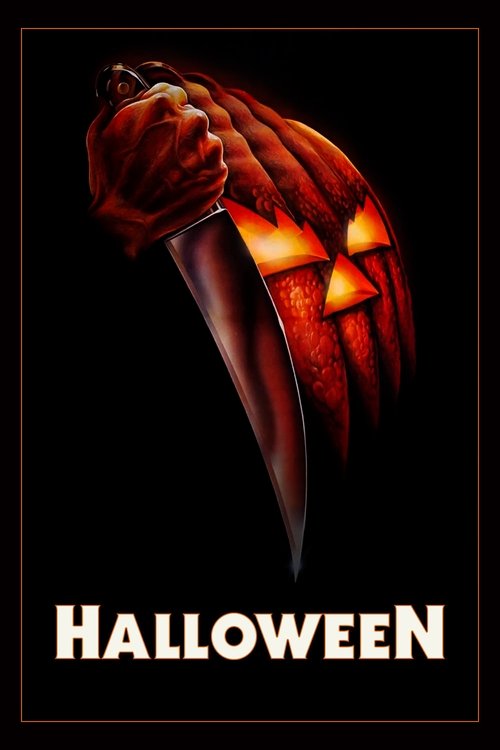
Who is Michael Myers and what motivates his actions in the film?
What is the significance of the mask that Michael Myers wears?
How does Laurie Strode's character develop throughout the film?
What role do Dr. Loomis and his insights play in the story?
What happens to Laurie's friends during the course of the film?
Should I watch it?
Ask Your Own Question

What is the plot?
Sorry, we aren't able to watch and write up a full detailed plot yet. Check back in a few days.
More Movies Like This
Browse All Movies →


What is the ending?
In the ending of the 1978 film "Halloween," Laurie Strode confronts Michael Myers in a final struggle for survival. After a tense series of events, she manages to stab him with a knitting needle and later with his own knife. However, he continues to rise, seemingly impervious to death. Dr. Loomis arrives just in time to confront Michael, ultimately shooting him multiple times, causing him to fall off a balcony. When Loomis looks over the edge, Michael has vanished, leaving his fate ambiguous.
Now, let's delve into the ending in a more detailed, chronological narrative.
As the night deepens, Laurie Strode, played by Jamie Lee Curtis, finds herself in a desperate fight for survival against the relentless Michael Myers. After narrowly escaping his grasp in the darkened house, she stumbles into a bedroom where she barricades herself, her heart racing with fear and adrenaline. The tension is palpable as she hears Michael's heavy breathing and the sound of his footsteps drawing closer.
In a moment of sheer instinct, Laurie grabs a knitting needle from a nearby table and, as Michael lunges at her, she plunges it into his neck. For a brief moment, it seems she has gained the upper hand, but Michael, embodying pure evil, merely stumbles back, unfazed by the injury. Laurie's eyes widen in horror as she realizes that this monster is not easily defeated.
Desperate and resourceful, Laurie manages to escape the house and runs into the street, crying for help. She encounters a neighbor, but the horror of the night has left her isolated and vulnerable. She returns to the house, where she finds herself cornered once again. In a frantic struggle, she grabs Michael's own knife and stabs him, hoping to finally end the nightmare. Yet, he rises once more, his expression blank and unyielding, embodying the terror that has haunted her throughout the night.
Just as it seems all hope is lost, Dr. Sam Loomis, portrayed by Donald Pleasence, arrives on the scene. He has been searching for Michael, understanding the danger he poses. Loomis confronts Michael, and in a climactic moment, he pulls out his gun and fires multiple shots at him. Michael is hit and falls off the balcony, landing on the ground below. For a moment, there is silence, and Laurie watches in disbelief, her breath heavy with exhaustion and fear.
Loomis approaches the edge of the balcony, peering down to confirm Michael's fate. However, when he looks over, Michael has vanished, leaving only the darkness of the night and the echo of his presence. The film closes with Laurie, shaken and traumatized, being comforted by Loomis, who understands the horror they have just faced. The camera pans out, revealing the quiet suburban neighborhood, now forever marked by the events of that fateful night, as the haunting theme music plays, suggesting that the terror is far from over.
In this final sequence, Laurie Strode emerges as a survivor, but the emotional toll of the night is evident in her eyes. Dr. Loomis, having confronted the embodiment of evil, is left with the unsettling knowledge that Michael Myers is still out there, a reminder that true horror can never be fully vanquished. The fate of Michael remains ambiguous, leaving the audience with a chilling sense of uncertainty and dread.
Who dies?
In the 1978 film "Halloween," several characters meet their demise at the hands of the masked killer, Michael Myers. Below is a detailed account of the characters who die, the circumstances surrounding their deaths, and the emotional context of these moments.
- Judith Myers:
- When: The film opens with her death, which occurs on Halloween night in 1963.
-
How: Judith is killed by her younger brother, Michael Myers, when he is just six years old. After a seemingly normal evening, Michael, wearing a clown costume, stabs Judith to death with a knife in a frenzied attack. The scene is chillingly depicted from Michael's perspective, showcasing his disconnection from the horror of his actions. The emotional weight of this moment is profound, as it sets the stage for Michael's transformation into a remorseless killer.
-
Bob Simms:
- When: Bob's death occurs later in the film, after he has spent the night with Linda.
-
How: After a brief sexual encounter, Bob goes to the kitchen for a drink. He is ambushed by Michael, who has been stalking the group. Michael kills Bob by lifting him off the ground and impaling him on a wall with a knife, leaving him hanging in a grotesque display. This moment is significant as it highlights Michael's brutal efficiency and the terror he instills in his victims.
-
Linda Vanderklok:
- When: Linda's death follows shortly after Bob's.
-
How: After Bob is killed, Linda, unaware of the danger, calls out for him. When she goes to investigate, she is confronted by Michael. He strangles her and then stabs her, delivering a fatal blow. Linda's death is marked by her initial nonchalance and eventual realization of the horror she faces, which amplifies the emotional impact of her demise.
-
Annie Brackett:
- When: Annie's death occurs earlier in the night, shortly after she has been babysitting.
-
How: After dropping off her charge, she returns to her father's house, where she is attacked by Michael. He kills her in the car, slitting her throat. This moment is particularly harrowing as Annie is portrayed as a relatable character, and her death serves to heighten the sense of dread and vulnerability that permeates the film.
-
Dr. Sam Loomis:
-
When: Loomis does not die in this film, but his character is crucial in understanding Michael's motivations and the threat he poses. However, he is involved in a climactic confrontation with Michael towards the end of the film, where he attempts to stop him.
-
Laurie Strode:
- When: Laurie does not die in this film, but she faces multiple life-threatening encounters with Michael throughout the night.
- How: As the final girl, Laurie fights for her survival, showcasing her resilience and determination. Her emotional state fluctuates between fear and courage as she confronts the reality of Michael's relentless pursuit.
The deaths in "Halloween" are not just plot points; they serve to build tension and illustrate the pervasive sense of fear that Michael Myers embodies. Each character's demise is crafted to evoke a visceral reaction, emphasizing the horror of the situation and the emotional stakes for the surviving characters, particularly Laurie Strode.
Is there a post-credit scene?
The movie "Halloween," produced in 1978, does not have a post-credit scene. The film concludes with a tense and chilling climax, followed by a series of haunting images that linger in the viewer's mind. After the final confrontation between Laurie Strode and Michael Myers, the film ends with a shot of Michael's empty bedroom, emphasizing his elusive nature and the terror he represents. The absence of a post-credit scene maintains the film's suspense and leaves the audience with a sense of dread, as the haunting music plays and the screen fades to black.
Who is Michael Myers and what motivates his actions in the film?
Michael Myers is a masked serial killer who, as a child, murdered his sister Judith on Halloween night. After spending 15 years in a mental institution, he escapes and returns to his hometown of Haddonfield. His primary motivation appears to be a compulsion to kill, particularly targeting teenagers, which he does with a cold, emotionless demeanor.
What is the significance of the mask that Michael Myers wears?
The mask worn by Michael Myers is a key element of his character. It is a white, expressionless face that strips away his identity, making him a faceless embodiment of evil. The mask enhances his terrifying presence and creates a sense of anonymity, allowing him to blend into the shadows and strike fear into his victims.
How does Laurie Strode's character develop throughout the film?
Laurie Strode begins as a typical high school student, portrayed as responsible and somewhat introverted. As the film progresses, she transforms into a resourceful and resilient survivor. When faced with the threat of Michael Myers, her instincts kick in, and she fights to protect herself and her friends, showcasing her bravery and determination.
What role do Dr. Loomis and his insights play in the story?
Dr. Sam Loomis is Michael Myers' psychiatrist, who understands the depth of Michael's psychosis. He is deeply concerned about Michael's escape and believes he is a danger to society. Loomis' insights provide a psychological perspective on Michael's character, emphasizing the urgency of stopping him and foreshadowing the chaos that ensues in Haddonfield.
What happens to Laurie's friends during the course of the film?
Laurie's friends, including Annie and Linda, fall victim to Michael Myers as he stalks them one by one. Annie is killed in her car after a brief encounter with Michael, while Linda is murdered shortly after a sexual encounter with her boyfriend Bob. Their deaths serve to heighten the tension and illustrate the consequences of their actions, contrasting with Laurie's more cautious behavior.
Is this family friendly?
The movie "Halloween," produced in 1978, is not considered family-friendly due to its intense themes and graphic content. Here are some potentially objectionable or upsetting aspects that may affect children or sensitive viewers:
-
Violence and Gore: The film contains several scenes of brutal violence, including stabbings and murders, which are depicted in a graphic manner.
-
Suspense and Tension: The atmosphere is filled with suspense and dread, which can be frightening for younger audiences. The use of music and sound effects heightens this tension.
-
Psychological Horror: The character of Michael Myers embodies a relentless and emotionless killer, which can be disturbing and evoke fear.
-
Death of Characters: Several characters, including teenagers, are killed throughout the film, which may be upsetting for viewers sensitive to themes of death and loss.
-
Themes of Stalking and Terror: The film explores themes of stalking and the feeling of being hunted, which can be anxiety-inducing.
-
Sexual Content: There are scenes that involve sexual situations, which may not be appropriate for younger viewers.
These elements contribute to the film's reputation as a classic horror movie, but they also make it unsuitable for children or those who are sensitive to horror and violence.








