




























Popular
What motivates Jensen Ames to participate in the Death Race?
How does the character of Frankenstein play a role in the Death Race?
What is the significance of the character Case in the story?
How does the prison warden, Hennessey, manipulate the Death Race for her own gain?
What role does the character of Gunner play in the Death Race?
Should I watch it?
Ask Your Own Question

What is the plot?
Sorry, we aren't able to watch and write up a full detailed plot yet. Check back in a few days.


What is the ending?
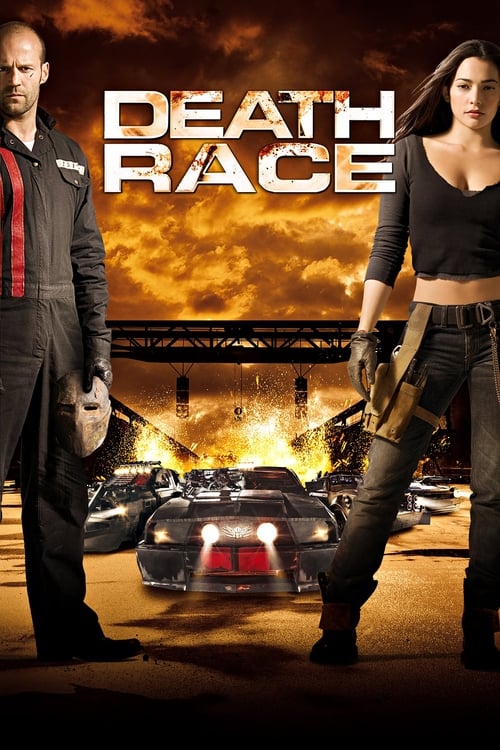
In the ending of "Death Race," Jensen Ames, having successfully completed the final race, is revealed to be the new champion. However, he learns that the prison warden, Hennessey, has manipulated the situation to maintain control over the race and its participants. In a climactic confrontation, Jensen kills Hennessey, and he ultimately escapes the prison with the help of his allies. The film concludes with Jensen driving away, leaving behind the brutal world of the Death Race.
Now, let's delve into the ending in a more detailed, chronological narrative.
As the final race begins, the atmosphere is charged with tension. Jensen Ames, portrayed by Jason Statham, is behind the wheel of his heavily modified car, the "Death Race" vehicle, ready to face off against his opponents. The race is not just a test of speed but a brutal battle for survival, with armed guards and explosive traps set to eliminate racers. The stakes are high, and the adrenaline is palpable as the racers speed through the treacherous course.
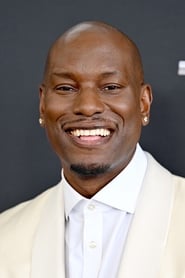
During the race, Jensen's internal conflict is evident. He is driven not only by the desire to win but also by the need to protect his fellow racers, particularly his ally, Machine Gun Joe, played by Tyrese Gibson. As they navigate the chaos, Jensen's determination to escape the prison and reclaim his life becomes increasingly clear. The race is filled with intense moments, including high-speed chases, explosive confrontations, and the ever-present threat of death looming over each racer.
As the race reaches its climax, Jensen manages to outmaneuver his opponents, showcasing his skills and instincts. However, the true danger lies not just in the race itself but in the machinations of the prison warden, Hennessey, played by Joan Allen. Hennessey has been orchestrating events from behind the scenes, ensuring that the race serves her interests and maintains her control over the prison and its inmates.
In a pivotal moment, Jensen confronts Hennessey after the race. The tension between them escalates as she reveals her true intentions, showing that she has no intention of letting him escape or allowing the race to end. In a desperate act of defiance, Jensen kills Hennessey, symbolizing his break from the oppressive system that has held him captive. This act of rebellion is not just about survival; it represents his reclaiming of agency and autonomy in a world designed to strip him of both.
With Hennessey dead, the remaining racers, including Machine Gun Joe, rally around Jensen. They realize that they have the opportunity to escape the confines of the prison and the brutal race that has defined their lives. The camaraderie among the racers is palpable as they band together, united by their shared desire for freedom.
As they make their escape, the guards and prison security are in disarray, unable to respond effectively to the chaos that ensues. Jensen and his allies navigate through the prison, showcasing their resourcefulness and determination. The emotional weight of their journey is evident as they fight not just for their lives but for a chance at redemption and a future outside the prison walls.
The film concludes with Jensen driving away from the prison, a sense of liberation washing over him. He has not only survived the Death Race but has also triumphed over the oppressive forces that sought to control him. The final shot captures Jensen's resolve as he speeds into the unknown, leaving behind the brutality of the Death Race and the prison that sought to define him.
In summary, the fates of the main characters are as follows: Jensen Ames emerges as the new champion, having killed Hennessey and escaped the prison. Machine Gun Joe, who has formed a bond with Jensen, also escapes, symbolizing a new beginning for both characters. The other racers, who have fought alongside Jensen, find a sense of hope in their shared escape, marking a significant shift from their previous lives as mere pawns in a deadly game. The ending encapsulates themes of rebellion, survival, and the quest for freedom in a world that seeks to control and dehumanize.
Is there a post-credit scene?
The movie "Death Race" produced in 2008 does not have a post-credit scene. After the credits roll, there are no additional scenes or content that follow the main storyline. The film concludes with the resolution of the plot, focusing on the fate of the main characters and the outcome of the deadly race.
What motivates Jensen Ames to participate in the Death Race?
Jensen Ames, played by Jason Statham, is driven by desperation and a desire to clear his name after being wrongfully imprisoned for the murder of his wife. He learns that the only way to survive and potentially escape the brutal prison system is to participate in the deadly Death Race, where he hopes to win his freedom.
How does the character of Frankenstein play a role in the Death Race?
Frankenstein, portrayed by a mysterious figure, is a legendary racer who has become a symbol of hope and rebellion within the prison. Initially, Jensen Ames is manipulated into taking on the identity of Frankenstein, which adds layers of complexity as he struggles with the expectations of the persona while trying to maintain his own identity and ultimately seek revenge for his wife's death.
What is the significance of the character Case in the story?
Case, played by Tyrese Gibson, is a fellow inmate and mechanic who becomes an ally to Jensen Ames. His character represents loyalty and camaraderie in the harsh environment of the prison. He helps Ames navigate the treacherous world of the Death Race, providing both technical support for the car and emotional backing as they face the dangers of the race together.
How does the prison warden, Hennessey, manipulate the Death Race for her own gain?
Warden Hennessey, portrayed by Joan Allen, orchestrates the Death Race as a means to profit from the spectacle of violence and entertainment. She manipulates the racers, including Jensen Ames, by controlling the race's outcomes and using the media to enhance her own power and influence, showcasing her ruthless nature and the corrupt system within the prison.
What role does the character of Gunner play in the Death Race?
Gunner, played by Ian McShane, is a key figure in the Death Race, serving as a ruthless and cunning competitor. His character embodies the cutthroat nature of the race, as he is willing to do whatever it takes to win, including sabotaging other racers. His interactions with Jensen Ames highlight the intense rivalries and moral dilemmas faced by the characters in the high-stakes environment.
Is this family friendly?
"Death Race," produced in 2008, is not considered family-friendly due to its intense and violent content. Here are some potentially objectionable or upsetting aspects that may affect children or sensitive viewers:
-
Graphic Violence: The film features numerous scenes of car crashes, explosions, and violent confrontations, often resulting in injury or death.
-
Death and Mayhem: The central premise revolves around a deadly race where participants are killed, and the atmosphere is filled with a sense of danger and brutality.
-
Strong Language: The dialogue includes frequent use of profanity and harsh language, which may not be suitable for younger audiences.
-
Mature Themes: The film explores themes of survival, betrayal, and moral ambiguity, which may be difficult for children to understand or process.
-
Prison Environment: The setting is a high-security prison, showcasing a harsh and oppressive atmosphere, including depictions of inmates in violent situations.
-
Sexual Content: There are suggestive themes and some scenes that imply sexual situations, which may be inappropriate for younger viewers.
Overall, the film's tone, themes, and content are geared towards an adult audience, making it unsuitable for children or those sensitive to violence and mature themes.






