

















































Popular
What challenges does Katherine Johnson face when she first joins the Space Task Group?
How does Mary Jackson fight for her right to become an engineer?
What role does Dorothy Vaughan play in the transition to computer programming at NASA?
How does Al Harrison support Katherine Johnson in her work?
What is the significance of the friendship between Katherine, Mary, and Dorothy?
Should I watch it?
Ask Your Own Question

What is the plot?
Sorry, we aren't able to watch and write up a full detailed plot yet. Check back in a few days.








What is the ending?
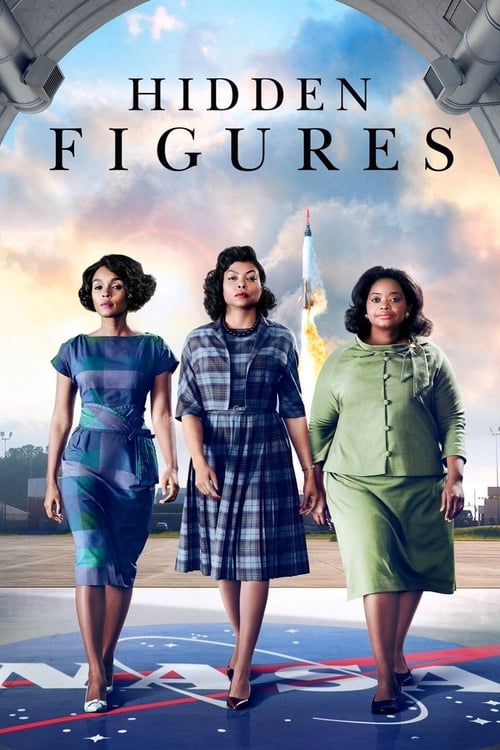
At the end of "Hidden Figures," Katherine Johnson successfully calculates the trajectory for John Glenn's historic orbital flight, leading to a successful mission. The film concludes with a celebration of the contributions of Katherine, Dorothy Vaughan, and Mary Jackson, highlighting their achievements and the breaking of racial and gender barriers at NASA.
As the climax of "Hidden Figures" unfolds, we find ourselves in the high-stakes environment of NASA's control room on February 20, 1962. The atmosphere is charged with anticipation as John Glenn prepares for his mission, a pivotal moment in the space race. Katherine Johnson, having worked tirelessly on the calculations for Glenn's flight, is called upon to verify the numbers one last time. The tension is palpable as she stands before her colleagues, who have finally come to recognize her brilliance and the importance of her work.
In a pivotal scene, Glenn, who has developed a rapport with Katherine, requests that she personally verify the calculations. This moment is significant, as it symbolizes not only his trust in her abilities but also the breaking down of racial barriers within the organization. Katherine, filled with a mix of pride and anxiety, steps up to the challenge, knowing that the success of the mission rests on her shoulders.
As the countdown begins, the camera cuts between the control room and the launch pad, showcasing the intense focus of the engineers and the astronauts. Katherine's heart races as she hears the countdown echoing in her ears. The moment of liftoff is exhilarating, and the entire team watches with bated breath as Glenn's spacecraft, Friendship 7, ascends into the sky.
During the flight, complications arise when the spacecraft begins to experience issues with its heat shield. Glenn's safety hangs in the balance, and the control room is filled with tension. Katherine, drawing on her expertise, provides critical calculations that help the team navigate the crisis. Her contributions are vital, and the audience can feel the weight of her responsibility as she works to ensure Glenn's safe return.
As the mission concludes successfully, with Glenn completing three orbits around the Earth and returning safely, the control room erupts in celebration. The joy is palpable, and Katherine, Dorothy Vaughan, and Mary Jackson share in the triumph, their hard work and perseverance finally recognized. The film highlights their camaraderie and the strength of their friendship, which has been a source of support throughout their struggles.
In the final scenes, we see Katherine receiving a promotion and recognition for her contributions, a moment that signifies her hard-earned respect in a male-dominated field. Dorothy Vaughan is acknowledged for her leadership and is promoted to a supervisory position, reflecting her dedication and foresight in learning computer programming. Mary Jackson, inspired by her friends' successes, takes steps to pursue her dream of becoming an engineer, symbolizing the ongoing fight for equality and opportunity.
The film closes with a montage that showcases the real-life achievements of these remarkable women, underscoring the impact they had on NASA and the broader civil rights movement. The final images serve as a powerful reminder of their legacy, celebrating not only their individual accomplishments but also the collective progress made in breaking down barriers for future generations.
Is there a post-credit scene?
The movie "Hidden Figures" does not have a post-credit scene. The film concludes with a powerful and emotional ending that highlights the achievements of the main characters--Katherine Johnson, Dorothy Vaughan, and Mary Jackson--after their significant contributions to NASA during the early years of the space race. The final moments celebrate their accomplishments and the impact they had on the field of mathematics and aerospace engineering, leaving the audience with a sense of closure and inspiration. The credits roll without any additional scenes following them.
What challenges does Katherine Johnson face when she first joins the Space Task Group?
When Katherine Johnson first joins the Space Task Group at NASA, she faces significant challenges, including racial segregation and gender discrimination. She is the only African American woman in the group, and her intelligence and capabilities are often overlooked. Katherine struggles with the lack of respect from her male colleagues, particularly from her supervisor, Al Harrison, who initially does not recognize her potential. She also has to navigate the segregated facilities, where she is forced to walk long distances to use the 'colored' restroom, highlighting the systemic racism of the time.
How does Mary Jackson fight for her right to become an engineer?
Mary Jackson is determined to become an engineer, but she faces barriers due to her race and gender. After learning that she needs to take additional courses to qualify for an engineering position, she discovers that the classes are offered at an all-white school. Undeterred, Mary petitions the court to allow her to attend the classes, arguing that she deserves the same educational opportunities as her white counterparts. Her passionate plea showcases her resilience and determination to break through the barriers imposed by society.
What role does Dorothy Vaughan play in the transition to computer programming at NASA?
Dorothy Vaughan is a skilled mathematician and a natural leader who recognizes the shift towards computer programming at NASA. When the agency begins to transition from human calculations to electronic computers, Dorothy takes the initiative to learn about the new technology. She teaches herself and her team how to program the IBM computer, ensuring that they remain relevant in the changing work environment. Her foresight and leadership not only secure her position but also empower her colleagues to adapt to the new era of technology.
How does Al Harrison support Katherine Johnson in her work?
Al Harrison, the head of the Space Task Group, becomes a crucial ally for Katherine Johnson. He recognizes her exceptional mathematical skills and begins to advocate for her within the team. One pivotal moment occurs when he removes the 'colored' restroom sign, allowing Katherine to use the facilities without the stigma of segregation. This act of defiance against the discriminatory practices of the time demonstrates his support and respect for her contributions, fostering a more inclusive work environment.
What is the significance of the friendship between Katherine, Mary, and Dorothy?
The friendship between Katherine, Mary, and Dorothy is central to the narrative of 'Hidden Figures.' Their bond is built on mutual support and shared experiences as they navigate the challenges of being African American women in a predominantly white male workplace. They encourage each other to pursue their dreams, celebrate each other's successes, and provide emotional support during difficult times. Their camaraderie highlights the importance of solidarity and resilience in the face of adversity, showcasing how their collective strength helps them overcome obstacles.
Is this family friendly?
"Hidden Figures" is generally considered family-friendly, but it does contain some scenes and themes that may be challenging for younger viewers or sensitive individuals. Here are a few potentially objectionable or upsetting aspects:
-
Racial Discrimination: The film portrays the harsh realities of racial segregation in the 1960s, including scenes where characters face discrimination and prejudice. This may be upsetting for children who are not familiar with these historical contexts.
-
Verbal Abuse: There are instances of characters experiencing derogatory comments and insults based on their race and gender, which may be distressing to some viewers.
-
Emotional Struggles: The main characters face significant personal and professional challenges, including feelings of isolation and frustration due to systemic barriers. These emotional struggles may resonate deeply and evoke empathy, but could also be heavy for younger audiences.
-
Workplace Tension: The film depicts the challenges of working in a male-dominated environment, including moments of tension and conflict that arise from gender and racial biases.
-
Historical Context: The backdrop of the Civil Rights Movement and the struggles for equality may introduce complex themes that require some understanding of history, which might be difficult for younger viewers to fully grasp.
Overall, while the film carries a powerful message of resilience and triumph, parents may want to consider these elements when deciding if it is suitable for their children.







