















































Popular
What motivates Carroll Shelby to take on the challenge of building a race car for Ford?
How does Ken Miles' relationship with his family influence his decisions throughout the film?
What role does the rivalry between Ford and Ferrari play in the development of the race car?
How does the character of Leo Beebe impact the dynamics of the Ford racing team?
What are the key moments that showcase Ken Miles' driving skills during the races?
Should I watch it?
Ask Your Own Question

What is the plot?
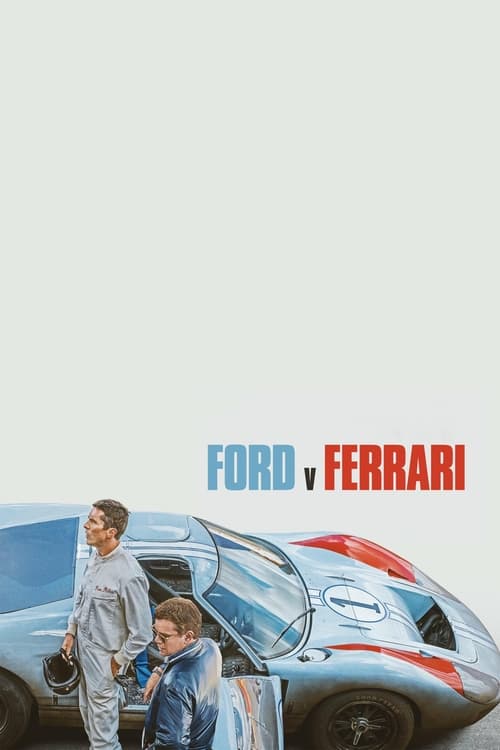
The film begins in the early 1960s at Ford headquarters in Detroit, where Ford Motor Company is struggling with a stale image, weak youth appeal, and the humiliation of being seen as bland compared with the glamour of European racing. Lee Iacocca, ambitious and sharp in a suit that seems too confident for the room, pitches Henry Ford II on a radical idea: if Ford cannot outstyle the competition, it can buy prestige outright by purchasing Ferrari. Henry Ford II, tense and guarded, likes the audacity of the plan enough to approve it, and the story moves toward Italy with the confidence of a corporate conquest.
The trip to Ferrari's offices becomes the first major humiliation of the film. Iacocca and Ford's delegation arrive expecting a clean business acquisition, but Enzo Ferrari turns the meeting into a blade fight of pride and insult. Ferrari is proud, cold, and openly contemptuous; he treats the American offer as an intrusion and uses Ford's money as leverage while making it clear that Ford does not understand racing. When the deal collapses, Ferrari effectively chooses Fiat over Ford and, in the process, shames the American company. The rejection lands like a personal slap, and Henry Ford II, already carrying the weight of his grandfather's legacy and the pressure of modern industry, takes the insult as a declaration of war. From this moment, the story stops being about buying a name and becomes about beating Ferrari on the track.
Henry Ford II orders a response not in boardrooms but in racing. The company shifts from acquisition to vengeance, committing to a motorsport program that will prove Ford can do what Ferrari does better. That mandate leads to Carroll Shelby, a former Le Mans winner, designer, and racer whose calm Texas drawl hides a fierce competitive intelligence. Shelby is not a corporate man; he is a builder, a tactician, and someone who understands that speed is a feeling before it is a number. He is hired to lead Ford's assault on racing glory, and he quickly realizes that to defeat Ferrari, he needs more than funding. He needs a driver who can feel the car at its edge and push it beyond safety, comfort, and respectability.
That driver is Ken Miles. Miles is introduced as brilliant, abrasive, and impossible to package. He is a British mechanic and racer with a fierce temper, a low tolerance for stupidity, and a gift for knowing exactly what a race car is doing before anyone else does. Shelby brings him into the project because Miles can test a machine at the limits and tell the truth about what it needs. The partnership is immediate in theory and difficult in practice. Shelby is the diplomat; Miles is the detonator. Together, they form the heart of the film: one man shapes the car, the other teaches it to survive.
Ford's executives, however, do not want a truth-teller in the driver's seat. They want control, polish, and a face that looks safe in press photographs. Miles is too emotional, too sarcastic, too independent, and too obviously unwilling to fake admiration for corporate nonsense. The film repeatedly returns to this tension: Ford wants a weapon, but it also wants a symbol, and Miles is a weapon that refuses to pose. Shelby spends much of the story fighting the company's instinct to manage appearances instead of performance. He knows that the car, the Ford GT40, will not become a winner through committees or slogans. It will win by breaking, being rebuilt, and then being driven harder.
The early testing sequences are tense, mechanical, and full of danger. Shelby and Miles work like craftsmen trapped inside a war with physics. Miles hammers the GT40 around tracks, finding its flaws by forcing them into the open at high speed. The car shakes, stutters, overheats, and threatens to fail, and every failure becomes a lesson. Shelby listens to Miles' blunt feedback and adjusts the machine accordingly, while Ford executives hover with suspicion, worried less about lap times than about whether Miles can be controlled. The garage and test track become a battlefield of grease, sweat, and pride. The narrative grows more urgent each time a prototype falters, because every flaw represents not just engineering trouble but Ford's larger fear of embarrassment.
The film's momentum also depends on the domestic strain around Miles. His wife, Mollie Miles, sees the danger more clearly than anyone else. She understands that racing is not merely his job but the thing that consumes him, and she lives with the knowledge that speed is both his gift and his punishment. Their scenes are smaller than the race-track drama, but they matter because they remind the story that every test lap has a human cost. Mollie's concern becomes tragically prophetic later in the film.
As the GT40 development continues, the conflict between raw talent and corporate image grows sharper. Ford managers repeatedly try to interfere, trying to tame Miles or replace him with someone more presentable. Shelby pushes back again and again. The tension culminates in the realization that a race car cannot be built by committee. Miles, with all his rough edges, is indispensable precisely because he can communicate with the machine at speed. His success is measured not in charm but in results. The car improves because he is willing to scare it into competence.
The film's racing middle section builds toward bigger stages and more public stakes. Ford's ambition is not merely to enter races; it is to destroy Ferrari's dominance in the most prestigious endurance race in the world: the 24 Hours of Le Mans in France, in 1966. Every earlier contest feels like a rehearsal for that final trial. The goal becomes larger and more symbolic with each passing scene, and the mood hardens into one of obsession. Ford is no longer trying to survive embarrassment; it is trying to rewrite history.
When the Le Mans campaign arrives, the film's sense of scale expands dramatically. The French circuit is presented as a place where reputation, endurance, engineering, and human will all collide under brutal timing. The race is not just fast; it is punishing, stretching over hours and hours of night, fatigue, and mechanical strain. The Ford team arrives as underdogs with a point to prove, while Ferrari carries the aura of the established master. Shelby and Miles know that the track is where all the theory and all the argument finally become real.
At Le Mans, Miles drives with astonishing precision and aggression. His laps are not simply fast; they are fearless, and the film makes every turn feel like it is being carved out of danger. The car finally seems to become the thing it was meant to be, and for a time it feels as if the entire Ford project is converging on victory. The tension is not only whether Ford can win, but whether the company will let the people who made the win possible actually receive it. That question hangs over every lap.
The race becomes one of the film's great emotional engines. Ford's cars dominate, and the narrative begins to assemble the conditions for a sweeping triumph. The mechanics, the strategy, the endurance, and the relentless pressure all seem to have led to this one point. Miles is ahead, Shelby is watching, and the corporation is on the verge of getting exactly what it asked for. Yet even here, the danger is not over. The most painful conflict in the film is not between Ford and Ferrari anymore; it is between achievement and ownership. Who gets to define victory? The man who drives it, or the executives who decide how it looks?
The answer comes in the film's cruelest twist. Ford engineers and executives intervene with a staged photo-finish decision that forces the three Ford cars to cross together, rather than allowing Ken Miles to claim an unambiguous individual triumph. Miles is told, in effect, to slow down so the company can present a cleaner image of unity and dominance. The moment is both absurd and devastating. On the track, he has driven brilliantly and earned the win. In the record book, however, corporate optics rewrite the outcome. The race ends with Ford taking the larger victory, but Miles is denied the personal credit that should have been his. The film does not soften this betrayal. It lets the indignity stand in full view.
That finish is the central emotional reversal of the story. Ford defeats Ferrari, but the man most responsible for that victory is robbed of the celebration he deserves. Shelby is left with the bitter knowledge that the system he helped win for has once again chosen image over truth. Miles stands amid the aftermath of the race with the expression of someone who has won something and lost something at the same time. The victory is real, but it is contaminated. The film lingers on that contradiction, making the triumph feel haunted rather than clean.
The ending deepens the tragedy after Le Mans rather than resolving it neatly. Two months later, while testing the Ford J-car at Riverside International Raceway, Ken Miles is killed in a crash. The film presents his death as the final, brutal cost of the life he has chosen: speed, experimentation, and the constant risk of mechanical failure. During the test, the car suffers a catastrophic problem, and Miles is thrown into a fatal accident. His death is not caused by a villain in the ordinary sense; it is caused by the dangerous machinery he helps develop, the brutal limits of racing, and the persistent instability of the vehicles he is always trying to improve. The scene lands like a sentence passed by the same world that made him extraordinary.
The loss is devastating because it arrives just after the one achievement that should have secured his legacy. Instead of ending on the glory of victory, the film ends on the recognition that greatness is fragile and often unfairly remembered. Mollie's earlier fears are confirmed. Shelby is left to carry the memory of his friend, and Ford's corporate triumph cannot erase the human cost. The photo-finish humiliation and Miles' death fuse into one final injustice: he helps Ford win, and then he dies before the full meaning of that victory can belong to him.
The film closes with an epilogue that reframes the outcome in historical terms. Ken Miles is remembered by racing fans as a legend, Carroll Shelby becomes one of the most celebrated sports car designers in history, and the Ford GT40 goes on to prove that the project changed motorsport forever. But the tone remains elegiac. The victory over Ferrari is real, yet the story insists that a company can win and still fail the people who made the win possible. The final feeling is one of admiration mixed with grief: Ford has beaten Ferrari at Le Mans, but Ken Miles has paid too much for that triumph, and the last image of the story leaves his speed, talent, and anger hanging in the air like something unfinished.

What is the ending?
In the ending of "Ford v Ferrari," after a grueling race at the 24 Hours of Le Mans, Ken Miles finishes in a close second place due to a controversial decision by Ford executives. Despite his incredible performance, the race is manipulated to ensure a Ford victory. The film concludes with Ken Miles' tragic death in a car accident while testing a new vehicle, leaving a profound impact on his friend Carroll Shelby and the racing community.
As the race at the 24 Hours of Le Mans unfolds, the tension is palpable. The scene is set with the roar of engines and the sight of cars speeding through the French countryside. Ken Miles, played by Christian Bale, is behind the wheel of the Ford GT40, pushing the limits of both the car and himself. He is in a fierce battle with Ferrari, particularly with their star driver, Lorenzo Bandini. The atmosphere is electric, filled with the thrill of competition and the stakes of corporate pride.
As the race progresses, Miles showcases his exceptional driving skills, maneuvering through the track with precision and speed. He is not just racing against other cars; he is racing against the expectations of Ford executives who are watching closely. Carroll Shelby, portrayed by Matt Damon, is in the pit, anxiously monitoring the race and supporting Miles from the sidelines. Their friendship and mutual respect are evident, as Shelby knows the risks Miles takes and the talent he possesses.
In the final laps of the race, a strategic decision is made by Ford executives to have all three Ford cars cross the finish line together, creating a dramatic photo opportunity. This decision is made despite Miles being in the lead and having the potential to win outright. The executives believe that a staged finish will better serve Ford's image. As a result, Miles is instructed to slow down, allowing another Ford car to catch up. This moment is filled with frustration for Miles, who feels the weight of the corporate decision overshadowing his hard work and talent.
As the cars cross the finish line, Miles finishes in second place, a bitter pill to swallow after such a valiant effort. The victory is celebrated by Ford, but for Miles, it feels hollow. The camera captures his disappointment, a mix of anger and resignation as he realizes that the race was not just about speed but also about corporate politics.
In the aftermath of the race, the film shifts to a more somber tone. Ken Miles returns home, where he shares a moment with his wife, Mollie, and their son, Peter. The emotional weight of the race lingers, and Miles grapples with the reality of his situation. He is a talented driver who has been sidelined by corporate interests, and the joy of racing is overshadowed by the politics of the industry.
Tragically, the film concludes with a poignant scene that highlights the fragility of life. Ken Miles is killed in a car accident while testing a new prototype for Ford. The scene is heart-wrenching, as it underscores the risks that come with racing and the personal sacrifices made by those who pursue their passion. Shelby is left to mourn the loss of his friend and partner, reflecting on the impact Miles had on his life and the racing world.
The final moments of the film show Shelby at a memorial for Miles, where he pays tribute to his friend's legacy. The emotional weight of the story culminates in this moment of loss, emphasizing the themes of friendship, ambition, and the harsh realities of the racing world. The film closes with a sense of bittersweet remembrance, leaving the audience to reflect on the cost of greatness and the fleeting nature of success.
Is there a post-credit scene?
In the movie "Ford v Ferrari," there is no post-credit scene. The film concludes with a powerful and emotional ending that focuses on the aftermath of the 1966 Le Mans race. After the intense competition and the triumph of Ford's GT40, the film wraps up with a poignant moment between Ken Miles and his family, highlighting the personal sacrifices and the deep bond they share. The credits roll without any additional scenes or content following them, leaving the audience to reflect on the story of friendship, ambition, and the relentless pursuit of excellence in the world of racing.
What motivates Carroll Shelby to take on the challenge of building a race car for Ford?
Carroll Shelby, a former race car driver turned automotive designer, is motivated by his passion for racing and his desire to prove that American ingenuity can compete with European dominance in motorsport. After his own racing career is cut short due to health issues, he finds a new purpose in helping Ford create a car that can win the prestigious 24 Hours of Le Mans race.
How does Ken Miles' relationship with his family influence his decisions throughout the film?
Ken Miles, a talented but hot-headed driver, has a complex relationship with his wife, Mollie, and their son, Peter. Mollie supports Ken's racing ambitions but is also concerned about the risks involved. This dynamic creates tension as Ken struggles to balance his passion for racing with his responsibilities as a husband and father, ultimately leading him to make choices that prioritize his career over family stability.
What role does the rivalry between Ford and Ferrari play in the development of the race car?
The rivalry between Ford and Ferrari serves as a catalyst for the entire project. After Ford's failed attempt to buy Ferrari, they become determined to beat them at Le Mans. This competitive spirit drives the urgency and intensity of the development process, pushing Shelby and Miles to innovate and overcome numerous technical challenges in order to create the Ford GT40.
How does the character of Leo Beebe impact the dynamics of the Ford racing team?
Leo Beebe, the head of Ford's racing program, represents corporate interests and often clashes with Shelby and Miles. His focus on public relations and corporate image creates tension, as he prioritizes the company's reputation over the team's racing strategy. Beebe's interference leads to critical decisions that affect the team's performance, showcasing the conflict between corporate oversight and the passion of the racing team.
What are the key moments that showcase Ken Miles' driving skills during the races?
Key moments that highlight Ken Miles' exceptional driving skills include his daring maneuvers during the test runs at the Ford proving grounds, where he pushes the GT40 to its limits, and his performance during the Le Mans race itself. His ability to read the track, manage tire wear, and navigate through the competition demonstrates his deep understanding of racing, culminating in a breathtaking display of skill that nearly secures victory for Ford.
Is this family friendly?
"Ford v Ferrari" is generally considered suitable for older children and families, but it does contain some elements that may be objectionable or upsetting for younger viewers or sensitive individuals. Here are some aspects to consider:
-
Intense Racing Scenes: The film features high-speed racing sequences that can be thrilling but also intense and potentially frightening, showcasing crashes and the dangers of motorsport.
-
Mild Language: There are instances of strong language throughout the film, including swearing, which may not be appropriate for all audiences.
-
Emotional Tension: The film explores themes of ambition, loss, and the pressures of competition, which may evoke strong emotional responses. Characters face personal and professional challenges that can be heavy and dramatic.
-
Character Conflict: There are moments of conflict between characters, including heated arguments and confrontations that may be unsettling for some viewers.
-
Depictions of Injury: The film includes scenes that depict the physical toll of racing, including injuries sustained by drivers, which may be distressing.
Overall, while "Ford v Ferrari" is an inspiring story about perseverance and friendship, parents may want to consider these elements when deciding if it is appropriate for younger viewers.







