













































Popular
What are the main differences between the characters Sophie and Agatha in The School for Good and Evil?
How does the School for Good and Evil operate in terms of its curriculum and the roles of its students?
What role does the character of Professor Dovey play in the story?
What is the significance of the character Tedros in Agatha's journey?
How does the concept of friendship evolve between Sophie and Agatha throughout the film?
Should I watch it?
Ask Your Own Question

What is the plot?
Sorry, we aren't able to watch and write up a full detailed plot yet. Check back in a few days.







What is the ending?
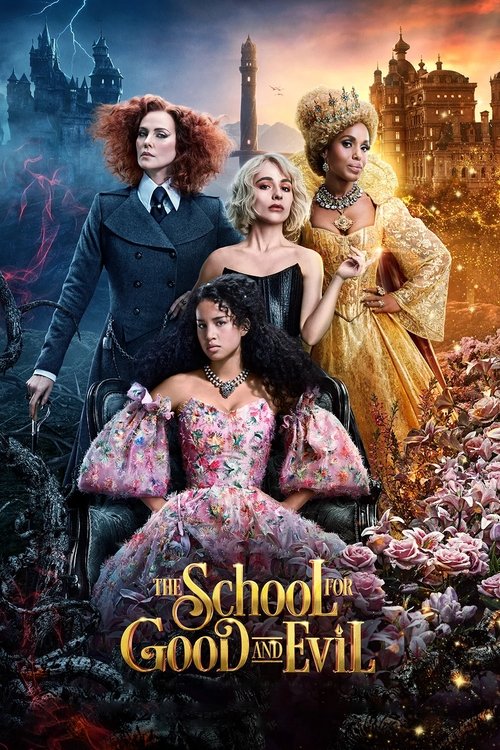
In the ending of "The School for Good and Evil," Sophie and Agatha confront their destinies, leading to a climactic battle between good and evil. Sophie, consumed by her desire for power, ultimately faces the consequences of her actions. Agatha, embodying true goodness, makes a selfless choice that alters the course of their lives. The film concludes with a resolution of their friendship and a new understanding of their identities.
As the final act unfolds, the atmosphere is charged with tension. Sophie, now fully embracing her darker side, stands in the heart of the School for Evil, surrounded by shadows and whispers of power. Her transformation is stark; her once bright demeanor is replaced by a cold, calculating presence. She believes that to gain the love and admiration she craves, she must become the ultimate villain. The school is alive with chaos as students are drawn into her ambition, and the lines between good and evil blur.
Meanwhile, Agatha, who has always been the embodiment of true friendship and loyalty, finds herself grappling with the weight of her choices. She is torn between her love for Sophie and the realization that her friend has strayed too far into darkness. Agatha's internal struggle is palpable; she feels the pull of her own identity as a "good" character, yet she cannot abandon Sophie. This conflict drives her to seek a way to save her friend, even if it means risking her own safety.
The climax reaches its peak when Agatha confronts Sophie in a dramatic showdown. The setting is a dark, stormy landscape, symbolizing the turmoil within both characters. Agatha pleads with Sophie to remember who she truly is, to fight against the darkness that has consumed her. Sophie, however, is blinded by her ambition and refuses to back down. The emotional stakes are high as Agatha's desperation to save her friend clashes with Sophie's determination to seize power.
In a moment of clarity, Agatha realizes that true goodness is not about power or recognition but about sacrifice and love. She makes a pivotal choice to embrace her own strength, not through violence but through compassion. In a heart-wrenching moment, she offers Sophie a chance at redemption, reminding her of their shared memories and the bond they once had. This act of love breaks through Sophie's hardened exterior, and for a fleeting moment, she hesitates.
However, the darkness within Sophie is strong, and she lashes out, leading to a catastrophic confrontation. The battle escalates, and the consequences of their choices manifest in a dramatic display of magic and emotion. In the end, Agatha's unwavering belief in the goodness of their friendship prevails. She sacrifices her own desires to save Sophie, demonstrating that true heroism lies in selflessness.
As the dust settles, Sophie is left to confront the aftermath of her actions. The school, once a place of dreams, is now a reflection of the chaos that ensued. Agatha, having chosen the path of goodness, emerges as a beacon of hope. She understands that her journey is not just about defeating evil but about healing the wounds of friendship.
The film concludes with a poignant moment of reconciliation. Sophie, now stripped of her power, begins to understand the true meaning of friendship and love. Agatha extends her hand, symbolizing forgiveness and the possibility of a new beginning. The two girls, once on opposing paths, find a way to reconnect, suggesting that even in the face of darkness, there is always a chance for redemption and growth.
In the final scenes, the school is transformed, reflecting the changes within both characters. Agatha and Sophie stand together, ready to face whatever comes next, united in their understanding of who they are and what they mean to each other. The ending leaves viewers with a sense of hope, emphasizing the importance of friendship, the complexity of good and evil, and the power of choice.
Is there a post-credit scene?
Yes, "The School for Good and Evil" features a post-credit scene that adds an intriguing layer to the story.
As the credits roll, the scene opens with a serene view of the enchanted forest surrounding the School for Good and Evil. The camera pans through the trees, eventually focusing on a mysterious figure cloaked in shadows. This figure is revealed to be a character from the story, hinting at their return and potential future involvement in the ongoing narrative.
The scene then shifts to a close-up of a magical artifact, a book that glows with an ethereal light. The book appears to be a significant object tied to the lore of the schools, suggesting that there are still untold stories and secrets waiting to be uncovered. The figure reaches out, their hand hovering over the book, and a sense of anticipation fills the air, leaving viewers with a feeling of suspense and curiosity about what might come next.
This post-credit moment serves to tease future developments and the possibility of new adventures, reinforcing the themes of friendship, destiny, and the ongoing battle between good and evil that permeate the film.
What are the main differences between the characters Sophie and Agatha in The School for Good and Evil?
Sophie is initially portrayed as a glamorous and ambitious girl who dreams of becoming a princess, embodying the traits of a 'Good' character. She is manipulative and self-centered, often using her beauty to get what she wants. In contrast, Agatha is more tomboyish and practical, with a deep sense of loyalty and friendship. She is skeptical of the fairy tale world and prefers the company of her pet cat. Their contrasting personalities drive the narrative, as Sophie's desire for acceptance leads her to make questionable choices, while Agatha's grounded nature often puts her at odds with Sophie.
How does the School for Good and Evil operate in terms of its curriculum and the roles of its students?
The School for Good trains students to become heroes and princesses, focusing on lessons in charm, beauty, and kindness, while the School for Evil teaches students to embrace darkness, cunning, and villainy. The curriculum includes classes like 'Fairy Tale Creatures' and 'Evil 101', where students learn the skills necessary to fulfill their destined roles in fairy tales. The stark contrast between the two schools is visually represented through their architecture and aesthetics, with the School for Good being bright and colorful, while the School for Evil is dark and foreboding.
What role does the character of Professor Dovey play in the story?
Professor Dovey is the headmistress of the School for Good and serves as a mentor to the students, particularly Sophie and Agatha. She embodies the ideals of goodness and is determined to guide her students towards their destinies as heroes. However, she also faces challenges in maintaining order and balance within the school, especially as the lines between good and evil blur. Her character is pivotal in highlighting the complexities of morality and the importance of choice, as she encourages Agatha to embrace her true self.
What is the significance of the character Tedros in Agatha's journey?
Tedros is the son of King Arthur and represents the ideal prince in the School for Good. His character becomes a focal point for Agatha's emotional development, as she grapples with her feelings for him and her loyalty to Sophie. Tedros is initially drawn to Sophie's beauty, which creates tension between him and Agatha. As the story progresses, Tedros begins to see Agatha's true worth, leading to a deeper connection that challenges the traditional fairy tale narrative. His presence forces Agatha to confront her insecurities and ultimately embrace her identity.
How does the concept of friendship evolve between Sophie and Agatha throughout the film?
The friendship between Sophie and Agatha undergoes significant transformation as the story unfolds. Initially, Sophie's ambition and desire for acceptance lead her to manipulate Agatha, creating a rift between them. However, as Agatha becomes more confident and begins to assert her own identity, their friendship is tested. The emotional stakes rise when Sophie's actions put them both in danger, forcing Agatha to choose between loyalty to her friend and her own moral compass. By the end of the film, their relationship reflects the complexities of friendship, highlighting themes of sacrifice, understanding, and the importance of being true to oneself.
Is this family friendly?
"The School for Good and Evil" (2022) is a fantasy film that, while aimed at a younger audience, contains several elements that may be considered objectionable or upsetting for children or sensitive viewers. Here are some aspects to consider:
-
Dark Themes: The film explores themes of good versus evil, friendship, betrayal, and identity, which may be complex for younger viewers to fully grasp.
-
Violence: There are scenes that depict magical battles and confrontations, which may include mild violence or perilous situations that could be frightening.
-
Emotional Turmoil: Characters experience significant emotional struggles, including feelings of abandonment, jealousy, and fear, which may resonate deeply and evoke strong emotions.
-
Scary Creatures: The presence of fantastical creatures and dark magic can be unsettling, particularly for younger children.
-
Bullying and Peer Pressure: The film addresses themes of bullying and social hierarchy within the school, which may be distressing for some viewers.
-
Moral Ambiguity: Characters often grapple with moral dilemmas, which may confuse younger audiences about the nature of good and evil.
These elements may require parental guidance to help children process the themes and scenes presented in the film.







