
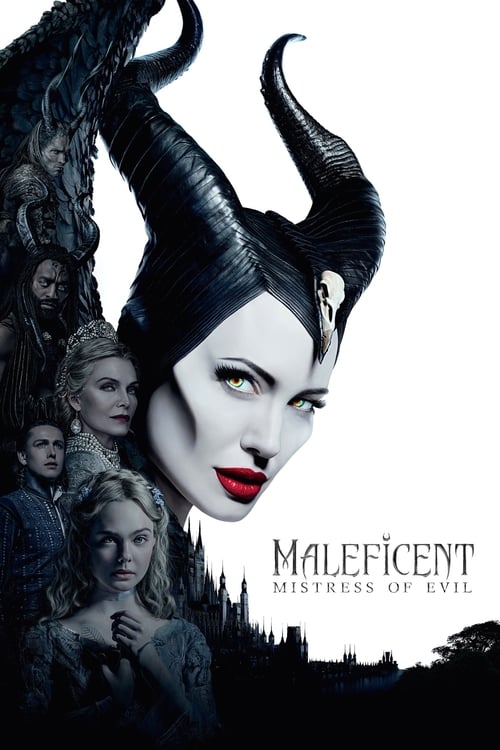




































































Popular
What motivates Maleficent to attend Aurora's engagement party?
How does Aurora react to Maleficent's protective nature during the engagement?
What is the significance of the conflict between Maleficent and Queen Ingrith?
How does Maleficent's relationship with her fellow dark fae evolve throughout the film?
What role does the curse play in the relationship between Maleficent and Aurora?
Should I watch it?
Ask Your Own Question

What is the plot?
Sorry, we aren't able to watch and write up a full detailed plot yet. Check back in a few days.
More Movies Like This
Browse All Movies →








What is the ending?
In the ending of "Maleficent: Mistress of Evil," Maleficent and Aurora unite to confront the conflict between the Moors and the human kingdom. After a fierce battle, Maleficent reveals her true power and transforms into a dragon to protect Aurora. The conflict resolves with the realization that love and unity can bridge the divide between the two worlds. Maleficent and Aurora embrace their bond, and the film concludes with a sense of hope for coexistence.
As the climax of "Maleficent: Mistress of Evil" unfolds, the tension between the Moors and the human kingdom reaches its peak. The scene opens with a darkened battlefield, where the forces of Queen Ingrith and the human army prepare to attack the enchanted creatures of the Moors. Maleficent, having been captured and manipulated, is initially at a disadvantage, but her fierce loyalty to Aurora drives her to fight back.
In a pivotal moment, Aurora, now fully aware of her identity as the future queen, stands resolute against her mother's adversaries. She rallies the creatures of the Moors, urging them to unite against the impending threat. The atmosphere is charged with emotion as Aurora's determination reflects her growth and her desire to protect her home and her loved ones.
As the battle erupts, Maleficent breaks free from her restraints, her eyes blazing with fury and resolve. She takes to the skies, her wings unfurling majestically, and in a breathtaking transformation, she becomes a dragon. This moment is visually stunning, showcasing her immense power and the depth of her connection to the magical realm. The dragon Maleficent swoops down, unleashing her fury upon the human soldiers, creating chaos and fear among them.
Meanwhile, Aurora finds herself in a precarious situation, caught between her love for Maleficent and the expectations of her human fiancé, Prince Phillip. As the battle rages on, Aurora's heart is torn, but she ultimately chooses to stand by Maleficent, recognizing that their bond transcends the conflict between their worlds.
In a climactic confrontation, Queen Ingrith attempts to use a powerful weapon against Maleficent, but Aurora intervenes, demonstrating her bravery and commitment to her mother. The weapon backfires, and Ingrith is ultimately defeated, her plans thwarted by the very love she sought to destroy. The moment is charged with emotion as Aurora and Maleficent embrace, their relationship solidified through the trials they have faced together.
As the dust settles, the film shifts to a more hopeful tone. The Moors and the human kingdom begin to reconcile, with both sides realizing that coexistence is possible. Maleficent, having embraced her role as a protector, stands alongside Aurora, who is now ready to lead her people with compassion and strength.
In the final scenes, Maleficent and Aurora share a quiet moment, reflecting on their journey. Maleficent, once a figure of darkness, has transformed into a symbol of love and protection. Aurora, now a queen in her own right, embodies the hope for a future where both magical and human beings can live in harmony.
The film concludes with a sense of unity and renewal, as the characters look toward a brighter future. Maleficent, Aurora, and Prince Phillip stand together, symbolizing the new alliance between their worlds, while the creatures of the Moors celebrate their victory, marking the end of a long-standing conflict and the beginning of a new era.
Is there a post-credit scene?
In "Maleficent: Mistress of Evil," there is no post-credit scene. The film concludes with a sense of resolution as Maleficent and Aurora solidify their bond, embracing their roles as protector and queen. The story wraps up without any additional scenes or teasers after the credits, focusing instead on the themes of family, acceptance, and the complexities of love and loyalty that have been explored throughout the film.
What motivates Maleficent to attend Aurora's engagement party?
Maleficent is initially motivated by her desire to protect Aurora, her goddaughter, and to understand the intentions of Prince Phillip and his family. She is wary of the human world and its potential dangers, especially given her past experiences with humans. Despite her reservations, she wants to support Aurora's happiness.
How does Aurora react to Maleficent's protective nature during the engagement?
Aurora feels conflicted about Maleficent's protective nature. While she appreciates Maleficent's care and love, she also desires independence and wants to forge her own path, especially as she prepares to marry Prince Phillip. This tension creates emotional strain between them.
What is the significance of the conflict between Maleficent and Queen Ingrith?
The conflict between Maleficent and Queen Ingrith is significant as it represents the clash between the magical and human worlds. Queen Ingrith's desire for power and her prejudices against magical beings drive her to manipulate events, leading to a deeper exploration of themes like betrayal and the fight for acceptance.
How does Maleficent's relationship with her fellow dark fae evolve throughout the film?
Maleficent's relationship with her fellow dark fae evolves as she learns more about her own kind and their struggles. Initially, she feels isolated and protective of Aurora, but as she reconnects with her roots and the dark fae, she begins to embrace her identity and the importance of unity among her kind.
What role does the curse play in the relationship between Maleficent and Aurora?
The curse plays a pivotal role in the relationship between Maleficent and Aurora, as it serves as a constant reminder of their complicated past. While it initially brought them together, it also creates tension and misunderstandings, forcing them to confront their feelings and the nature of love and loyalty.
Is this family friendly?
"Maleficent: Mistress of Evil" contains several elements that may be considered objectionable or upsetting for children or sensitive viewers. Here are some aspects to be aware of:
-
Dark Themes: The film explores themes of betrayal, war, and the complexities of family relationships, which may be intense for younger audiences.
-
Violence: There are battle scenes featuring magical combat, which include characters being injured or threatened. The visual effects can be quite dramatic and may be frightening.
-
Scary Creatures: The film features various fantastical creatures, some of which may appear menacing or frightening, particularly in darker scenes.
-
Emotional Conflict: Characters experience significant emotional turmoil, including feelings of rejection, anger, and sadness, which may resonate deeply and be distressing for some viewers.
-
Death and Loss: There are references to death and the consequences of war, which could be upsetting for sensitive viewers.
-
Manipulation and Deceit: The plot involves themes of manipulation and betrayal, which may be complex for younger audiences to understand.
While the film has a fairy tale aesthetic and moments of humor, these darker elements may require parental guidance for younger viewers.








