
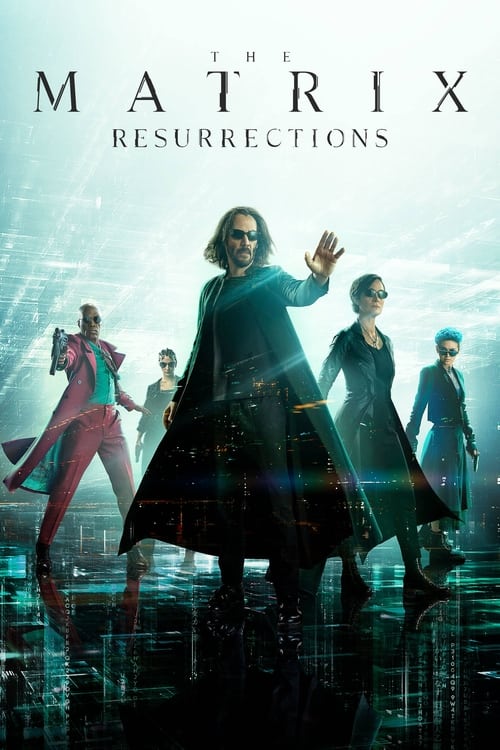


























































Popular
What is the significance of Neo's character in The Matrix Resurrections?
How does Trinity's character evolve in The Matrix Resurrections?
What role does the Analyst play in The Matrix Resurrections?
What is the relationship between Neo and Trinity in The Matrix Resurrections?
How do the new characters, such as Bugs, contribute to the story in The Matrix Resurrections?
Should I watch it?
Ask Your Own Question

What is the plot?
Sorry, we aren't able to watch and write up a full detailed plot yet. Check back in a few days.







What is the ending?
At the end of The Matrix Resurrections, Neo and Trinity confront the Architect and the new version of the Matrix. They realize their connection is the key to breaking free from the control of the Matrix. Together, they overpower the system, and Neo and Trinity fly away, symbolizing their newfound freedom and unity.
As the film concludes, Neo and Trinity embrace their roles as liberators, ready to challenge the Matrix and reshape their reality.
The climax of The Matrix Resurrections unfolds in a series of intense and emotionally charged scenes.
Scene 1: The Confrontation with the Analyst Neo, played by Keanu Reeves, and Trinity, portrayed by Carrie-Anne Moss, find themselves in a confrontation with the Analyst, a new character who represents the updated control of the Matrix. The Analyst, played by Neil Patrick Harris, reveals his manipulative nature, explaining how he has kept them apart and under control. He uses their past experiences and emotions against them, trying to convince them that their connection is a weakness. Neo, feeling the weight of his past and the love he has for Trinity, struggles against the Analyst's psychological games.
Scene 2: The Awakening As Neo and Trinity begin to remember their true identities, the atmosphere shifts. They experience flashes of their past lives, filled with moments of love, sacrifice, and rebellion against the Matrix. This awakening is visually represented through a series of rapid cuts, showcasing their previous battles and the deep bond they share. The emotional intensity builds as they realize that their love is not just a memory but a powerful force that can transcend the confines of the Matrix.
Scene 3: The Fight for Freedom With their memories restored, Neo and Trinity join forces to fight against the Analyst and the agents of the Matrix. The action escalates as they engage in a breathtaking battle, showcasing their abilities and the strength of their connection. The choreography is fluid and dynamic, with Neo using his powers to manipulate the environment while Trinity displays her combat skills. The stakes are high, and the tension is palpable as they push against the limits of the Matrix.
Scene 4: The Choice In a pivotal moment, Neo and Trinity are faced with a choice: to accept the Analyst's offer of a comfortable life within the Matrix or to embrace their true selves and fight for freedom. The emotional weight of this decision is evident as they look into each other's eyes, understanding that their love and shared purpose are more important than the illusion of safety. They choose to fight, symbolizing their rejection of control and their commitment to each other.
Scene 5: The Flight As they break free from the Analyst's grasp, Neo and Trinity take to the skies, literally flying away from the confines of the Matrix. This moment is visually stunning, filled with vibrant colors and a sense of liberation. They soar above the city, representing their newfound freedom and the power of their love. The scene is both exhilarating and poignant, capturing the essence of their journey together.
Scene 6: The Resolution The film concludes with Neo and Trinity standing together, ready to challenge the Matrix and reshape their reality. They embrace their roles as liberators, symbolizing hope and the possibility of change. The final shot leaves the audience with a sense of anticipation, as Neo and Trinity prepare to confront whatever challenges lie ahead.
In terms of character fates, Neo and Trinity emerge as empowered figures, united in their mission to disrupt the Matrix. The Analyst, on the other hand, is left to grapple with the consequences of his manipulation, while the world of the Matrix remains a battleground for freedom and control. The ending encapsulates the themes of love, choice, and the struggle against oppression, leaving a lasting impact on the audience.
Is there a post-credit scene?
In "The Matrix Resurrections," there is no post-credit scene. The film concludes with a final scene that encapsulates the themes of choice, love, and the ongoing struggle against control. After Neo and Trinity have successfully escaped the confines of the Matrix and reaffirmed their connection, the film ends on a note of hope and possibility, leaving the audience with a sense of resolution regarding their journey. The absence of a post-credit scene emphasizes the film's focus on the characters' emotional arcs rather than setting up future installments.
What is the significance of Neo's character in The Matrix Resurrections?
In The Matrix Resurrections, Neo, also known as Thomas Anderson, is portrayed as a game developer who has created a successful video game series based on his past experiences in the Matrix. His character is significant as it explores themes of identity and reality, as he struggles with memories of his past life as 'The One' while living in a simulated world. Neo's internal conflict is palpable as he grapples with the mundane existence imposed on him, feeling a deep sense of loss and confusion about his true self.
How does Trinity's character evolve in The Matrix Resurrections?
Trinity, referred to as Tiffany in the simulated world, is depicted as a suburban mother and wife, unaware of her true identity. Her evolution is central to the narrative, as she initially appears to be content in her new life, but there are moments where she experiences flashes of her past, hinting at her true potential. The emotional reunion with Neo is pivotal, as it reignites her memories and powers, showcasing her strength and agency as she ultimately chooses to embrace her identity as a warrior alongside Neo.
What role does the Analyst play in The Matrix Resurrections?
The Analyst, played by Neil Patrick Harris, serves as the primary antagonist in The Matrix Resurrections. He represents a new form of control within the Matrix, using psychological manipulation to keep Neo and Trinity separated and subdued. His character is significant as he embodies the evolution of the Matrix's systems, employing tactics that exploit human emotions and relationships. The Analyst's calm demeanor contrasts sharply with the chaos of the rebellion, making him a formidable foe as he seeks to maintain the status quo.
What is the relationship between Neo and Trinity in The Matrix Resurrections?
The relationship between Neo and Trinity is at the heart of The Matrix Resurrections. Their bond is portrayed as a deep, transcendent love that defies the constraints of the Matrix. Despite being separated and living different lives, their connection remains strong, and it is this love that ultimately drives them to reunite. The film explores their emotional struggles, highlighting how their past experiences and shared history influence their choices and motivations, culminating in a powerful partnership that challenges the Matrix's control.
How do the new characters, such as Bugs, contribute to the story in The Matrix Resurrections?
Bugs, played by Jessica Henwick, is a new character introduced in The Matrix Resurrections who plays a crucial role in the narrative. As a rebel and a captain of a ship, she is determined to find Neo, believing in his significance to the fight against the Matrix. Bugs embodies the spirit of rebellion and hope, serving as a bridge between the old and new generations of fighters. Her admiration for Neo and her willingness to risk everything to help him escape the Matrix highlight her bravery and commitment to the cause, adding depth to the story's exploration of legacy and resistance.
Is this family friendly?
"The Matrix Resurrections" contains several elements that may not be suitable for children or sensitive viewers. Here are some potentially objectionable or upsetting aspects:
-
Violence: The film features intense action sequences, including hand-to-hand combat, gunfights, and scenes of destruction. Characters are shown being injured or killed, which may be distressing.
-
Death and Loss: Themes of death and the emotional impact of loss are prevalent, with characters grappling with grief and the consequences of their past actions.
-
Psychological Themes: The film explores complex themes of reality, identity, and existential crises, which may be confusing or unsettling for younger audiences.
-
Mature Language: There are instances of strong language that may not be appropriate for children.
-
Intense Emotional Moments: Characters experience significant emotional turmoil, including betrayal, despair, and conflict, which could be upsetting for sensitive viewers.
-
Dystopian Elements: The portrayal of a dystopian world and the concept of living in a simulated reality may be disturbing for some.
These elements contribute to a tone that may not be suitable for all audiences, particularly younger children.






