




















Popular
What is the significance of the lieutenant's gambling addiction in the film?
How does the lieutenant's relationship with the nun impact the story?
What role does the lieutenant's family play in his life and choices?
How does the lieutenant's drug use affect his actions throughout the film?
What is the significance of the lieutenant's interactions with the criminals in the film?
Should I watch it?
Ask Your Own Question

What is the plot?
Sorry, we aren't able to watch and write up a full detailed plot yet. Check back in a few days.








What is the ending?
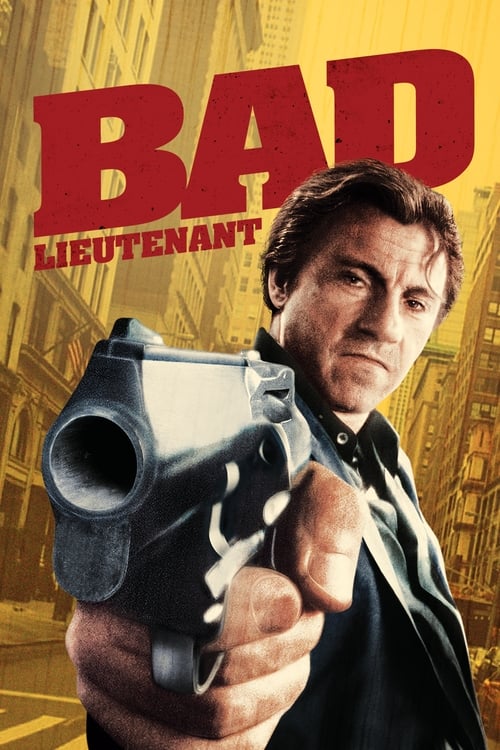
In the ending of "Bad Lieutenant," the protagonist, a deeply troubled and corrupt police officer, faces the consequences of his actions. After a series of self-destructive choices, he finds himself in a moment of reckoning. He ultimately seeks redemption by helping a victim of a crime, leading to a confrontation with his own demons. The film concludes with a sense of ambiguity regarding his fate, leaving viewers to ponder the nature of his redemption.
As the film approaches its climax, the Bad Lieutenant, played by Harvey Keitel, is spiraling deeper into his addiction and moral decay. He has been embroiled in a series of corrupt activities, including drug use, gambling, and extortion. His life is a chaotic blend of self-indulgence and desperation, and he is increasingly isolated from those around him.
In the penultimate scenes, the Lieutenant is confronted with the case of a brutal rape of a nun, which he has been neglecting. The nun, portrayed with a haunting vulnerability, embodies the innocence that the Lieutenant has long abandoned. As he grapples with his own guilt and the weight of his actions, he begins to show signs of a flickering conscience. This moment is pivotal; it marks the beginning of his internal struggle for redemption.
The Lieutenant's journey leads him to a confrontation with the perpetrators of the crime against the nun. In a tense and violent scene, he tracks down the men responsible, driven by a mix of rage and a desperate need to atone for his previous inaction. The encounter is raw and visceral, showcasing the Lieutenant's moral conflict as he oscillates between his corrupt instincts and a yearning for justice.
In the aftermath of this confrontation, the Lieutenant finds himself at a crossroads. He is faced with the choice of continuing down his path of self-destruction or seeking a semblance of redemption. In a moment of clarity, he chooses to help the nun, offering her a sense of closure and support. This act, though small, signifies a shift in his character, suggesting that even amidst his darkness, there is a flicker of humanity left.
As the film draws to a close, the Lieutenant is left to confront the consequences of his life choices. He is seen in a state of emotional turmoil, grappling with the weight of his sins. The final scenes are ambiguous; he is not shown achieving a clear resolution or redemption, but rather left in a state of reflection. The audience is left to ponder the complexity of his character and the possibility of change.
The fate of the main characters is intertwined with this theme of redemption. The Lieutenant, despite his many flaws, is given a moment of grace through his actions towards the nun. The nun herself, while a victim, represents hope and the possibility of forgiveness. The film concludes without a definitive answer to the Lieutenant's fate, leaving viewers to reflect on the nature of morality, redemption, and the human condition.
Is there a post-credit scene?
The movie "Bad Lieutenant," produced in 1992, does not have a post-credit scene. The film concludes with the intense and harrowing final moments of the protagonist, Lieutenant Terence McDonagh, as he confronts his own moral decay and the consequences of his actions. The narrative wraps up without any additional scenes after the credits, leaving the audience to reflect on the themes of guilt, redemption, and the struggles of addiction that permeate the film.
What is the significance of the lieutenant's gambling addiction in the film?
The lieutenant's gambling addiction serves as a central element of his character, illustrating his self-destructive tendencies and moral decay. It drives many of his decisions throughout the film, leading him to make increasingly desperate choices, such as borrowing money from dangerous individuals and neglecting his duties as a police officer. This addiction not only affects his personal life but also his professional integrity, showcasing the depths of his corruption.
How does the lieutenant's relationship with the nun impact the story?
The lieutenant's encounter with the nun, who is a victim of a brutal crime, serves as a pivotal moment in the film. Initially, he is indifferent to her suffering, but as he grapples with his own moral failings, her presence forces him to confront his conscience. This relationship highlights his internal conflict and the possibility of redemption, even as he continues down a path of self-destruction.
What role does the lieutenant's family play in his life and choices?
The lieutenant's family, particularly his interactions with his children and estranged wife, reveal the personal costs of his lifestyle. His neglect and emotional distance from them underscore his moral decline and the chaos in his life. These familial relationships serve as a stark contrast to his reckless behavior, emphasizing the impact of his choices on those who care about him.
How does the lieutenant's drug use affect his actions throughout the film?
The lieutenant's drug use exacerbates his already deteriorating mental state, leading to erratic behavior and poor decision-making. It clouds his judgment, pushing him further into a cycle of addiction and crime. His drug use is a manifestation of his inner turmoil and contributes to his inability to fulfill his responsibilities as a police officer, ultimately isolating him from any potential support.
What is the significance of the lieutenant's interactions with the criminals in the film?
The lieutenant's interactions with various criminals highlight his moral ambiguity and the blurred lines between law enforcement and criminality. He often finds himself in compromising situations, where he engages in corrupt practices, such as accepting bribes or turning a blind eye to crimes. These encounters illustrate his desperation and the extent to which he has fallen from grace, as he navigates a world where he is both a protector and a predator.
Is this family friendly?
"Bad Lieutenant," produced in 1992, is not family-friendly and contains numerous potentially objectionable or upsetting scenes. Here are some aspects that may be distressing for children or sensitive viewers:
-
Graphic Drug Use: The film depicts extensive drug use, including scenes of the protagonist using cocaine and engaging in other illegal substances, which may be disturbing.
-
Sexual Content: There are explicit sexual scenes, including sexual violence and exploitation, which are portrayed in a raw and unflinching manner.
-
Violence: The film contains scenes of violence, including physical altercations and the protagonist's aggressive behavior, which can be unsettling.
-
Moral Ambiguity: The main character is deeply flawed, engaging in corrupt and immoral behavior, which may be troubling for viewers who prefer clear moral narratives.
-
Themes of Guilt and Redemption: The protagonist struggles with intense feelings of guilt and despair, which may evoke strong emotional reactions.
-
Religious Imagery: There are scenes that involve blasphemy and the protagonist's troubled relationship with faith, which could be upsetting to some viewers.
Overall, the film's heavy themes and explicit content make it unsuitable for younger audiences or those sensitive to such material.








