

































Popular
Should I watch it?
Ask Your Own Question

What is the plot?
Sorry, we aren't able to watch and write up a full detailed plot yet. Check back in a few days.







What is the ending?
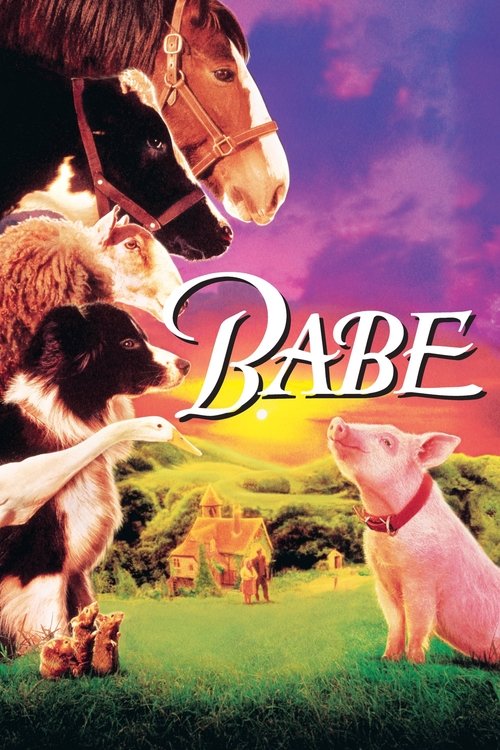
At the end of the movie "Babe," Babe the pig wins the sheepdog trials, proving that he can herd sheep just like a dog. His victory earns him the respect of the other animals and his owner, Farmer Hoggett. The film concludes with a sense of harmony on the farm, as Babe finds his place in the world, and Farmer Hoggett is seen as a kind and understanding figure.
As the story approaches its climax, the scene shifts to the sheepdog trials, where the tension is palpable. Babe stands nervously at the starting line, surrounded by a crowd of spectators and other competitors. Farmer Hoggett, his owner, stands beside him, offering quiet encouragement. The atmosphere is charged with anticipation, as the audience is unsure whether a pig can truly succeed in a task meant for dogs.
When the whistle blows, Babe takes a deep breath and steps forward. He recalls the lessons he learned from Fly, the sheepdog, who taught him how to communicate with the sheep. With a gentle yet firm demeanor, Babe approaches the flock, using his unique ability to connect with the sheep. He speaks to them softly, coaxing them into following his lead. The sheep respond to his calm presence, and the crowd watches in awe as Babe skillfully guides them through the course.
As the trial progresses, the other competitors, including the fierce sheepdogs, begin to falter under the pressure. Babe, however, remains focused and determined. His innate understanding of the sheep and his gentle approach set him apart. The audience, initially skeptical, begins to cheer for the little pig, their excitement growing with each successful maneuver.
In a pivotal moment, Babe faces a particularly stubborn sheep that refuses to move. He remembers Fly's advice and approaches the sheep with patience and kindness. Instead of barking or forcing it, he gently nudges it, and with a little encouragement, the sheep finally complies. This moment encapsulates Babe's character--his belief in kindness over aggression.
As Babe completes the course, the crowd erupts in applause. Farmer Hoggett beams with pride, his faith in Babe validated. The judges deliberate, and the tension builds as they prepare to announce the winner. When Babe's name is called, the cheers grow louder, and he is crowned the champion of the sheepdog trials. The victory is not just for Babe but also for Farmer Hoggett, who has always believed in him.
In the aftermath of the trials, the farm is filled with a renewed sense of joy and acceptance. Babe has proven that he can be more than just a pig; he has found his place in the world. Farmer Hoggett, now a figure of respect and admiration, is seen smiling as he walks alongside Babe, who has become a beloved member of the farm community.
The film concludes with a heartwarming scene of harmony on the farm. Babe, now confident and content, interacts with the other animals, who have come to respect him for his abilities. The final shot captures the essence of the story: a celebration of individuality, acceptance, and the power of kindness. Each character, from Farmer Hoggett to Babe, has undergone a transformation, embracing their true selves and the bonds they share. The film ends on a hopeful note, leaving the audience with a sense of fulfillment and joy.
Is there a post-credit scene?
The movie "Babe," produced in 1995, does not have a post-credit scene. The film concludes with a heartwarming resolution, where Babe, the pig, successfully proves himself as a sheepdog, earning the respect and love of the other animals and his owner, Farmer Hoggett. The story wraps up with a sense of fulfillment and joy, leaving the audience with a lasting impression of Babe's journey and the bonds he has formed. After the credits roll, there are no additional scenes or content that follow.
What motivates Babe to want to become a sheepdog?
Babe, a young pig, is motivated by his desire to fit in and find his place in the world. After being raised by a kind farmer, he witnesses the sheepdogs herding sheep and feels a deep yearning to be part of that community. His innocence and determination drive him to learn the skills necessary to become a sheepdog, despite the skepticism of others.
How does Babe first demonstrate his herding abilities?
Babe first demonstrates his herding abilities when he is tasked with rounding up sheep for the first time. With a mix of instinct and a gentle approach, he uses his charm and soft voice to communicate with the sheep, surprising everyone, including himself, as he successfully guides them into the pen. This moment marks a turning point in his journey, showcasing his unique talent.
What role does Farmer Hoggett play in Babe's life?
Farmer Hoggett plays a crucial role in Babe's life as a nurturing figure who believes in Babe's potential. Unlike others who see him merely as a pig, Hoggett recognizes Babe's unique abilities and treats him with kindness and respect. Their bond deepens as Hoggett encourages Babe to pursue his dreams, ultimately leading to their shared success in the sheepdog competition.
How does the character of Fly influence Babe's development?
Fly, the sheepdog, significantly influences Babe's development by serving as both a mentor and a friend. Initially skeptical of Babe's ambitions, she gradually warms up to him and teaches him the ways of herding. Fly's protective nature and maternal instincts help Babe gain confidence, and her eventual acceptance of him as a partner solidifies his place within the farm's hierarchy.
What challenges does Babe face from the other animals on the farm?
Babe faces several challenges from the other animals on the farm, particularly from the more traditional sheepdogs who doubt his abilities and view him as an outsider. Characters like Rex, the lead sheepdog, are initially dismissive and critical of Babe's attempts to herd sheep. These challenges create tension and conflict, pushing Babe to prove himself and ultimately leading to moments of self-discovery and growth.
Is this family friendly?
"Babe," produced in 1995, is generally considered a family-friendly film, but there are a few scenes and themes that might be potentially objectionable or upsetting for children or sensitive viewers.
-
Animal Separation: Early in the film, Babe is separated from his mother, which can evoke feelings of sadness and anxiety about family separation.
-
Predatory Animals: There are scenes featuring a fox and a dog that highlight the natural predator-prey relationship, which may be distressing for younger viewers.
-
Animal Competition: The competitive nature of the farm animals, particularly during the sheepdog trials, can create tension and anxiety, as characters face the pressure to perform.
-
Death of Animals: There are references to the fate of animals on the farm, including the implication of slaughter, which may be upsetting for sensitive viewers.
-
Emotional Struggles: Babe faces challenges of acceptance and belonging, which may resonate deeply with children who have experienced similar feelings.
While these elements are handled with a gentle touch and ultimately contribute to the film's themes of friendship and perseverance, they may still be sensitive topics for some viewers.