





























Popular
What is the significance of the train station in the film?
What significant event occurs during the picnic scene in Peppermint Candy?
How does Yong-ho's character change throughout the film?
What role does Sun-im play in Yong-ho's life?
How does the film depict the impact of historical events on Yong-ho's life?
Should I watch it?
Ask Your Own Question

What is the plot?
Sorry, we aren't able to watch and write up a full detailed plot yet. Check back in a few days.









What is the ending?
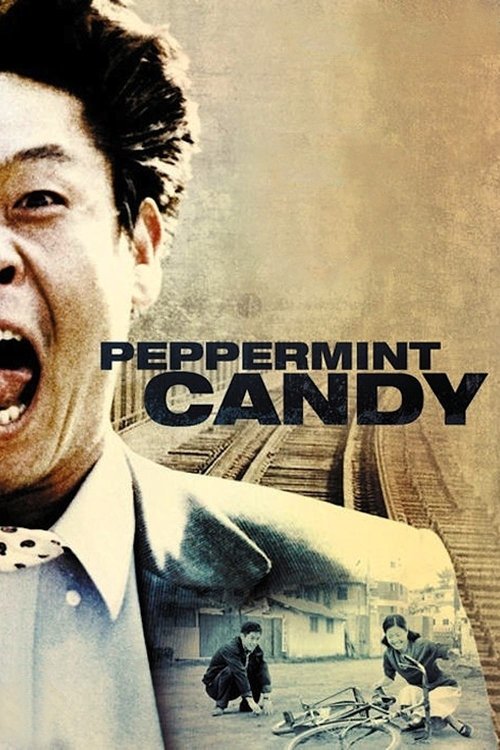
In the ending of "Peppermint Candy," the protagonist, Yong-ho, is seen in a state of despair as he reflects on his past. The film concludes with a poignant scene where he is at a train station, and he ultimately takes his own life by throwing himself in front of an oncoming train.
Expanding on the ending in a chronological and narrative fashion:
The final scenes of "Peppermint Candy" unfold at a train station, a significant location that has appeared throughout Yong-ho's life. The atmosphere is heavy with a sense of inevitability and despair. Yong-ho, now a middle-aged man, stands alone on the platform, his face etched with the weight of his memories and regrets. The sounds of the bustling station contrast sharply with his internal turmoil, creating a palpable tension.
As he gazes at the trains passing by, flashes of his past life flicker through his mind. The audience is taken back through the fragmented memories that have been woven throughout the film, showcasing pivotal moments that shaped his existence. We see glimpses of his youthful idealism, his love for his wife, and the gradual disintegration of his relationships due to his choices and the socio-political turmoil surrounding him.
In this moment of reflection, Yong-ho's emotional state is one of profound sadness and hopelessness. He is haunted by the ghosts of his past, including his failed marriage to his wife, who had once been a source of joy and love. The memories of their happier times are juxtaposed with the pain of their separation and his subsequent descent into despair.
As the train approaches, Yong-ho's expression shifts from contemplation to a resigned acceptance of his fate. He steps closer to the edge of the platform, the noise of the train growing louder, drowning out the chaos of his thoughts. In a final act of desperation, he throws himself onto the tracks, seeking an escape from the pain that has consumed him.
The film concludes with the train rushing forward, symbolizing the relentless passage of time and the inescapable nature of Yong-ho's choices. The screen fades to black, leaving the audience with a haunting sense of loss and the tragic consequences of a life filled with unfulfilled dreams and unresolved conflicts.
In terms of the fates of the main characters, Yong-ho's tragic end serves as a culmination of his life's struggles. His wife, who had once been a beacon of hope, is left to grapple with the aftermath of his choices, though her fate is not explicitly shown in the final scenes. The film leaves viewers with a lingering sense of the impact of Yong-ho's life on those around him, emphasizing the themes of regret, loss, and the search for redemption that permeate the narrative.
Is there a post-credit scene?
The movie "Peppermint Candy," directed by Lee Chang-dong, does not have a post-credit scene. The film concludes with a poignant and reflective ending that encapsulates the themes of memory, loss, and the passage of time. After the final scene, which leaves a lasting emotional impact, the credits roll without any additional scenes or content. The focus remains on the narrative's exploration of the protagonist's life and the events that shaped him, rather than extending the story further in a post-credit sequence.
What is the significance of the train station in the film?
The train station serves as a crucial setting in 'Peppermint Candy,' symbolizing transitions and the passage of time. It is where Yong-ho first meets Sun-im, marking the beginning of their relationship. Later, it becomes a place of reflection and regret for Yong-ho, as he confronts the choices he made and the life he lost. The station encapsulates the theme of nostalgia and the inevitability of change.
What significant event occurs during the picnic scene in Peppermint Candy?
During the picnic scene, which takes place in 1980, the main character, Yong-ho, is seen with his friends and his love interest, a woman named Sun-im. This scene is pivotal as it showcases the carefree moments of their youth, contrasting sharply with the later events in Yong-ho's life. The picnic is filled with laughter and joy, but it foreshadows the tragic turns that will come as the story unfolds.
How does Yong-ho's character change throughout the film?
Yong-ho's character undergoes a profound transformation throughout the film. Initially, he is depicted as a hopeful and vibrant young man during the picnic scene. However, as the narrative progresses backward through time, we see him become increasingly disillusioned and troubled, culminating in his later years where he is a broken man, grappling with regret and despair. His emotional state shifts from innocence and love to bitterness and loneliness.
What role does Sun-im play in Yong-ho's life?
Sun-im is a central figure in Yong-ho's life, representing both his lost love and the innocence of his youth. Their relationship is marked by deep affection, but it is also fraught with misunderstandings and societal pressures. As the story unfolds, it becomes clear that Yong-ho's inability to maintain this relationship contributes significantly to his later unhappiness and sense of failure.
How does the film depict the impact of historical events on Yong-ho's life?
The film intricately weaves historical events, such as the Gwangju Uprising, into Yong-ho's personal narrative. These events shape his experiences and contribute to his emotional turmoil. As the story unfolds in reverse, we see how the political climate and societal changes in South Korea affect Yong-ho's relationships and mental state, illustrating the profound connection between personal and collective histories.
Is this family friendly?
"Peppermint Candy," directed by Lee Chang-dong, is not considered family-friendly due to its mature themes and intense emotional content. The film explores complex issues such as trauma, loss, and the impact of political turmoil on personal lives.
Potentially objectionable or upsetting aspects include:
- Violence: There are scenes depicting physical violence and confrontations that can be distressing.
- Suicide: The film addresses themes of despair and includes a significant moment related to suicide, which may be triggering for some viewers.
- Substance Abuse: Characters engage in drinking and drug use, which is portrayed in a realistic and often troubling manner.
- Sexual Content: There are scenes that involve sexual situations and relationships that may be inappropriate for younger audiences.
- Emotional Trauma: The film delves deeply into the psychological effects of trauma, including grief and loss, which can be heavy and unsettling.
Overall, the film's exploration of these themes is profound and thought-provoking but may not be suitable for children or sensitive viewers.








