























Popular
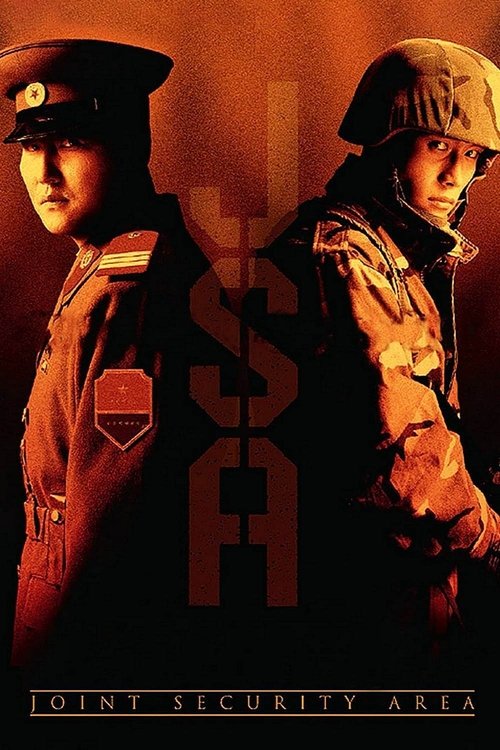
What events lead to the shooting incident at the Joint Security Area?
What is the significance of the friendship between the North and South Korean soldiers?
How does the character of Major Kim change throughout the film?
What role does the setting of the Joint Security Area play in the story?
What are the motivations behind the actions of the North Korean soldiers during the incident?
Should I watch it?
Ask Your Own Question

What is the plot?
Sorry, we aren't able to watch and write up a full detailed plot yet. Check back in a few days.

What is the ending?
In the ending of "Joint Security Area," the truth about the events that transpired at the border between North and South Korea is revealed. The film concludes with the characters grappling with the consequences of their actions, leading to a poignant moment of understanding and loss.
As the film draws to a close, the narrative shifts to the aftermath of the investigation into the shooting incident at the Joint Security Area. The South Korean investigator, Major Sophie E. Jang, uncovers the complex relationships between the soldiers from both sides, particularly focusing on the bond formed between the South Korean soldier, Lee Soo-hyuk, and the North Korean soldier, Jung Woo-jin. The truth reveals that the soldiers had shared moments of camaraderie and friendship, which starkly contrasts with the political tensions surrounding them.
In a final confrontation, the film reveals that the shooting was not a simple act of aggression but rather a tragic misunderstanding fueled by fear and the harsh realities of their divided nations. The emotional weight of the soldiers' experiences culminates in a scene where Lee Soo-hyuk, now aware of the depth of their connection, reflects on the futility of the conflict. The film ends with a sense of unresolved tension, as the characters are left to ponder the cost of their loyalty to their respective countries versus their humanity towards one another.
Expanding on the ending in a chronological and narrative fashion:
As the investigation unfolds, Major Jang meticulously pieces together the events leading to the fateful night at the Joint Security Area. The scene shifts to a flashback, where we see Lee Soo-hyuk and Jung Woo-jin meeting in secret, sharing laughter and stories, their camaraderie blossoming amidst the backdrop of a heavily militarized zone. The stark contrast between their friendly interactions and the looming threat of their respective governments creates a palpable tension.
In the present, Major Jang interviews the surviving witnesses, each recounting their version of the events. The emotional weight of their testimonies reveals the deep-seated fears and prejudices that have been ingrained in them due to the ongoing conflict. As she listens, Jang's own understanding of the soldiers' humanity deepens, and she begins to empathize with their plight.
The narrative then shifts to the climactic moment of the shooting. The audience is taken back to the night when the soldiers, caught in a moment of panic, mistakenly believe they are under attack. The chaos of gunfire erupts, and the scene is filled with the sounds of bullets and the cries of the soldiers. In the midst of the chaos, Lee Soo-hyuk and Jung Woo-jin's bond is tested as they find themselves on opposite sides of a tragic misunderstanding.
As the dust settles, the aftermath reveals the consequences of their actions. Lee Soo-hyuk is left grappling with the guilt of having shot Jung Woo-jin, who lies wounded. The emotional turmoil is palpable as Lee reflects on the friendship they shared, now overshadowed by the violence of their circumstances. Jung Woo-jin, despite his injuries, expresses a desire for peace, highlighting the futility of the conflict that has torn them apart.
In the final scenes, Major Jang presents her findings, revealing the truth to the higher authorities. The weight of her discovery hangs heavy in the air, as she understands that the soldiers' lives have been irrevocably changed by the war. The film closes with a poignant moment of silence, as the characters are left to confront the reality of their divided nations and the personal sacrifices they have made.
Lee Soo-hyuk is left to live with the burden of his actions, while Jung Woo-jin's fate remains uncertain, symbolizing the ongoing struggle for understanding and reconciliation between the two Koreas. The film ends on a note of somber reflection, emphasizing the human cost of conflict and the fragile nature of peace.
Is there a post-credit scene?
In the movie "Joint Security Area," there is no post-credit scene. The film concludes with a poignant and reflective ending that encapsulates the themes of friendship, division, and the tragic consequences of conflict. After the intense and emotional climax, the story leaves viewers with a sense of unresolved tension and contemplation about the nature of the Korean divide, but it does not include any additional scenes after the credits. The focus remains on the narrative's exploration of the characters' relationships and the impact of their actions within the context of the Korean Demilitarized Zone.
What events lead to the shooting incident at the Joint Security Area?
The shooting incident at the Joint Security Area occurs when two North Korean soldiers, Lee Soo-hyuk and his comrade, encounter a South Korean soldier, Jung Woo-jin, during a tense standoff. The situation escalates when Jung, while on patrol, accidentally crosses the border into North Korea, leading to a confrontation that results in gunfire. The incident is pivotal as it sets off the investigation into the circumstances surrounding the deaths of the soldiers.
What is the significance of the friendship between the North and South Korean soldiers?
The friendship between the North Korean soldier Lee Soo-hyuk and the South Korean soldier Jung Woo-jin is central to the narrative. Despite the political tensions and the division of their countries, they form a bond over shared experiences and mutual understanding. This relationship highlights the human aspect of the conflict, showcasing their desire for connection and peace amidst the hostility, which ultimately complicates the investigation into the shooting.
How does the character of Major Kim change throughout the film?
Major Kim, who is tasked with investigating the shooting incident, begins as a staunch representative of the military and the division between North and South Korea. As he delves deeper into the investigation, he uncovers the truth about the soldiers' friendship and the circumstances of the incident. This journey leads him to question his own beliefs and the rigid ideologies he has upheld, resulting in a more nuanced understanding of the conflict and the individuals involved.
What role does the setting of the Joint Security Area play in the story?
The Joint Security Area serves as a physical and symbolic backdrop for the film. It represents the division between North and South Korea, a place where soldiers from both sides stand face-to-face yet remain separated by ideology and conflict. The stark contrast of the military presence and the serene landscape amplifies the tension and the tragic nature of the soldiers' interactions, making it a crucial element in the unfolding drama and the exploration of human connection.
What are the motivations behind the actions of the North Korean soldiers during the incident?
The motivations of the North Korean soldiers, particularly Lee Soo-hyuk, during the incident stem from a mix of duty, fear, and a desire for understanding. Lee is initially driven by his loyalty to his country and the orders he receives, but as the situation escalates, his humanity and the bond he shares with Jung come into play. His actions reflect the internal conflict between his military obligations and his personal feelings, ultimately leading to tragic consequences.
Is this family friendly?
"Joint Security Area," directed by Park Chan-wook, is a film that deals with complex themes of war, division, and human connection, set against the backdrop of the Korean Demilitarized Zone. While it is a critically acclaimed film, it contains several elements that may not be suitable for children or sensitive viewers.
-
Violence: The film includes scenes of gunfire and violence, particularly during the pivotal moments of conflict between North and South Korean soldiers. These scenes can be intense and graphic.
-
Death: The film addresses the consequences of violence, including the deaths of characters, which may be distressing for younger viewers.
-
Emotional Trauma: Characters experience significant emotional pain and trauma related to their experiences in the military and the division of their country, which may be heavy for sensitive audiences.
-
Political Tension: The film explores themes of political conflict and the harsh realities of life in a divided nation, which may be complex and difficult for younger viewers to understand.
-
Mature Themes: The narrative delves into themes of friendship, betrayal, and the impact of war on personal relationships, which may be more suitable for older teens and adults.
Overall, while "Joint Security Area" is a powerful exploration of human emotions and relationships, its content may not be appropriate for a family-friendly viewing experience.









