


Popular
Who were the most notable celebrity guests featured on Hollywood Squares in 1966?
What role did Paul Lynde play in the dynamics of the game?
How did the game mechanics of Hollywood Squares work in 1966?
What types of questions were typically asked of the celebrities?
How did the audience react to the humor and banter among the celebrities?
Should I watch it?
Ask Your Own Question

What is the plot?
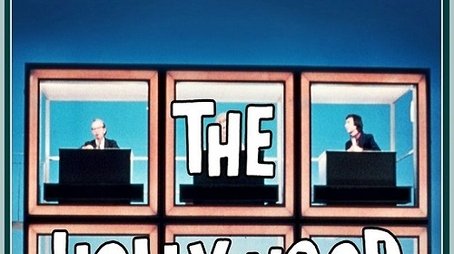
"Hollywood Squares," produced in 1966, is a television game show rather than a narrative with a plot in the traditional sense. The show features a panel of celebrities arranged in a tic-tac-toe grid, where contestants answer questions posed to the celebrities. The primary goal for contestants is to create a line of three squares, either horizontally, vertically, or diagonally, by correctly answering questions and challenging the celebrities' answers.
The show begins with the host introducing the celebrity panel, which typically includes well-known figures from television, film, and music. The atmosphere is lively, with the host engaging in banter with the celebrities, setting a light-hearted tone for the game.
Contestants are introduced next, usually consisting of two players who compete against each other. Each contestant selects a celebrity from the grid to answer a question. The host reads the question aloud, and the selected celebrity provides their answer, which may be serious or humorous. The contestant must then decide whether to agree or disagree with the celebrity's answer.
As the game progresses, contestants take turns selecting celebrities and answering questions. The questions cover a wide range of topics, often incorporating pop culture references and trivia. The celebrities' responses can lead to comedic moments, as they sometimes provide incorrect or exaggerated answers, adding to the entertainment value of the show.
Throughout the game, the contestants strategize on how to place their marks (X or O) on the grid. They must consider not only the answers given by the celebrities but also the potential moves of their opponent. The tension builds as each contestant attempts to outsmart the other, leading to moments of excitement and suspense.
When a contestant successfully creates a line of three squares, they win that round. The show typically consists of multiple rounds, with the contestants accumulating points. The host announces the winner of each round, and the audience reacts with applause and cheers.
In the final segment of the show, the winning contestant may have the opportunity to play for a grand prize in a bonus round. This round often involves answering a series of rapid-fire questions, with the contestant needing to respond quickly and accurately to win additional prizes.
The show concludes with the host thanking the celebrities and contestants, and the audience is encouraged to tune in for the next episode. The overall experience is characterized by humor, celebrity interactions, and the thrill of competition, making "Hollywood Squares" a memorable part of television history.









What is the ending?
"Hollywood Squares," produced in 1966, does not have a traditional narrative structure with a defined ending like a movie or a scripted drama. Instead, it is a game show format featuring a panel of celebrities answering questions, with contestants trying to win by creating a tic-tac-toe pattern on a game board. Each episode concludes with a winner, but there is no overarching story or character development that leads to a specific ending.
In a typical episode's conclusion, the host, Peter Marshall, would announce the winning contestant after the final round of questions. The winning contestant would celebrate their victory, often with a prize reveal, while the losing contestant would graciously accept their defeat. The celebrities would share light-hearted banter, and the atmosphere would be filled with laughter and camaraderie. The show would end with the host thanking the audience and inviting them to tune in for the next episode.
In a more detailed narrative of a typical episode's ending:
As the final round of "Hollywood Squares" unfolds, the tension in the studio is palpable. The camera pans across the faces of the contestants, their expressions a mix of excitement and anxiety. The host, Peter Marshall, stands at the center of the stage, his charismatic smile reassuring the audience. The game board, a vibrant grid of squares filled with the faces of beloved celebrities, glows under the studio lights.
The final question is posed to the celebrity in the top square, a well-known actor whose charm has captivated the audience throughout the episode. The question is tricky, and the celebrity pauses, a playful glint in their eye as they consider their answer. The audience leans in, holding their breath in anticipation. After a moment, the celebrity delivers their answer with confidence, and the crowd erupts in applause.
The contestant, a young woman with bright eyes and a hopeful demeanor, has been trailing behind but is determined to make a comeback. She listens intently, weighing her options. With a deep breath, she decides to trust the celebrity's answer, marking her square on the board. The tension builds as Peter Marshall reveals the correct answer, and the audience gasps collectively. The contestant's face lights up with joy as she realizes she has won the game, completing her tic-tac-toe pattern.
The camera captures her jubilant reaction, her hands flying to her face in disbelief. The losing contestant, a middle-aged man with a friendly smile, congratulates her, embodying the spirit of sportsmanship that permeates the show. Peter Marshall invites the winner to come forward, and she is showered with confetti as the audience cheers.
As the episode draws to a close, the winning contestant is presented with her prizes, which include a trip and various gifts, her excitement palpable as she thanks the celebrities and the audience. The celebrities share their own reactions, some playfully teasing the losing contestant, while others express genuine happiness for the winner.
Peter Marshall wraps up the show with his signature charm, thanking the audience for tuning in and encouraging them to join for the next episode. The camera zooms out, capturing the vibrant set filled with laughter and applause, a fitting end to a lively and entertaining game show. The credits roll, and the screen fades to black, leaving viewers with a sense of joy and anticipation for the next round of fun.
Is there a post-credit scene?
The television show "Hollywood Squares," which premiered in 1966, did not feature post-credit scenes. The format of the show was a game show where celebrities sat in a giant tic-tac-toe board, and contestants would ask them questions to determine whether their answers were correct. Each episode concluded with the game results and a brief wrap-up, but there were no additional scenes or content after the credits rolled. The focus was primarily on the game and the interactions between the contestants and the celebrity panelists, rather than on any narrative that would require a post-credit scene.
Who were the most notable celebrity guests featured on Hollywood Squares in 1966?
The show featured a variety of notable celebrity guests, including Paul Lynde, who became one of the most iconic figures on the show, known for his sharp wit and humor. Other celebrities included Joan Rivers, who brought her comedic flair, and the likes of Phyllis Diller and George Gobel, who added to the star-studded lineup.
What role did Paul Lynde play in the dynamics of the game?
Paul Lynde served as the center square, a position that allowed him to be the focal point of the game. His quick wit and comedic timing often influenced the tone of the show, making him a beloved character who frequently delivered humorous quips and memorable one-liners.
How did the game mechanics of Hollywood Squares work in 1966?
The game mechanics involved two contestants competing to win squares on a tic-tac-toe board by answering questions posed to the celebrity panel. Contestants had to determine whether the celebrities' answers were correct or incorrect, adding a layer of strategy and humor to the gameplay.
What types of questions were typically asked of the celebrities?
The questions posed to the celebrities ranged from pop culture references to humorous trivia, often designed to elicit funny or unexpected responses. For example, questions might involve quirky facts about everyday life or playful inquiries about celebrity lifestyles.
How did the audience react to the humor and banter among the celebrities?
The audience often reacted with laughter and applause, fully engaging with the humor and banter that unfolded during the show. The chemistry between the celebrities, especially with Paul Lynde's comedic style, created a lively atmosphere that resonated with viewers.
Is this family friendly?
"Hollywood Squares," produced in 1966, is primarily a game show that features a panel of celebrities answering questions in a humorous and light-hearted manner. The show is designed to be family-friendly, with a focus on entertainment and comedy.
However, there are a few aspects that might be considered potentially objectionable or upsetting for children or sensitive viewers:
-
Sarcasm and Double Entendres: Some of the humor relies on sarcasm and playful innuendos, which may go over the heads of younger viewers but could be interpreted as inappropriate by more sensitive audiences.
-
Celebrity Personalities: The celebrities on the show often have distinct personalities, and their comedic styles can vary. Some may use humor that is more edgy or risqué, which might not resonate well with all viewers.
-
Cultural References: The show includes references to contemporary culture and events from the 1960s, which may not be understood by younger audiences today, potentially leading to confusion or disconnection.
-
Competitive Nature: The competitive aspect of the game can sometimes lead to tension, though it is generally light-hearted. However, the pressure to win might be stressful for some viewers.
Overall, while "Hollywood Squares" is intended for a broad audience and maintains a comedic tone, parents may want to preview episodes to ensure they align with their family's values and sensitivities.