


Popular
What recurring characters are featured in The Carol Burnett Show and what are their roles?
What is the significance of the 'The Family' sketches in the show?
How does Carol Burnett's character interact with guest stars on the show?
What are some memorable sketches from the show that feature physical comedy?
What role does music play in The Carol Burnett Show, and how do characters use it in sketches?
Should I watch it?
Ask Your Own Question

What is the plot?
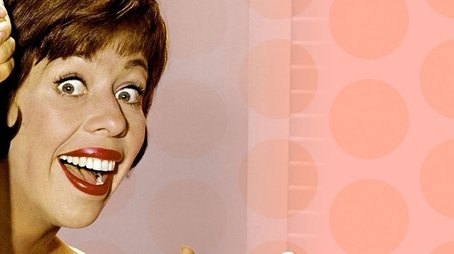
The Carol Burnett Show, which premiered in 1967, is a sketch comedy variety show featuring a series of comedic skits, musical performances, and guest appearances. Each episode typically follows a loose structure, with various segments that include recurring characters and original sketches.
In the first segment of an episode, Carol Burnett often opens with a monologue, engaging the audience with humorous anecdotes and observations about everyday life. She sets the tone for the show, showcasing her comedic timing and ability to connect with the audience. The laughter builds as she shares personal stories, often involving her family or her experiences in Hollywood.
Following the monologue, the show transitions into a sketch. One popular recurring sketch features the character of "Mrs. Wiggins," played by Carol Burnett, who works in an office alongside her boss, Mr. Tudball, portrayed by Tim Conway. In this sketch, Mrs. Wiggins is often portrayed as clumsy and oblivious, leading to a series of misunderstandings and comedic mishaps. The scene unfolds with Mr. Tudball trying to maintain order in the office while Mrs. Wiggins inadvertently creates chaos, such as spilling coffee or misplacing important documents. The physical comedy escalates as Mr. Tudball's frustration grows, and the audience is treated to a delightful back-and-forth exchange filled with witty banter.
Another segment might feature a parody of a popular television show or movie. For instance, a sketch could spoof a well-known soap opera, with Carol and her cast members dramatically overacting in exaggerated scenarios. The characters might find themselves in ludicrous situations, such as a love triangle involving mistaken identities or outrageous plot twists. The humor is heightened by the actors' commitment to their roles, with exaggerated facial expressions and melodramatic dialogue that elicits laughter from the audience.
Musical performances are also a staple of the show. In one segment, Carol might perform a song, showcasing her vocal talent while incorporating humor into the performance. The staging is often colorful and lively, with backup dancers and elaborate costumes that enhance the entertainment value. The audience is captivated by her charisma and ability to blend comedy with music seamlessly.
As the show progresses, guest stars frequently make appearances. These guests, who range from famous actors to musicians, join in on the sketches, adding an element of surprise and excitement. The chemistry between Carol and her guests is palpable, as they engage in playful banter and collaborate on comedic bits. The interactions often lead to unexpected moments, such as a guest forgetting their lines or breaking character, which only adds to the charm of the show.
In the final segment of the episode, Carol often brings back a beloved character or sketch for a grand finale. This could involve a reunion of characters from earlier sketches, culminating in a humorous resolution to the chaos that ensued throughout the episode. The energy is high, and the audience is left with a sense of joy and laughter as the show wraps up.
Throughout the episode, the pacing is dynamic, with quick transitions between sketches and musical numbers. The laughter is infectious, and the camaraderie among the cast members is evident, creating a warm and inviting atmosphere that keeps viewers engaged. The Carol Burnett Show remains a beloved classic, showcasing the brilliance of its cast and the timeless nature of its humor.








What is the ending?
The Carol Burnett Show, which premiered in 1967, is a sketch comedy variety show rather than a traditional narrative with a singular ending. Each episode features a series of comedic sketches, musical performances, and guest appearances, culminating in a finale that often includes a humorous or heartfelt moment. The show does not have a conventional plot with a defined ending, as it is structured around various skits and characters that change from week to week.
In a typical episode, the ending often features Carol Burnett and her cast, including Vicki Lawrence, Harvey Korman, and Tim Conway, engaging in a light-hearted closing segment. This may involve a comedic recap of the sketches, a musical number, or a playful interaction among the cast members. The atmosphere is usually joyful, with laughter and camaraderie, leaving the audience with a sense of warmth and entertainment.
In a more detailed narrative of a typical episode's ending:
As the final sketch concludes, the stage lights dim slightly, and the audience erupts into applause. Carol Burnett, dressed in a vibrant costume, steps forward with a beaming smile, her eyes sparkling with the thrill of performance. She thanks the audience for their laughter and support, her voice filled with genuine appreciation.
Vicki Lawrence, in her character's flamboyant attire, joins Carol on stage, playfully nudging her as they exchange banter about the evening's sketches. The camaraderie between them is palpable, showcasing their long-standing friendship and the joy they find in performing together.
Harvey Korman, with his signature charm, steps in next, adding a humorous quip about one of the sketches, eliciting more laughter from the audience. His expressive face and comedic timing highlight his love for the craft, and he shares a knowing glance with Carol, reflecting their shared experiences on the show.
Tim Conway, known for his ability to make even the simplest lines hilarious, enters the scene last. He pretends to trip over a prop, causing the audience to erupt in laughter once more. His playful antics and childlike enthusiasm bring a lightness to the moment, and he engages in a mock argument with Carol about who had the best performance of the night.
As the cast gathers together, they take a bow, arms linked, their faces glowing with the joy of a successful show. The camera zooms out, capturing the entire ensemble as they wave to the audience, who are still cheering and clapping. The lights begin to fade, and the familiar theme music starts to play, signaling the end of the episode.
In this moment, the characters are not just performers; they are friends who have shared laughter and creativity, leaving the audience with a sense of connection and joy. Each character, in their own way, has contributed to the evening's entertainment, and as they exit the stage, they embody the spirit of the show: a celebration of humor, friendship, and the joy of performance.
The episode concludes with a final shot of Carol, her smile wide, as she turns to the camera and says, "Goodnight!" The screen fades to black, leaving viewers with a warm feeling, eager for the next episode.
Is there a post-credit scene?
The Carol Burnett Show, which premiered in 1967, did not typically feature post-credit scenes as part of its format. The show was structured around a variety of sketches, musical numbers, and comedic performances, often concluding with a final sketch or a musical number before the credits rolled.
In the final moments of each episode, Carol Burnett would often engage with the audience, sometimes sharing a humorous anecdote or a light-hearted moment with her cast members, which could feel like a closing scene. However, these interactions were not post-credit scenes in the traditional sense, as they occurred before the credits began to roll.
The show was known for its comedic sketches and memorable characters, and while it often left viewers with a sense of joy and laughter, it did not include additional scenes after the credits. The focus remained on delivering a complete and entertaining experience within the main body of the episode.
What recurring characters are featured in The Carol Burnett Show and what are their roles?
The Carol Burnett Show features several recurring characters, including Carol Burnett as the titular character, who often portrays a variety of comedic roles. One of the most beloved characters is Eunice, a troubled daughter in the sketch 'The Family,' who often clashes with her mother, played by Vicki Lawrence. Tim Conway frequently plays bumbling characters, such as the old man or the inept dentist, while Harvey Korman often portrays pompous figures, adding to the comedic tension. Each character brings a unique dynamic to the sketches, showcasing their individual quirks and motivations.
What is the significance of the 'The Family' sketches in the show?
'The Family' sketches are a hallmark of The Carol Burnett Show, featuring the dysfunctional family led by Eunice, played by Carol Burnett. The sketches often revolve around family gatherings that spiral into chaos, highlighting the comedic yet poignant struggles of familial relationships. The characters, including Eunice's overbearing mother and her hapless husband, create a relatable yet exaggerated portrayal of family life, filled with misunderstandings and emotional outbursts that resonate with audiences.
How does Carol Burnett's character interact with guest stars on the show?
Carol Burnett's character often interacts with guest stars in a way that highlights her improvisational skills and comedic timing. In various sketches, she engages with the guest stars, such as Lucille Ball or Betty White, creating a dynamic that blends their unique styles with her own. These interactions often lead to unexpected comedic moments, as Burnett's character navigates the absurd situations they find themselves in, showcasing her ability to adapt and enhance the humor of the scene.
What are some memorable sketches from the show that feature physical comedy?
The Carol Burnett Show is renowned for its physical comedy, with memorable sketches such as 'The Dentist' featuring Tim Conway as a bumbling dentist who causes chaos during a routine procedure. Another iconic sketch is 'The Charwoman,' where Carol Burnett portrays a cleaning lady who gets caught up in various mishaps, showcasing her slapstick abilities. These sketches often rely on exaggerated physicality, facial expressions, and timing, creating laugh-out-loud moments that highlight the cast's comedic talents.
What role does music play in The Carol Burnett Show, and how do characters use it in sketches?
Music plays a significant role in The Carol Burnett Show, often used to enhance the comedic effect of sketches. Characters frequently break into song, either to express their emotions or to parody popular songs of the time. For instance, Carol Burnett and her cast might perform humorous musical numbers that comment on the sketch's theme, adding a layer of entertainment. The integration of music allows for a seamless blend of comedy and performance, showcasing the cast's versatility and engaging the audience in a lively manner.
Is this family friendly?
The Carol Burnett Show, which premiered in 1967, is generally considered family-friendly, showcasing a variety of comedic sketches, musical numbers, and guest appearances. However, there are a few aspects that might be considered potentially objectionable or upsetting for children or sensitive viewers:
-
Satirical Humor: Some sketches employ satire that may touch on adult themes or societal issues, which could be confusing for younger audiences.
-
Physical Comedy: The show often features slapstick humor, which can include exaggerated falls or mishaps that might be alarming to very young children.
-
Parody of Sensitive Topics: Certain sketches may parody serious subjects, such as relationships or family dynamics, which could be interpreted differently by children or those sensitive to such themes.
-
Costume and Makeup: Some characters may wear costumes or makeup that could be perceived as frightening or overly exaggerated, particularly in comedic portrayals of villains or eccentric characters.
-
Mild Language: While the show is not known for profanity, there may be occasional mild language or innuendos that could be inappropriate for very young viewers.
Overall, while The Carol Burnett Show is designed to entertain a broad audience, parents may want to preview certain episodes to ensure they align with their family's viewing preferences.