


Popular
What is the significance of the ducks in Tony Soprano's dream?
How does the relationship between Tony Soprano and Dr. Melfi evolve throughout the series?
What role does the character of Carmela Soprano play in Tony's life and the series?
What is the impact of the character Christopher Moltisanti on Tony's life and the organization?
How does the character of Uncle Junior influence the dynamics within the Soprano family?
Should I watch it?
Ask Your Own Question

What is the plot?
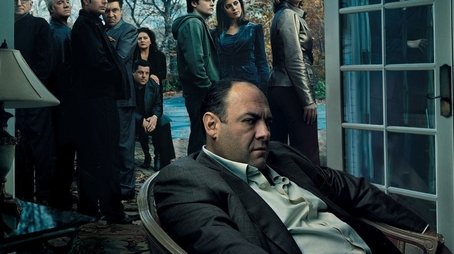
In the pilot episode, we are introduced to Tony Soprano, a New Jersey mob boss, who is struggling with anxiety attacks. He seeks therapy from Dr. Jennifer Melfi after a panic attack at a family event. During his sessions, he reveals his complicated family dynamics, including his overbearing mother, Livia, and his uncle, Junior, who is vying for power within the mob. Tony's life is further complicated by his relationship with his wife, Carmela, and his children, Meadow and Anthony Jr.
Tony's criminal activities are showcased as he deals with a waste management business that serves as a front for his illegal operations. He has a confrontation with a rival gang member, which establishes his dominance. Meanwhile, Tony's relationship with Dr. Melfi deepens as he opens up about his childhood and the pressures of being a mob boss. He struggles to balance his criminal life with his family responsibilities.
As the season progresses, Tony's mother, Livia, becomes increasingly manipulative, expressing her disdain for Tony's lifestyle and attempting to undermine him. Tony learns that she has been plotting with Junior, who is planning to have Tony killed. This betrayal leads to a tense confrontation between Tony and Junior, where Tony asserts his authority and warns Junior against crossing him.
Tony's relationship with Dr. Melfi continues to evolve, and he begins to develop feelings for her, complicating their professional dynamic. He also faces challenges from within his crew, particularly from his cousin Christopher Moltisanti, who is eager to prove himself but often makes reckless decisions. This culminates in a violent confrontation with a rival gang, where Tony's leadership is put to the test.
In a pivotal moment, Tony's mother suffers a stroke, which leaves her incapacitated. This event forces Tony to confront his feelings about her and their tumultuous relationship. He grapples with guilt and anger, reflecting on how her actions have shaped his life. As he navigates the fallout from her stroke, Tony's relationship with Dr. Melfi becomes more complex, as he seeks her guidance while also struggling with his feelings for her.
The season concludes with a violent showdown between Tony and Junior's crew, resulting in significant casualties. Tony's position as the head of the family is solidified, but the cost of his lifestyle becomes increasingly apparent. The final scenes depict Tony's internal conflict as he reflects on his choices, setting the stage for the ongoing struggles he will face in future seasons.








What is the ending?
The ending of The Sopranos is famously ambiguous, culminating in a scene at a diner where Tony Soprano and his family gather. As they wait for their food, various characters enter, and the tension builds. The screen suddenly cuts to black, leaving Tony's fate uncertain.
In a more detailed narrative, the final episode, titled "Made in America," begins with Tony Soprano dealing with the aftermath of the war with the New York families and the increasing pressure from law enforcement. The episode opens with Tony in a tense meeting with his crew, discussing the fallout from the recent events and the need to secure their operations. The atmosphere is thick with anxiety, reflecting Tony's internal struggle as he grapples with the threats surrounding him.
As the story unfolds, we see Tony's relationship with his family, particularly with his son A.J. and daughter Meadow. A.J. is struggling with his own identity and purpose, feeling lost and disillusioned. He has been dealing with depression and is trying to find his way in life, which adds to Tony's stress as a father. Meanwhile, Meadow is preparing for her medical school interviews, showcasing her ambition and desire to carve out a life separate from her father's criminal world.
The narrative shifts back to Tony's interactions with his crew, particularly with Paulie and Silvio. Paulie is increasingly paranoid and concerned about his standing within the family, while Silvio is recovering from a near-fatal gunshot wound. Their conversations reveal the fractures within the organization and the looming threat of betrayal.
As the episode progresses, Tony's sense of foreboding grows. He visits Dr. Melfi, his therapist, who has been a crucial figure throughout the series. Their session is tense, with Tony reflecting on his life choices and the consequences of his actions. Melfi's insights into his psyche highlight the internal conflict he faces as a mob boss and a family man.
The climax of the episode occurs when Tony decides to meet his family at a diner. The scene is meticulously crafted, with the camera capturing the mundane details of the diner--the jukebox playing "Don't Stop Believin'," the clinking of silverware, and the casual conversations of other patrons. As Tony waits for his family, the tension escalates with the arrival of various characters, including a suspicious man who enters the diner and sits at the counter, glancing at Tony.
Meadow struggles to find parking, adding to the suspense. The editing cuts between Tony's anxious expressions and the seemingly innocuous actions of the diner patrons, creating a palpable sense of dread. As the family finally gathers at the table, the camera focuses on Tony's face, reflecting a mix of determination and vulnerability.
Just as the moment seems to reach a climax, the screen abruptly cuts to black, leaving viewers in silence. The abrupt ending leaves Tony's fate ambiguous--whether he is killed or continues his life as a mob boss remains a mystery. The final scene encapsulates the series' exploration of family, loyalty, and the constant threat of violence that looms over Tony's life.
In terms of character fates, Tony's future is left unresolved, symbolizing the perpetual uncertainty of his existence. A.J. is still searching for his path, while Meadow is on the brink of a new chapter in her life. The other characters, like Paulie and Silvio, remain entrenched in the criminal world, facing their own challenges. The ending serves as a poignant reflection on the complexities of their lives, leaving viewers to ponder the implications of their choices and the nature of their reality.
Is there a post-credit scene?
The Sopranos does not have a traditional post-credit scene like many contemporary films or shows. The series finale, titled "Made in America," ends abruptly without a post-credit sequence.
In this final episode, the tension builds as Tony Soprano, played by James Gandolfini, faces increasing threats from rival factions and law enforcement. The episode culminates in a scene at a diner where Tony is waiting for his family to join him. As he sits in a booth, the camera captures various patrons, including a suspicious man who enters the diner. The atmosphere is thick with suspense, and the audience is left to ponder Tony's fate.
As the scene progresses, the iconic song "Don't Stop Believin'" by Journey plays in the background, enhancing the emotional weight of the moment. The screen suddenly cuts to black, leaving viewers in silence and uncertainty about what has happened to Tony. This abrupt ending has sparked extensive discussion and interpretation among fans and critics, but there are no additional scenes or resolutions following the credits.
What is the significance of the ducks in Tony Soprano's dream?
In the pilot episode, Tony Soprano experiences a dream where he sees ducks flying away from his backyard pool. This imagery symbolizes his fear of losing his family and the stability he has created. The ducks represent his children and the life he has built, and their departure reflects his anxiety about being unable to protect them from the dangers of his criminal lifestyle.
How does the relationship between Tony Soprano and Dr. Melfi evolve throughout the series?
Tony's relationship with Dr. Melfi begins with him being reluctant to open up about his feelings and vulnerabilities. As the series progresses, he becomes more comfortable sharing his thoughts, revealing his deep-seated fears and insecurities. However, their relationship is complicated by Tony's violent lifestyle and his feelings for her, leading to moments of tension and ethical dilemmas for Dr. Melfi.
What role does the character of Carmela Soprano play in Tony's life and the series?
Carmela Soprano is not only Tony's wife but also a complex character who grapples with her own moral dilemmas regarding Tony's criminal activities. Throughout the series, she oscillates between enjoying the material benefits of Tony's lifestyle and struggling with the ethical implications of his actions. Her character development highlights themes of loyalty, ambition, and the sacrifices made for family.
What is the impact of the character Christopher Moltisanti on Tony's life and the organization?
Christopher Moltisanti serves as Tony's protégé and cousin, embodying the struggles of ambition and addiction within the mob world. His desire to become a successful screenwriter often clashes with his loyalty to Tony and the family business. Christopher's journey reflects the challenges of balancing personal dreams with the expectations of mob life, ultimately leading to tragic consequences that deeply affect Tony.
How does the character of Uncle Junior influence the dynamics within the Soprano family?
Uncle Junior, or Corrado Soprano, is a significant figure in Tony's life, representing the old guard of the mob. His rivalry with Tony for power creates tension within the family and the organization. Junior's actions, including his attempts to undermine Tony, force Tony to navigate complex family loyalties and the shifting power dynamics of the mob, ultimately impacting his leadership and decisions.
Is this family friendly?
The Sopranos, produced in 1999, is not considered family-friendly due to its mature themes and content. Here are some potentially objectionable or upsetting aspects that may affect children or sensitive viewers:
-
Violence: The show features graphic depictions of violence, including shootings, beatings, and other forms of physical aggression that are central to the mob lifestyle.
-
Strong Language: Frequent use of profanity is prevalent throughout the series, reflecting the characters' rough backgrounds and emotional states.
-
Sexual Content: There are numerous scenes that include nudity, sexual situations, and discussions about sexual relationships, which may be inappropriate for younger audiences.
-
Substance Abuse: Characters frequently engage in drug and alcohol use, which is depicted in a realistic and sometimes troubling manner.
-
Mental Health Issues: The protagonist, Tony Soprano, struggles with anxiety and depression, leading to scenes that explore therapy and emotional turmoil, which may be distressing for some viewers.
-
Moral Ambiguity: The show delves into complex moral dilemmas, showcasing criminal behavior and the consequences of a life of crime, which may be unsettling for younger viewers.
-
Family Dysfunction: The portrayal of family dynamics is often fraught with tension, betrayal, and emotional conflict, which can be heavy and difficult to watch.
These elements contribute to the show's mature rating and make it more suitable for adult audiences.