


Popular
What are the main characteristics of Steve Douglas as a father?
How does the character of Mike Douglas evolve throughout the series?
What role does the character of Uncle Charley play in the family dynamics?
What are some significant plotlines involving Robbie Douglas and his romantic interests?
How does Chip Douglas's character contribute to the family dynamic?
Should I watch it?
Ask Your Own Question

What is the plot?
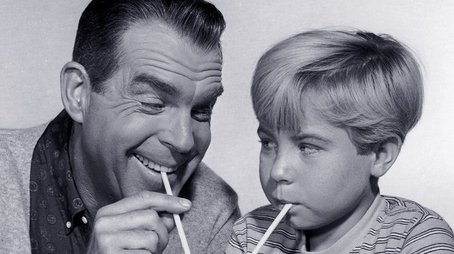
"My Three Sons" follows the life of Steve Douglas, a widowed father raising his three sons: Mike, Robbie, and Chip. The series begins with Steve, a successful aeronautical engineer, navigating the challenges of single parenthood while balancing his career and family life.
In the pilot episode, Steve is introduced as a dedicated father who is trying to manage his household with the help of his father-in-law, Bub, who lives with them. The boys are shown to have distinct personalities: Mike, the eldest, is a teenager with a budding interest in girls and independence; Robbie, the middle child, is more sensitive and often caught between his brothers; and Chip, the youngest, is innocent and playful. The dynamics of their relationships are established early on, showcasing the typical sibling rivalries and camaraderie.
As the series progresses, various episodes explore the everyday challenges of raising three boys. In one episode, Steve decides to take the boys on a camping trip to bond and teach them survival skills. The trip is filled with humorous mishaps, such as setting up the tent and cooking over a campfire, which leads to a series of comedic events, including a bear encounter that frightens the boys. Through these experiences, Steve's patience and love for his sons shine through, highlighting his role as both a father and a mentor.
In another significant episode, Mike faces the pressures of high school and his first serious relationship. He struggles with balancing his studies and his girlfriend, leading to tension at home. Steve offers advice, sharing his own experiences from his youth, which helps Mike navigate his feelings. This subplot emphasizes the generational differences and the importance of communication between parents and children.
Robbie, often portrayed as the peacemaker, has his own storylines that delve into his aspirations and friendships. In one episode, he decides to start a lawn care business with his friends, but they face challenges when they realize the hard work involved. Steve supports Robbie by helping him with marketing ideas and teaching him about responsibility, reinforcing the father-son bond.
Chip, the youngest, often finds himself in humorous situations due to his naivety. In a memorable episode, he decides to run for class president, believing it will make him popular. His campaign is filled with innocent blunders, but ultimately, he learns valuable lessons about honesty and friendship, with Steve guiding him through the process.
Throughout the series, the character of Bub provides comic relief and wisdom, often clashing with Steve's modern parenting style. Their interactions highlight the generational gap and differing views on child-rearing, leading to humorous yet heartfelt moments.
As the seasons progress, the boys grow older, and their storylines evolve. Mike prepares for college, leading to emotional farewells and discussions about future aspirations. Robbie begins dating seriously, and his relationship dynamics become more complex, showcasing the challenges of young love. Chip continues to navigate childhood with innocence, often providing comic relief in the family.
The series also introduces various recurring characters, including girlfriends, teachers, and friends of the boys, who add depth to the storylines and further explore the themes of family, friendship, and growing up.
In the later seasons, the show addresses more mature themes, such as career choices and the boys' transitions into adulthood. Steve's character evolves as he contemplates dating again, leading to humorous and awkward situations as he tries to balance his role as a father with his personal life.
The series concludes with the boys having grown into young men, each pursuing their paths while maintaining their close-knit family bond. Steve reflects on the journey of raising his sons, filled with laughter, challenges, and love, encapsulating the essence of family life. The final scenes emphasize the importance of family support and the enduring relationships that have developed over the years, leaving a lasting impression of warmth and nostalgia.








What is the ending?
The ending of "My Three Sons" features the family coming together to celebrate the marriage of Steve's son, Mike, to his fiancée, who has been a significant part of the family. The series concludes with a sense of unity and love, showcasing the growth of the characters and their relationships over the years.
In the final episode, titled "The Last of the Big Spenders," the scene opens in the Douglas household, where Steve Douglas, the patriarch, is preparing for a significant family event. The atmosphere is filled with excitement and a hint of nostalgia as the family gathers to celebrate Mike's wedding. The camera pans across the living room, capturing the familiar surroundings that have been a backdrop for many family moments throughout the series.
As the family members arrive, we see the three sons--Mike, Robbie, and Chip--each reflecting on their journey and the changes they have experienced. Mike, now a mature young man, is filled with anticipation and a touch of nervousness as he prepares to take this important step in his life. His brothers, Robbie and Chip, offer their support, showcasing the bond they have developed over the years. The warmth of their brotherly love is palpable, and it serves as a reminder of the strong family values that have been central to the show.
The scene shifts to the wedding venue, where friends and family gather to witness the union of Mike and his bride. The decorations are elegant, and the atmosphere is filled with joy and celebration. As the ceremony begins, Steve stands proudly, reflecting on the journey of raising his sons as a single father. His emotions are a mix of pride and bittersweet nostalgia, knowing that this moment signifies a new chapter for Mike and the family.
During the ceremony, the camera captures the expressions of the guests, highlighting the love and support surrounding the couple. The vows exchanged are heartfelt, and the moment is filled with laughter and tears of joy. As Mike and his bride share their first kiss as a married couple, the audience can feel the culmination of years of growth, love, and family unity.
Following the ceremony, the reception begins, and the family and friends celebrate the new couple. There are toasts filled with humor and heartfelt sentiments, showcasing the deep connections among the characters. Steve takes a moment to reflect on the importance of family, emphasizing the values he has instilled in his sons throughout their lives.
As the evening progresses, the camera captures various moments of joy, laughter, and dancing, symbolizing the happiness that comes from love and togetherness. The final scene features the entire family gathered together, smiling and embracing, a visual representation of the enduring bonds they have formed. The series concludes with a sense of hope and continuity, as the next generation begins their journey, while the Douglas family remains a strong and loving unit.
In the end, Steve Douglas, having successfully raised his three sons, stands as a proud father, knowing that they are ready to face the world. Mike embarks on a new adventure with his bride, while Robbie and Chip continue to support each other and their father. The series closes on a note of optimism, leaving viewers with a lasting impression of the importance of family, love, and the journey of life.
Is there a post-credit scene?
"My Three Sons," which aired from 1960 to 1972, did not feature post-credit scenes. The show typically concluded with a final scene that wrapped up the episode's storyline, followed by the credits. Each episode often ended on a light-hearted note, reflecting the show's family-oriented themes and comedic elements. The focus was primarily on the interactions and relationships among the characters, particularly the challenges and humorous situations faced by widower Steve Douglas and his three sons, Mike, Robbie, and Chip. The format adhered to traditional sitcom conventions of the time, which did not include post-credit sequences.
What are the main characteristics of Steve Douglas as a father?
Steve Douglas, portrayed by Fred MacMurray, is depicted as a loving, hardworking, and often humorous father. He is a widower raising three sons--Mike, Robbie, and Chip--while balancing his career as a successful advertising executive. His character often embodies the traditional values of the 1960s, emphasizing responsibility, integrity, and the importance of family. Steve's interactions with his sons reveal his nurturing side, as he provides guidance and support while also allowing them the freedom to grow and make their own mistakes.
How does the character of Mike Douglas evolve throughout the series?
Mike Douglas, the eldest son, begins the series as a teenager navigating the challenges of adolescence. As the series progresses, he matures into a young adult, facing issues such as college, relationships, and career choices. His character often grapples with the expectations of being the oldest sibling, balancing his desire for independence with his responsibilities to his family. Mike's evolution is marked by his romantic relationships, particularly with his girlfriend, and later wife, who add depth to his character and highlight his growth into adulthood.
What role does the character of Uncle Charley play in the family dynamics?
Uncle Charley, played by William Frawley, is introduced as a pivotal character who moves in with the Douglas family to help Steve raise his sons. His presence adds a layer of humor and warmth to the household. Charley often serves as a comic relief but also provides wisdom and guidance, acting as a surrogate grandfather figure. His interactions with the boys often reflect his old-fashioned values, and he frequently finds himself in humorous situations that highlight the generational differences between him and the younger characters.
What are some significant plotlines involving Robbie Douglas and his romantic interests?
Robbie Douglas, portrayed by Don Grady, experiences several significant romantic plotlines throughout the series. One of the most notable is his relationship with his girlfriend, who later becomes his wife, which showcases the challenges of young love and the transition into adulthood. Robbie's character often finds himself in comedic situations as he navigates dating, misunderstandings, and the expectations of his family. These plotlines not only provide humor but also explore themes of commitment and the complexities of relationships during the 1960s.
How does Chip Douglas's character contribute to the family dynamic?
Chip Douglas, the youngest son, played by Stanley Livingston, brings a sense of innocence and youthful exuberance to the family. His character often embodies the curiosity and mischief of childhood, leading to various comedic scenarios. Chip's interactions with his brothers and father highlight the protective and mentoring roles that Mike and Robbie take on. His character also serves as a bridge between the adult world and the perspective of a child, often asking questions that provoke deeper discussions about family values and relationships.
Is this family friendly?
"My Three Sons," which aired from 1960 to 1972, is generally considered a family-friendly show. It centers around the life of Steve Douglas, a widowed father raising his three sons--Mike, Robbie, and Chip--with the help of his father-in-law, Bub. The series emphasizes family values, humor, and the everyday challenges of parenting.
While the show is largely wholesome, there are a few aspects that might be considered potentially objectionable or upsetting for children or sensitive viewers:
-
Death of a Parent: The premise of the show revolves around Steve being a widower, which may evoke feelings of loss or sadness, particularly for children who have experienced similar situations.
-
Teenage Issues: As the boys grow older, they encounter typical teenage challenges, including dating, peer pressure, and conflicts with authority figures. Some of these scenarios may touch on themes of rebellion or disappointment.
-
Mild Conflicts: There are occasional disagreements and misunderstandings among family members, which could be unsettling for very young viewers who may not yet grasp the resolution of such conflicts.
-
Cultural References: Some jokes or references may be dated or not resonate with modern sensibilities, potentially leading to confusion or discomfort for contemporary audiences.
Overall, while there are moments that might evoke a range of emotions, the show maintains a light-hearted tone and ultimately promotes positive messages about family and relationships.