


Popular
What is the significance of the character Laura Petrie's fashion sense in the show?
How does Rob Petrie's job as a comedy writer influence the storylines in the show?
What role does the character of Buddy Sorrell play in Rob's life and career?
How does the relationship between Rob and Laura evolve throughout the series?
What comedic situations arise from Rob's interactions with his boss, Alan Brady?
Should I watch it?
Ask Your Own Question

What is the plot?
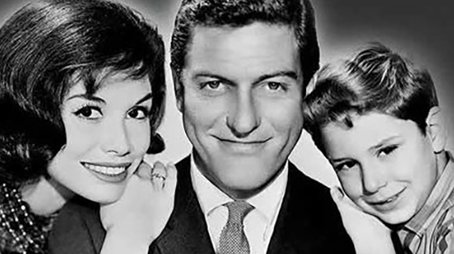
In the episode "The Sick Boy and the Sitter," the story begins with Rob Petrie, played by Dick Van Dyke, arriving home from work, visibly exhausted. He is greeted by his wife, Laura, portrayed by Mary Tyler Moore, who is in a cheerful mood. She informs him that their son, Richie, is sick and has a fever, which has led to a change in their evening plans. Rob is initially concerned about Richie but is also frustrated because he had been looking forward to a night out with Laura.
As the evening progresses, Rob's frustration grows when he learns that Laura has arranged for a babysitter, a young girl named Sally, to take care of Richie while they go out. Rob is skeptical about leaving Richie with a babysitter, especially since he feels that he should be the one to take care of him. Laura reassures him that Sally is responsible and capable, but Rob remains uneasy about the situation.
After some back-and-forth, Rob reluctantly agrees to go out with Laura, but he is still distracted by thoughts of Richie. They prepare to leave, and Rob keeps checking on Richie, who is sleeping soundly in his room. Laura tries to lighten the mood, but Rob's worry is palpable. He expresses his concerns about leaving Richie, and Laura tries to convince him that everything will be fine.
Once they leave the house, Rob's anxiety continues to build. They arrive at the restaurant, but Rob is unable to enjoy the evening. He keeps glancing at his watch and worrying about Richie. Laura notices Rob's distraction and tries to engage him in conversation, but he is preoccupied with thoughts of their son. Eventually, Rob decides that he cannot stay out any longer and insists that they return home.
Upon returning home, Rob and Laura find that Richie is still asleep, and Sally is watching television in the living room. Rob is relieved to see that everything is fine, but he is still on edge. He thanks Sally for taking care of Richie and expresses his gratitude. However, as they settle back in, Rob's overprotective nature leads him to check on Richie again, even though Laura reassures him that the babysitter is doing a great job.
The episode takes a comedic turn when Rob's overprotectiveness leads to a series of misunderstandings and humorous situations. He becomes increasingly paranoid about the babysitter and starts imagining worst-case scenarios. Laura, trying to calm him down, suggests that he should trust Sally and let her do her job. Rob struggles with this idea, torn between his instincts as a father and his desire to enjoy a night out with his wife.
As the night progresses, Rob's antics become more exaggerated. He sneaks around the house, peeking into rooms and trying to catch Sally in the act of doing something wrong. This leads to a series of slapstick moments, including Rob accidentally knocking over furniture and making noise, which causes Laura to become frustrated with his behavior.
Finally, after a series of comedic mishaps, Rob realizes that his fears were unfounded. He sees that Sally is indeed responsible and that Richie is perfectly fine. This moment of clarity allows Rob to relax and enjoy the rest of the evening with Laura. They share a laugh over the absurdity of the situation, and Rob acknowledges that he needs to trust others to help him.
The episode concludes with Rob and Laura finally settling down for the night, feeling relieved and grateful for their family. Rob reflects on his overprotectiveness and learns to let go a little, while Laura expresses her appreciation for his love and concern. The couple shares a tender moment, reinforcing their bond as partners and parents.








What is the ending?
The Dick Van Dyke Show does not have a traditional ending as it is a sitcom that aired from 1961 to 1966, concluding with its final episode titled "The Last Chapter." In this episode, Rob and Laura Petrie reflect on their life together and the changes that have occurred over the years, culminating in a heartfelt farewell to their friends and colleagues.
In the final episode, titled "The Last Chapter," the story begins with Rob and Laura Petrie packing up their home in New Rochelle, New York, as they prepare to move to a new house. The scene is filled with nostalgia as they sift through old belongings, reminiscing about their life together. The living room is cluttered with boxes, and the atmosphere is bittersweet, filled with both excitement for the future and sadness for what they are leaving behind.
As they pack, Rob and Laura share fond memories of their time in the house, recalling various humorous and poignant moments from their lives. The couple's chemistry is palpable, showcasing their deep love and understanding of one another. Rob expresses his apprehension about leaving the familiar behind, while Laura reassures him that their memories will always be with them, no matter where they go.
The scene shifts to the living room where their friends, including Buddy Sorrell and Sally Rogers, arrive to help with the move. The camaraderie among the group is evident, and they engage in light-hearted banter, reflecting the strong bonds they have formed over the years. Buddy, with his typical humor, tries to lighten the mood, while Sally expresses her sadness at the thought of losing her close friends.
As the packing continues, Rob and Laura take a moment to reflect on their journey together. They discuss their hopes and dreams for the future, revealing their excitement about the new chapter in their lives. However, there is an underlying sense of loss as they acknowledge the end of an era.
In a poignant moment, Rob and Laura share a dance in their living room, surrounded by boxes. This scene encapsulates their love and the memories they have created in that space. The music plays softly, and they move together, lost in their own world, momentarily forgetting the chaos of packing.
The final scenes depict the couple saying goodbye to their friends. There are heartfelt hugs and promises to stay in touch, emphasizing the importance of friendship and the connections they have built. Each character expresses their affection for Rob and Laura, highlighting the impact they have had on one another's lives.
As the episode concludes, Rob and Laura step out of their home for the last time, locking the door behind them. They share a final glance at the house, filled with memories, before walking away hand in hand, ready to embrace their new adventure together. The screen fades to black, leaving viewers with a sense of closure and warmth, as the couple embarks on the next chapter of their lives, together.
In summary, the fate of the main characters is one of transition and growth. Rob and Laura Petrie are moving forward into a new home, symbolizing their evolving relationship and the journey of life. Buddy and Sally remain supportive friends, embodying the enduring nature of their friendships. The episode encapsulates themes of love, nostalgia, and the bittersweet nature of change, leaving a lasting impression on the audience as the series comes to a close.
Is there a post-credit scene?
The Dick Van Dyke Show, which aired in 1961, did not feature post-credit scenes as a standard practice. The format of the show typically concluded with the final scene of the episode, followed by the credits rolling without any additional content afterward. Each episode wrapped up its storyline within the main narrative, focusing on the comedic and heartfelt moments between characters like Rob Petrie, Laura, and their friends and colleagues. The show maintained a traditional sitcom structure, prioritizing the main plot and character development over post-credit sequences.
What is the significance of the character Laura Petrie's fashion sense in the show?
Laura Petrie's fashion sense is a significant aspect of her character, reflecting the 1960s style and the evolving role of women during that era. Her outfits, often designed by the renowned costume designer, are vibrant and stylish, showcasing her personality as a modern housewife who is both fashionable and relatable. The way she dresses often mirrors her emotional state and the situations she finds herself in, from playful and flirty to serious and contemplative.
How does Rob Petrie's job as a comedy writer influence the storylines in the show?
Rob Petrie's job as a comedy writer serves as a central plot device that drives many episodes. His experiences in the writers' room, filled with quirky colleagues like Buddy Sorrell and Sally Rogers, provide a backdrop for comedic situations and conflicts. The creative process, including brainstorming sessions and the challenges of meeting deadlines, often leads to humorous misunderstandings and showcases the dynamics of collaboration, reflecting the pressures and joys of the entertainment industry.
What role does the character of Buddy Sorrell play in Rob's life and career?
Buddy Sorrell, portrayed by Morey Amsterdam, is Rob's best friend and co-worker, providing comic relief and a contrasting personality to Rob's more serious demeanor. His quick wit and penchant for one-liners often lighten the mood, while his loyalty and support help Rob navigate the ups and downs of his career. Buddy's interactions with Rob reveal deeper themes of friendship, collaboration, and the importance of having a confidant in both personal and professional spheres.
How does the relationship between Rob and Laura evolve throughout the series?
The relationship between Rob and Laura Petrie evolves significantly throughout the series, showcasing the complexities of marriage. Initially, they are portrayed as a loving couple who share a playful banter and deep affection. As the series progresses, they face various challenges, including misunderstandings and external pressures, which test their bond. However, their ability to communicate, support each other, and find humor in their struggles ultimately strengthens their relationship, highlighting the importance of partnership in marriage.
What comedic situations arise from Rob's interactions with his boss, Alan Brady?
Rob's interactions with his boss, Alan Brady, played by Carl Reiner, often lead to comedic situations that highlight the power dynamics in their professional relationship. Alan's eccentric personality and demanding nature create a source of tension and humor, as Rob navigates the challenges of meeting his boss's expectations while maintaining his creative integrity. Episodes often feature misunderstandings, miscommunications, and Alan's outrageous demands, which serve to amplify the comedic elements of the show and showcase the absurdities of working in television.
Is this family friendly?
The Dick Van Dyke Show, produced in 1961, is generally considered family-friendly, featuring humor and situations that are suitable for a wide audience. However, there are a few aspects that might be considered potentially objectionable or upsetting for children or sensitive viewers:
-
Mild Adult Themes: Some episodes touch on adult relationships and marital issues, which may be complex for younger viewers to understand fully.
-
Workplace Humor: The show often includes jokes about office dynamics and the pressures of work, which might be confusing for children who are not familiar with adult work environments.
-
Physical Comedy: While largely light-hearted, some slapstick moments may involve characters getting hurt or into awkward situations, which could be distressing for sensitive viewers.
-
Emotional Conflicts: Episodes sometimes explore misunderstandings and conflicts between characters, which may evoke feelings of tension or discomfort.
Overall, while the show is comedic and light in tone, parents may want to preview episodes to ensure they align with their family's values and sensitivities.