


Popular
Should I watch it?
Ask Your Own Question

What is the plot?
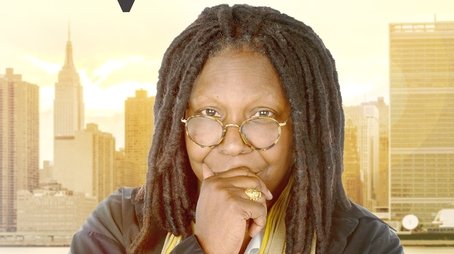
The View, which premiered in 1997, is a daytime talk show that features a panel of women discussing current events, social issues, and personal stories. The show is structured around a roundtable format, where the hosts share their opinions and engage in lively debates.
The show begins with the introduction of the panelists, which initially includes Barbara Walters, Joy Behar, Meredith Vieira, and Star Jones. Each host brings their unique perspective and background, setting the stage for dynamic conversations. The opening segment typically features a hot topic of the day, where the hosts express their views on various issues ranging from politics to celebrity news.
As the show progresses, the hosts often share personal anecdotes that relate to the topics being discussed. For instance, Joy Behar might recount a humorous experience related to a current event, while Star Jones might share a more serious personal story that connects to a social issue. These personal touches add depth to the discussions and allow viewers to connect with the hosts on a more intimate level.
Throughout the episodes, the hosts frequently invite guests, including celebrities, politicians, and experts, to join the conversation. These guests often provide additional insights or differing viewpoints, which can lead to spirited debates among the panelists. The interactions between the hosts and guests are filled with humor, tension, and sometimes emotional moments, showcasing the diverse opinions and personalities of the women on the panel.
The show also features segments dedicated to lighter topics, such as fashion, health, and lifestyle tips. These segments provide a break from the heavier discussions and allow the hosts to showcase their personalities in a more relaxed setting. The chemistry among the hosts is evident as they joke and tease each other, creating a warm and inviting atmosphere for viewers.
As the series progresses, the dynamics among the hosts evolve. New panelists are introduced over the years, leading to changes in the show's chemistry. The addition of new voices brings fresh perspectives, but it can also lead to conflicts and differing opinions, which are often highlighted during discussions. The hosts navigate these changes while maintaining the show's core mission of providing a platform for women's voices.
The View also addresses significant cultural and political events, often reflecting the changing landscape of society. The hosts engage in discussions about issues such as women's rights, healthcare, and social justice, making the show relevant and timely. Their passionate debates can sometimes lead to heated exchanges, showcasing the strong convictions of each host.
Throughout its run, The View has tackled various controversies and scandals, both within the show and in the broader world. The hosts often address these issues head-on, providing their perspectives and engaging in discussions that resonate with viewers. This willingness to confront difficult topics has contributed to the show's longevity and impact.
As the seasons progress, the show continues to evolve, adapting to the changing times and the interests of its audience. The hosts remain committed to fostering open dialogue and providing a platform for diverse opinions, ensuring that The View remains a significant part of daytime television.








What is the ending?
"The View," which premiered in 1997, is not a scripted television show with a traditional narrative arc or ending. Instead, it is a daytime talk show featuring a panel of women discussing current events, social issues, and personal stories. Each episode typically concludes with the hosts sharing their final thoughts on the topics discussed, but there is no definitive ending to the show as it continues to air with new episodes.
In a more detailed narrative fashion, the format of "The View" consists of several segments that unfold throughout each episode. The show begins with the hosts--who have included notable figures like Barbara Walters, Joy Behar, Whoopi Goldberg, and others--greeting the audience with their signature banter. The atmosphere is lively, filled with laughter and camaraderie, as they introduce the day's topics, which can range from political issues to celebrity gossip.
As the episode progresses, the hosts engage in spirited discussions, often sharing personal anecdotes that reveal their individual perspectives and experiences. For instance, one host might passionately advocate for women's rights, while another shares a humorous story that lightens the mood. The dynamic between the hosts is crucial, as their differing opinions lead to engaging debates, showcasing their personalities and the chemistry they share.
In the final segment of the show, the hosts typically reflect on the discussions they've had, offering their concluding thoughts. This moment is often emotional, as they connect the topics back to their own lives and the lives of their viewers. The camera captures their expressions--some serious, others light-hearted--as they emphasize the importance of the issues discussed.
As the credits roll, the hosts bid farewell to the audience, often with a sense of hope or encouragement, inviting viewers to continue the conversation beyond the show. Each host leaves the stage with a sense of purpose, having shared their voices and perspectives, reinforcing the show's mission to empower women and foster dialogue.
In summary, "The View" does not have a traditional ending with a resolution for characters, as it is an ongoing talk show format. Each episode serves as a new opportunity for discussion, reflection, and connection among the hosts and their audience.
Is there a post-credit scene?
The View, which premiered in 1997, is a daytime talk show rather than a scripted television series with a traditional narrative structure that would include post-credit scenes. Each episode typically features a panel of women discussing current events, social issues, and personal stories, often with guest appearances from celebrities and experts. The format is conversational and does not follow a storyline that would necessitate or include post-credit scenes. Therefore, there are no post-credit scenes in The View.
Who are the original hosts of The View and what are their roles?
The original hosts of The View, which premiered in 1997, included Barbara Walters, who served as the moderator and a veteran journalist; Meredith Vieira, who brought a warm and engaging presence; Star Jones, known for her strong opinions and legal background; Joy Behar, who provided humor and wit; and Debbie Matenopoulos, the youngest member who represented a fresh perspective. Each host contributed to the dynamic discussions and debates that characterized the show.
What notable guest appearances have occurred on The View?
The View has featured numerous notable guest appearances since its inception in 1997. Celebrities, politicians, and public figures have graced the stage, including First Lady Michelle Obama, who discussed her initiatives; actors like Tom Hanks and Jennifer Aniston, who promoted their films; and controversial figures like Donald Trump, who engaged in heated discussions. These appearances often led to memorable moments that highlighted the show's blend of entertainment and serious discourse.
How did the dynamics between the hosts evolve over time?
The dynamics between the original hosts of The View evolved significantly over time, particularly as differing opinions and personalities clashed. For instance, Joy Behar's comedic style often contrasted with Star Jones's more serious approach, leading to lively debates. Tensions sometimes flared, especially during discussions on hot-button issues, revealing the hosts' strong personalities and individual motivations, which added depth to their interactions and kept viewers engaged.
What are some significant controversies that arose on The View?
The View has been no stranger to controversy since its launch in 1997. One significant moment occurred when Rosie O'Donnell joined the panel, leading to heated exchanges with co-host Elizabeth Hasselbeck over political issues, particularly during the Iraq War. Another notable controversy involved Star Jones's departure from the show, which was marked by public speculation and tension among the hosts. These controversies often sparked discussions about the boundaries of political discourse and personal relationships on the show.
What impact did The View have on daytime television?
The View had a profound impact on daytime television by introducing a format that combined talk show elements with a panel discussion format. This innovative approach allowed for diverse viewpoints and lively debates on current events, which was relatively unique at the time. The show's success paved the way for similar formats in other daytime programs, influencing how women's voices and issues were represented in media.
Is this family friendly?
"The View," which premiered in 1997, is a daytime talk show that features a panel of women discussing current events, social issues, and personal stories. While the show aims to provide a platform for diverse opinions and lively discussions, there are several aspects that may be considered objectionable or upsetting for children or sensitive viewers.
-
Controversial Topics: The show often tackles sensitive subjects such as politics, social justice, and personal experiences with trauma or loss. These discussions can be intense and may include strong opinions that could be distressing.
-
Strong Language: Occasionally, the panelists may use strong language or express frustration in a way that might not be suitable for younger audiences.
-
Emotional Stories: The women share personal anecdotes that can be deeply emotional, including topics like divorce, illness, and family struggles. These stories can evoke strong feelings and may be upsetting for sensitive viewers.
-
Debates and Conflicts: The discussions can become heated, leading to arguments or disagreements among the hosts. This dynamic might be uncomfortable for some viewers, especially children who may not understand the context of the debates.
-
Cultural Sensitivity: Some topics may involve discussions about race, gender, and sexuality, which could be complex and potentially confusing for younger audiences.
Overall, while "The View" is designed for a general audience, its content may not always be suitable for children or those who are sensitive to emotional or controversial discussions.