


Popular
What is the significance of the Shredder's character in the 2003 series?
How does Leonardo's leadership evolve throughout the series?
What role does Master Splinter play in the Turtles' development?
What is the relationship between Raphael and Leonardo like in the series?
How does the character of Karai evolve throughout the series?
Should I watch it?
Ask Your Own Question

What is the plot?
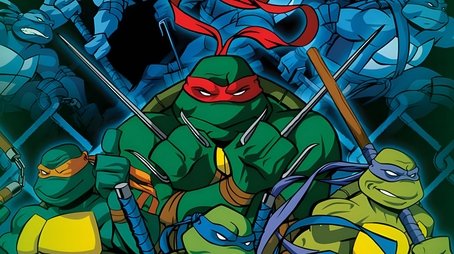
The series begins with the Teenage Mutant Ninja Turtles--Leonardo, Michelangelo, Donatello, and Raphael--living in the sewers of New York City under the guidance of their father figure, Splinter. The Turtles are trained in ninjutsu and are dedicated to fighting crime and protecting their city from various threats. The story kicks off with the Turtles battling the Foot Clan, a criminal organization led by the Shredder, who is their primary antagonist.
In the first episode, the Turtles confront a group of Foot soldiers in a warehouse. Leonardo leads the charge, demonstrating his leadership skills and swordsmanship. Michelangelo uses his nunchaku with playful enthusiasm, while Donatello employs his bo staff to outsmart the enemies with gadgets. Raphael, however, struggles with his temper and often acts impulsively, leading to tension among the brothers. After a fierce fight, they manage to defeat the Foot soldiers, but the Shredder remains elusive.
As the series progresses, the Turtles face various villains, including the likes of Baxter Stockman, a mad scientist who creates mutant creatures. In one episode, Baxter captures the Turtles and attempts to turn them into his personal army of mutants. The Turtles work together to escape his lab, using their unique skills to outmaneuver his traps. Donatello hacks into Baxter's computer system to disable the security, while Raphael's brute strength helps them break free from their restraints.
The emotional core of the series is explored through the Turtles' relationships with each other and their struggles with their identities. Leonardo grapples with the burden of leadership, often feeling the weight of responsibility. In a pivotal moment, he faces off against the Shredder in a duel, where he must confront his fears of inadequacy. The fight is intense, with both combatants showcasing their skills. Leonardo ultimately prevails, but not without sustaining injuries that leave him questioning his abilities.
Meanwhile, Michelangelo's lighthearted nature often serves as comic relief, but he also faces moments of self-doubt. In one episode, he tries to prove himself by taking on a dangerous mission alone, only to realize that teamwork is essential. His brothers come to his rescue, reinforcing the bond they share.
Donatello, the tech-savvy Turtle, often finds himself in the role of the brains of the group. He invents various gadgets to aid in their battles, but his inventions sometimes backfire. In a critical episode, he creates a device to track the Shredder, but it malfunctions, leading the Turtles into a trap. They must work together to escape, showcasing their resilience and adaptability.
Raphael's character arc is marked by his struggle with anger and his desire to prove himself. He often clashes with Leonardo over leadership styles, leading to a rift between them. In a climactic moment, Raphael confronts Leonardo about his leadership decisions, resulting in a physical fight between the two. This confrontation forces them to confront their differences and ultimately leads to a deeper understanding of each other.
As the series nears its conclusion, the Turtles face their greatest challenge yet when they must confront the Shredder and his new ally, the alien warlord Krang. The Turtles devise a plan to infiltrate the Foot Clan's headquarters, utilizing stealth and strategy. Each Turtle plays a crucial role in the mission, with Donatello hacking into the security systems, Michelangelo providing distractions, and Raphael and Leonardo taking on the Foot soldiers head-on.
The final battle is intense and action-packed, with the Turtles working in unison to defeat the Shredder and Krang. They face numerous obstacles, including mutant creatures and advanced technology. The fight culminates in a showdown where Leonardo and Raphael must put aside their differences to take down the Shredder once and for all. With a combination of skill and teamwork, they manage to defeat him, but not without significant sacrifices.
In the aftermath, the Turtles reflect on their journey and the bonds they have forged. They realize that their strength lies not just in their individual abilities, but in their unity as brothers. The series concludes with the Turtles continuing their mission to protect New York City, ready to face whatever challenges come their way, embodying the spirit of teamwork and resilience.








What is the ending?
In the ending of the 2003 Teenage Mutant Ninja Turtles series, the Turtles face off against the Shredder and the Foot Clan in a climactic battle. After a series of intense confrontations, they ultimately defeat Shredder, but not without significant personal sacrifice and growth. The series concludes with the Turtles reflecting on their journey, their bond as brothers, and their commitment to continue fighting for justice.
As the final episodes unfold, the tension escalates in New York City. The Turtles--Leonardo, Donatello, Michelangelo, and Raphael--find themselves in a dire situation as they confront the Shredder, who has returned with a vengeance, seeking to reclaim his power and exact revenge on the Turtles.
Scene 1: The Turtles gather in their lair, the dim light casting shadows on the walls as they strategize. Leonardo, the steadfast leader, emphasizes the importance of unity and teamwork. His determination is palpable, but there's an undercurrent of anxiety as he knows the stakes are higher than ever. Donatello, ever the tech genius, works on a device that could potentially turn the tide in their favor, while Michelangelo tries to lighten the mood with jokes, though his laughter is tinged with nervousness. Raphael, brimming with anger and frustration, struggles to contain his emotions, feeling the weight of their past battles.
Scene 2: The Turtles launch a surprise attack on the Foot Clan's hideout. The atmosphere is thick with tension as they stealthily navigate through the shadows, their hearts racing. Each Turtle showcases their unique skills--Leonardo's precision, Donatello's intellect, Michelangelo's agility, and Raphael's brute strength. The action is frenetic, with the clang of weapons and the grunts of combatants echoing through the halls. They fight valiantly, but the overwhelming numbers of the Foot Clan begin to take their toll.
Scene 3: The confrontation with Shredder is inevitable. In a dramatic showdown, the Turtles face their arch-nemesis in a darkened warehouse, the air crackling with energy. Shredder, clad in his menacing armor, taunts them, reminding them of their failures. The battle is fierce, with each Turtle pushing their limits. Leonardo leads the charge, but Shredder's ferocity is unmatched. The fight is not just physical; it's a clash of ideologies, with the Turtles fighting for their family and the city, while Shredder embodies chaos and destruction.
Scene 4: As the battle rages on, the Turtles begin to falter. Raphael, in a moment of reckless bravery, charges at Shredder, only to be thrown aside. This moment of vulnerability reveals his deep-seated fears of inadequacy and his desire to protect his brothers at all costs. Donatello, witnessing Raphael's struggle, rallies to his side, using his tech to create a diversion. The bond between the brothers shines through as they fight back-to-back, showcasing their growth and unity.
Scene 5: In a climactic moment, Leonardo and Shredder engage in a final duel. The stakes are high, and Leonardo's resolve is tested. He recalls the teachings of Master Splinter, channeling his inner strength. With a decisive strike, he manages to disarm Shredder, but not without sustaining injuries himself. The emotional weight of the battle is evident as Leonardo grapples with the burden of leadership and the fear of losing his family.
Scene 6: With Shredder defeated, the Turtles stand together, battered but victorious. The city is safe once more, but the victory comes at a cost. Each Turtle reflects on their journey, the sacrifices made, and the lessons learned. Michelangelo, usually the jokester, expresses a rare moment of seriousness, acknowledging the fragility of their existence and the importance of their bond. Raphael, still nursing his wounds, admits his struggles with anger and the need to find balance.
Scene 7: The series concludes with the Turtles returning to their lair, the weight of their experiences heavy on their shoulders. They share a quiet moment, reaffirming their commitment to each other and their mission. Leonardo, now more confident in his role as leader, vows to continue protecting their city. Donatello, inspired by their victory, begins working on new inventions to aid them in future battles. Michelangelo, ever the heart of the group, suggests they celebrate their victory with pizza, bringing a sense of normalcy back to their lives. Raphael, though still grappling with his emotions, finds solace in the presence of his brothers.
As the screen fades to black, the Turtles stand united, ready to face whatever challenges lie ahead, embodying the spirit of family, resilience, and the ongoing fight for justice. Each character has grown, learning the importance of teamwork, understanding, and the bonds that hold them together as brothers.
Is there a post-credit scene?
In the 2003 animated series "Teenage Mutant Ninja Turtles," there are no post-credit scenes in the traditional sense that you might find in modern films. The episodes typically conclude without additional scenes after the credits roll. The series focuses on the adventures of Leonardo, Donatello, Michelangelo, and Raphael as they battle various villains and navigate their lives as both ninjas and brothers. Each episode wraps up its storyline within the main content, leaving no additional material to explore after the credits.
If you have any specific episodes or story arcs in mind that you would like to know more about, feel free to ask!
What is the significance of the Shredder's character in the 2003 series?
In the 2003 series, the Shredder, also known as Oroku Saki, is portrayed as a complex antagonist with a deep-seated vendetta against the Turtles and their master, Splinter. His character is driven by a desire for power and revenge, stemming from his family's legacy and his own personal failures. The series explores his ruthless tactics, including the use of the Foot Clan and various mutant creatures, to achieve his goals. His relationship with the Turtles is not just one of villainy; it is also intertwined with themes of honor and betrayal, particularly in his interactions with his own followers, like Karai, who struggles with her loyalty to him versus her respect for the Turtles.
How does Leonardo's leadership evolve throughout the series?
Leonardo's journey as the leader of the Teenage Mutant Ninja Turtles is a central theme in the 2003 series. Initially, he is portrayed as the disciplined and responsible brother, often burdened by the weight of leadership. As the series progresses, Leonardo faces numerous challenges that test his resolve, including battles against formidable foes and internal conflicts within the team. His character grapples with self-doubt and the fear of failure, especially when his decisions lead to dire consequences. Key moments, such as his confrontations with the Shredder and his struggles with his brothers, particularly Raphael, force him to grow into a more empathetic and understanding leader, ultimately learning to balance his sense of duty with the need for teamwork and trust.
What role does Master Splinter play in the Turtles' development?
Master Splinter serves as the wise mentor and father figure to the Teenage Mutant Ninja Turtles, guiding them not only in martial arts but also in moral and ethical dilemmas. Throughout the series, Splinter's teachings emphasize the importance of balance, humility, and the consequences of one's actions. His backstory, including his transformation from a human into a rat and his past with the Shredder, adds depth to his character and highlights his wisdom gained through suffering. Splinter's emotional state often reflects concern for his sons' safety and their growth, and he provides crucial support during their darkest moments, reinforcing the bond of family and the importance of unity in the face of adversity.
What is the relationship between Raphael and Leonardo like in the series?
The relationship between Raphael and Leonardo is one of the most dynamic and complex aspects of the 2003 series. Raphael, known for his hot-headedness and impulsive nature, often clashes with Leonardo, who embodies discipline and responsibility. Their differing approaches to conflict and leadership create tension, leading to frequent arguments and physical confrontations. Raphael's struggle with feelings of inadequacy and his desire to prove himself often put him at odds with Leonardo's cautious strategies. However, these conflicts also serve as a catalyst for character development, as both brothers learn to understand and respect each other's strengths and weaknesses. Key episodes showcase their emotional struggles, particularly when they must rely on one another during battles, ultimately leading to moments of reconciliation and deeper brotherly bonds.
How does the character of Karai evolve throughout the series?
Karai is introduced as a formidable and skilled warrior, often serving as the right hand of the Shredder. Throughout the 2003 series, her character evolves from a loyal enforcer of the Foot Clan to a more nuanced figure who grapples with her own identity and loyalties. Initially, she is portrayed as a ruthless antagonist, but as the series progresses, her interactions with the Turtles, particularly Leonardo, reveal her internal conflict. Karai's motivations are driven by a desire for honor and respect, and she often questions the Shredder's methods. This internal struggle culminates in moments where she must choose between her allegiance to the Shredder and her growing respect for the Turtles. Her character arc explores themes of redemption and the complexity of good versus evil, making her one of the more compelling characters in the series.
Is this family friendly?
The 2003 series of Teenage Mutant Ninja Turtles is generally considered family-friendly, but it does contain some elements that may be objectionable or upsetting for younger viewers or sensitive individuals. Here are some aspects to consider:
-
Violence and Fighting: The show features frequent martial arts battles, with the Turtles engaging in combat against various villains. While the violence is cartoonish and not graphic, there are moments of intense action that may be startling.
-
Dark Themes: Some episodes explore darker themes, such as betrayal, loss, and the struggle between good and evil. These themes can evoke strong emotions and may be unsettling for younger audiences.
-
Monsters and Mutants: The series includes various monstrous and mutant characters, some of which may be frightening in appearance or behavior. This could be distressing for children who are sensitive to scary imagery.
-
Emotional Conflict: The Turtles often face personal dilemmas and conflicts, including feelings of loneliness, fear, and anger. These emotional struggles can be intense and may resonate deeply with viewers.
-
Mild Language: While the language is generally appropriate, there are occasional instances of mild insults or phrases that may not be suitable for all children.
-
Parental Figures: The absence of traditional parental figures and the Turtles' reliance on their mentor, Splinter, can lead to themes of abandonment or neglect, which might be sensitive topics for some viewers.
Overall, while the series is designed for a younger audience and contains positive messages about teamwork, friendship, and perseverance, parents may want to preview episodes to gauge their appropriateness for their children.