


Popular
What is the significance of the Fonz's leather jacket in Happy Days?
How does Richie Cunningham's character evolve throughout the series?
What role does Arnold's Drive-In play in the series?
What is the relationship between Fonzie and Richie Cunningham?
How does the character of Joanie Cunningham contribute to the family dynamic?
Should I watch it?
Ask Your Own Question

What is the plot?
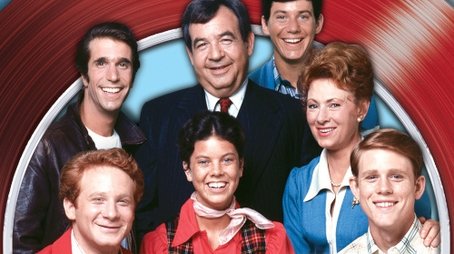
"Happy Days" is a sitcom that follows the lives of the Cunningham family and their friends in the 1950s and early 1960s. The show primarily revolves around teenager Richie Cunningham, his family, and his friends, including the iconic character Arthur "Fonzie" Fonzarelli.
The series begins with Richie Cunningham, a wholesome teenager living in Milwaukee, Wisconsin, with his parents, Howard and Marion Cunningham, and his younger sister, Joanie. Richie is portrayed as a typical high school student, navigating the challenges of adolescence, friendships, and romance. His best friends, Potsie Weber and Ralph Malph, often join him in various escapades.
In the pilot episode, Richie and his friends are introduced as they deal with the pressures of dating and fitting in at school. The episode sets the tone for the series, showcasing the innocence of youth and the dynamics of teenage friendships. The character of Fonzie is introduced as a cool, leather-jacket-wearing greaser who becomes a mentor and friend to Richie and his friends. Fonzie's charisma and confidence make him a central figure in the show, often providing comic relief and wisdom.
As the series progresses, various plotlines explore Richie's romantic interests, particularly his relationship with his girlfriend, Lori Beth. Their relationship faces challenges, including misunderstandings and the typical ups and downs of teenage love. The show also delves into the lives of other characters, such as Joanie, who experiences her own teenage struggles, and Howard and Marion, who navigate the challenges of parenting.
Throughout the seasons, the show features numerous memorable episodes, including the infamous "Jumping the Shark" moment, where Fonzie jumps over a shark while water skiing, symbolizing a turning point in the series. This moment is often cited as a significant event in television history, marking a shift in the show's direction.
The series also addresses social issues of the time, such as the generation gap between parents and teenagers, the importance of friendship, and the challenges of growing up. The characters face various dilemmas, from academic pressures to family conflicts, all while maintaining a lighthearted and comedic tone.
As the show continues, the characters evolve, with Richie eventually graduating from high school and exploring life beyond his teenage years. The dynamics between the characters shift as they grow older, with new relationships forming and old ones changing. Fonzie's character becomes more complex, revealing his vulnerabilities and deeper emotions, while still maintaining his cool exterior.
In the later seasons, the show introduces new characters and storylines, including the addition of Chachi Arcola, Joanie's love interest, and the exploration of Fonzie's backstory. The series culminates in a series of heartfelt moments, showcasing the enduring friendships and bonds formed throughout the years.
The final episodes of "Happy Days" reflect on the characters' journeys, with Richie and his friends preparing to embark on new adventures as they transition into adulthood. The series concludes with a sense of nostalgia and warmth, celebrating the friendships and memories created during their time together.
Overall, "Happy Days" captures the essence of youth, friendship, and the challenges of growing up, leaving a lasting impact on its audience and becoming a beloved classic in television history.








What is the ending?
The ending of "Happy Days" is marked by the series finale, where the characters reflect on their past experiences and look forward to the future. The show concludes with a sense of nostalgia and hope, as the characters embrace change while cherishing their memories together.
In the expanded narrative, the final episode begins with a warm, nostalgic atmosphere in Arnold's Drive-In, the beloved hangout spot for the gang. The camera pans over the familiar booths and the jukebox, which plays a classic tune, evoking a sense of comfort and familiarity. Richie Cunningham, played by Ron Howard, is preparing to leave for the Army, and the weight of this impending change hangs heavily in the air.
Scene 1: The Drive-In Richie sits in a booth with his friends, Fonzie (Henry Winkler), Ralph Malph (Donny Most), and Potsie (Anson Williams). They share laughter and reminisce about their high school days, recalling the adventures and misadventures they've had together. The camaraderie is palpable, but there's an underlying sadness as they realize this chapter of their lives is coming to an end. Richie expresses his mixed feelings about leaving, torn between duty and the bonds he has formed with his friends.
Scene 2: The Farewell As the day progresses, the gang decides to throw a farewell party for Richie at the Cunningham home. Marion (Marion Ross) and Howard Cunningham (Tom Bosley) prepare the house, filling it with decorations and food. The warmth of the family home contrasts with the bittersweet nature of the occasion. The party is filled with laughter, but there are moments of reflection as each character shares their favorite memories with Richie.
Scene 3: The Party At the party, the atmosphere is lively, with music playing and everyone dancing. Fonzie, ever the cool character, takes a moment to express how much Richie means to him, revealing a deeper bond than just friendship. The emotional weight of the moment is felt by all, as they realize how much they will miss each other. The camera captures the smiles and tears, highlighting the importance of friendship and the passage of time.
Scene 4: The Departure As the night winds down, Richie prepares to leave for the Army. The gang gathers outside the Cunningham home, where they share a heartfelt goodbye. Each character expresses their hopes for the future, and Richie reassures them that this isn't the end, but rather a new beginning. The scene is filled with emotion, as the characters embrace, promising to stay in touch and support one another.
Scene 5: The Final Moments In the final moments of the episode, Richie drives away, looking back at his friends one last time. The camera lingers on the faces of Fonzie, Ralph, and Potsie, capturing their mixed emotions of pride and sadness. The screen fades to black, and the iconic theme song plays, leaving viewers with a sense of nostalgia and hope for the future.
In conclusion, the fate of each main character is left open-ended, but the bonds they have formed remain strong. Richie embarks on a new journey, while Fonzie, Ralph, and Potsie continue their lives, forever changed by their experiences together. The series ends on a note of optimism, emphasizing the importance of friendship and the memories that shape us as we move forward in life.
Is there a post-credit scene?
"Happy Days," which premiered in 1974, does not feature post-credit scenes as a standard practice. The show typically concluded with a final scene that wrapped up the episode's storyline, often accompanied by a light-hearted moment or a moral lesson, followed by the credits. The format of sitcoms during that era did not commonly include post-credit sequences, focusing instead on delivering a complete narrative within the episode itself. Therefore, there are no post-credit scenes to describe for "Happy Days."
What is the significance of the Fonz's leather jacket in Happy Days?
The Fonz's leather jacket is a symbol of his cool, rebellious persona. It represents his status as a greaser and a tough guy, which is central to his character. The jacket is often seen as a protective layer, not just from the elements but also from vulnerability, showcasing his tough exterior while hinting at his deeper, more caring nature.
How does Richie Cunningham's character evolve throughout the series?
Richie Cunningham starts as a typical teenager, navigating the challenges of adolescence, family, and friendships. As the series progresses, he becomes more confident and assertive, often taking on leadership roles among his friends. His relationships, particularly with his parents and friends like the Fonz and Potsie, deepen, showcasing his growth from a naive boy to a more mature young man.
What role does Arnold's Drive-In play in the series?
Arnold's Drive-In serves as the central social hub for the characters, where they gather to hang out, share stories, and experience the ups and downs of teenage life. It is a backdrop for many key moments, including romantic encounters, conflicts, and resolutions, highlighting the importance of community and friendship in the characters' lives.
What is the relationship between Fonzie and Richie Cunningham?
The relationship between Fonzie and Richie is one of mentorship and friendship. Fonzie, initially seen as a tough guy, becomes a protective older brother figure to Richie. Their bond deepens as they navigate various challenges together, with Fonzie often providing guidance and support, while Richie helps Fonzie confront his vulnerabilities.
How does the character of Joanie Cunningham contribute to the family dynamic?
Joanie Cunningham, as Richie's younger sister, adds a layer of complexity to the family dynamic. She often seeks independence and struggles with her identity, which contrasts with Richie's more traditional teenage experiences. Her interactions with her parents and brother highlight the generational differences and the challenges of growing up, making her a relatable character for younger viewers.
Is this family friendly?
"Happy Days," produced in 1974, is generally considered a family-friendly show, focusing on the lives of the Cunningham family and their friends in the 1950s and early 1960s. However, there are a few aspects that might be considered objectionable or upsetting for children or sensitive viewers:
-
Teenage Relationships: The show often explores teenage dating and relationships, which can include themes of heartbreak, jealousy, and misunderstandings.
-
Mild Language: There are occasional uses of mild language and slang that may not be suitable for younger audiences.
-
Parental Conflicts: Some episodes feature conflicts between parents and teenagers, which may resonate with sensitive viewers.
-
Social Issues: The show touches on social issues such as peer pressure, bullying, and the challenges of growing up, which might be heavy for some children.
-
Alcohol and Smoking: Characters are sometimes shown drinking alcohol or smoking, which may not be appropriate for younger viewers.
-
Mild Violence: There are instances of slapstick humor and mild physical comedy that could be perceived as rough or aggressive.
Overall, while "Happy Days" is lighthearted and comedic, these elements may warrant parental guidance for younger viewers.