


Popular
What are the main characteristics of Compo's personality and how do they influence his interactions with other characters?
How does the dynamic between Clegg, Compo, and Foggy evolve throughout the series?
What role does Nora Batty play in the lives of Compo and the other characters?
What are some of the most memorable schemes or adventures that Compo, Clegg, and Foggy embark on?
How does the setting of Yorkshire influence the story and characters in Last of the Summer Wine?
Should I watch it?
Ask Your Own Question

What is the plot?
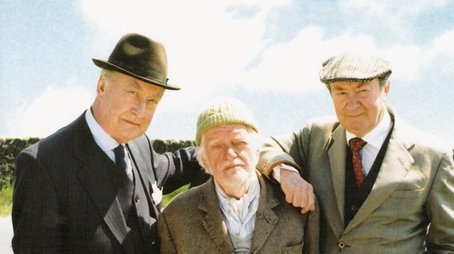
"Last of the Summer Wine" begins with the introduction of three elderly men living in the Yorkshire countryside: Compo Simmonite, Cyril Blamire, and Norman Clegg. The series opens with Compo, a scruffy and mischievous character, who is often seen wearing a flat cap and a shabby coat. He is portrayed as a man who enjoys the simple pleasures of life, often getting into humorous situations.
In the first episode, Compo is seen attempting to impress a woman named Nora Batty, who is known for her strict demeanor and iconic wrinkled stockings. Compo's infatuation with Nora drives much of his behavior, leading him to concoct various schemes to win her affection. Meanwhile, Norman Clegg, the more sensible and cautious of the trio, often finds himself reluctantly dragged into Compo's antics. Cyril Blamire, the intellectual of the group, provides a contrast with his more serious outlook on life.
As the episode progresses, Compo decides to take a dip in a local pond, believing it will impress Nora. He convinces Clegg and Blamire to join him, despite their reservations. The three men wade into the water, leading to a series of comedic mishaps as they struggle to maintain their dignity while trying to impress Nora, who is watching from the shore. The scene is filled with laughter and chaos, showcasing the dynamic between the characters.
After their swim, the trio returns to their usual haunt, a local café, where they discuss their adventures and the challenges of aging. Compo's relentless pursuit of Nora continues to be a source of humor, as he devises increasingly ridiculous plans to get her attention. Clegg and Blamire often serve as the voice of reason, but they are ultimately drawn into Compo's schemes, highlighting the camaraderie and friendship among the three men.
In a pivotal moment, Compo decides to create a makeshift romantic gesture for Nora, involving flowers and a heartfelt speech. However, his plans are thwarted when he accidentally spills a bucket of water on himself, leading to a comical series of events that culminate in him being chased away by Nora, who is unimpressed by his antics. This moment encapsulates the ongoing theme of unrequited love and the humorous struggles of aging.
The episode concludes with the three men sitting on a bench, reflecting on their day. Despite the setbacks and failures, there is a sense of contentment among them. They share a laugh over the day's events, reinforcing their bond and the joy they find in each other's company. The final scene captures the essence of the series: the simple pleasures of friendship, the humor in everyday life, and the enduring spirit of the characters as they navigate the challenges of growing old.









What is the ending?
"Last of the Summer Wine" is a long-running British sitcom that began in 1973 and does not have a traditional ending like a movie. Instead, it concluded with its final episode, "The Last Post," which aired in 2010. However, I can provide a detailed summary of the series' essence and its characters' journeys throughout its run.
In the final episode, Compo, Clegg, and Foggy, the main trio of elderly men, reflect on their lives and friendships. The episode captures their camaraderie and the bittersweet nature of aging. Compo's character, known for his mischievous spirit, is particularly poignant as he faces the reality of his mortality. The episode ends with a sense of closure, emphasizing the enduring bonds of friendship despite the passage of time.
Now, let's delve into a more detailed narrative of the final episode, "The Last Post."
As the episode opens, the familiar landscape of the Yorkshire countryside greets the audience, with the sun casting a warm glow over the rolling hills. The camera pans to a bench where Clegg and Foggy sit, reminiscing about their past adventures. Their conversation is light-hearted, filled with laughter, but there's an underlying current of nostalgia as they reflect on the friends they've lost and the time that has slipped away.
Scene breaks reveal the trio's interactions with other characters, including Nora Batty, Compo's long-time love interest, who is portrayed with her signature scowl and rolling pin in hand. The tension between Compo and Nora is palpable, filled with comedic moments that highlight their unique relationship. Compo, ever the cheeky rogue, attempts to charm Nora, but she remains steadfast in her no-nonsense demeanor.
As the day progresses, the trio embarks on a series of misadventures, showcasing their playful antics. They find themselves in a series of humorous predicaments, from attempting to ride a bicycle built for three to getting caught in a muddy field. Each scene is filled with laughter, but there's a poignant undertone as the characters grapple with the reality of aging and the fleeting nature of life.
The emotional core of the episode is Compo's struggle with his health. He is aware that his time is limited, and this realization weighs heavily on him. In a particularly touching moment, he shares his fears with Clegg and Foggy, revealing his vulnerability. The bond between the three men deepens as they support one another, showcasing the strength of their friendship.
As the sun begins to set, casting a golden hue over the landscape, the trio finds themselves at their favorite spot overlooking the valley. They sit in silence, reflecting on their lives, the laughter they've shared, and the memories they've created. It's a moment of quiet introspection, filled with both joy and sadness.
In the final scenes, Compo's health takes a turn for the worse, and he is faced with the reality of saying goodbye. The emotional weight of the moment is palpable as Clegg and Foggy rally around him, offering their support and love. Compo's character embodies the spirit of resilience and humor, even in the face of adversity.
The episode concludes with a poignant farewell, as Compo, Clegg, and Foggy share one last laugh, encapsulating the essence of their friendship. The camera pulls away, leaving the audience with a sense of closure and the enduring message that true friendship transcends time and circumstance.
In summary, the final episode of "Last of the Summer Wine" encapsulates the themes of friendship, aging, and the bittersweet nature of life. Each character, particularly Compo, Clegg, and Foggy, faces their own challenges, but their bond remains unbreakable, leaving a lasting impression on the audience.
Is there a post-credit scene?
"Last of the Summer Wine," which first aired in 1973, does not feature post-credit scenes. The show is structured in a traditional format, concluding each episode with a final scene that wraps up the storylines presented throughout the episode. The humor and charm of the series lie in its character-driven narratives and the interactions among the trio of elderly men--Compo, Clegg, and Foggy--along with the various supporting characters in the fictional Yorkshire village of Holmfirth. Each episode typically ends with a humorous or poignant moment, but there are no additional scenes after the credits.
What are the main characteristics of Compo's personality and how do they influence his interactions with other characters?
Compo, portrayed by Bill Owen, is characterized by his childlike enthusiasm, mischievousness, and a carefree attitude towards life. His scruffy appearance and penchant for wearing old, mismatched clothing reflect his disregard for societal norms. Compo's interactions with his friends, particularly Clegg and Foggy, are often marked by a sense of camaraderie and humor, as he frequently instigates their adventures and misadventures. His flirtatious nature, especially towards women, adds a layer of complexity to his character, revealing a longing for connection and acceptance.
How does the dynamic between Clegg, Compo, and Foggy evolve throughout the series?
The dynamic between Clegg, Compo, and Foggy is central to the series, showcasing a blend of friendship, rivalry, and humor. Initially, Clegg serves as the voice of reason, often trying to temper Compo's wild ideas and Foggy's overzealous plans. As the series progresses, Clegg becomes more involved in their antics, revealing a more adventurous side. Foggy, on the other hand, often takes on the role of the self-appointed leader, which leads to comedic situations when his plans go awry. Their interactions are filled with banter and playful teasing, highlighting the deep bond they share despite their differences.
What role does Nora Batty play in the lives of Compo and the other characters?
Nora Batty, played by Kathy Staff, serves as a formidable presence in the lives of Compo and his friends. Known for her iconic wrinkled stockings and no-nonsense attitude, she is both a source of fear and fascination for Compo, who harbors a long-standing crush on her. Nora's interactions with Compo often involve a mix of exasperation and reluctant affection, as she frequently scolds him for his antics while secretly enjoying the attention. Her character adds a layer of complexity to the narrative, as she embodies the traditional matriarchal figure, often grounding the male characters in their whimsical pursuits.
What are some of the most memorable schemes or adventures that Compo, Clegg, and Foggy embark on?
Throughout the series, Compo, Clegg, and Foggy engage in numerous memorable schemes and adventures that highlight their quirky personalities. One notable adventure involves the trio attempting to build a makeshift boat to navigate a local pond, leading to a series of comedic mishaps as they struggle with their lack of expertise. Another memorable scheme features them trying to impress women by staging a mock rescue operation, which hilariously backfires. These escapades often showcase their camaraderie and the absurdity of their plans, emphasizing the show's blend of humor and heart.
How does the setting of Yorkshire influence the story and characters in Last of the Summer Wine?
The picturesque Yorkshire countryside serves as a vibrant backdrop for the stories and characters in Last of the Summer Wine. The rolling hills, quaint villages, and rustic charm of the area enhance the series' nostalgic tone, providing a sense of community and belonging. The setting influences the characters' lifestyles, as they often engage in outdoor activities, such as fishing or picnicking, which reflect their simple pleasures. Additionally, the local residents and the environment play a significant role in shaping the characters' interactions, as they navigate the challenges and joys of rural life together.
Is this family friendly?
"Last of the Summer Wine," which first aired in 1973, is generally considered a family-friendly show. It features a light-hearted and comedic portrayal of the lives of three elderly men living in Yorkshire, focusing on their humorous adventures and misadventures.
However, there are a few aspects that might be considered potentially objectionable or upsetting for children or sensitive viewers:
-
Themes of Aging and Mortality: The show often touches on themes related to aging, loss, and the challenges that come with it, which may be difficult for younger viewers to fully understand or process.
-
Mild Language: While the language is not explicit, there are occasional mild expletives and phrases that might not be suitable for very young children.
-
Social Situations: Some episodes explore social issues, such as loneliness and the struggles of elderly individuals, which could evoke feelings of sadness or discomfort.
-
Physical Comedy: The slapstick humor, while generally light-hearted, sometimes involves falls or accidents that could be perceived as distressing, especially for sensitive viewers.
-
Romantic Undertones: There are occasional romantic subplots that may include misunderstandings or jealousy, which could be confusing for younger audiences.
Overall, while the show is comedic and often heartwarming, these elements may require parental guidance for younger viewers.