


Popular
What is the significance of the Storyteller's dog in the series?
How does the Storyteller choose the tales he tells?
What role does the character of the Princess play in the story 'The Three Ravens'?
What are the main challenges faced by the protagonist in 'The Luck Child'?
How does the Storyteller's narration style affect the audience's experience of the tales?
Should I watch it?
Ask Your Own Question

What is the plot?
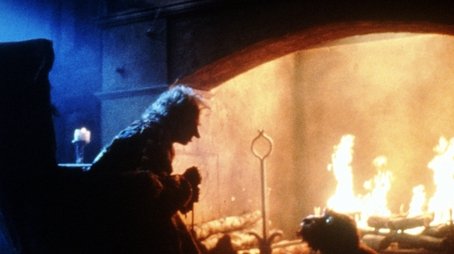
The Storyteller begins with the Storyteller, an elderly man with a deep, resonant voice, who introduces the audience to the world of folklore and fairy tales. He sits in a dimly lit room, surrounded by shadows and flickering candlelight, as he prepares to recount tales filled with magic and moral lessons. His dog, a loyal companion, often interjects with humorous commentary, providing a light-hearted contrast to the darker themes of the stories.
In the first episode, "The Three Ravens," the Storyteller narrates the tale of a young woman named the Princess, who is captured by an evil sorceress. The sorceress transforms the Princess's brothers into ravens, and the Princess is forced to embark on a perilous journey to save them. The Princess, determined and brave, sets out into the dark forest, where she encounters various magical creatures and challenges.
As she travels, the Princess meets a wise old woman who gives her a magical thread that will guide her to her brothers. The old woman warns her that she must not speak to anyone along the way, or she will lose the thread's power. The Princess, filled with hope and determination, follows the thread deeper into the forest, but soon faces temptation when she encounters a handsome stranger who tries to persuade her to speak.
Despite her initial resolve, the Princess succumbs to the stranger's charm and speaks to him, causing the magical thread to unravel. Realizing her mistake, she frantically tries to follow the thread, but it leads her astray. The Princess finds herself lost and disoriented, filled with despair as she searches for her brothers.
In her darkest moment, the Princess encounters the ravens, who reveal their true identities as her brothers. They explain that they are trapped in their raven forms due to the sorceress's curse. The Princess, filled with love and determination, vows to break the curse. Together, they devise a plan to confront the sorceress and reclaim their freedom.
The siblings journey to the sorceress's lair, a dark and foreboding castle surrounded by a swirling mist. As they approach, the Princess feels a mix of fear and courage. They enter the castle, where they face various magical traps and illusions designed to deter intruders. The Princess's bravery shines through as she leads her brothers, using her wits to navigate the dangers.
Finally, they confront the sorceress in her throne room, a grand but sinister space filled with dark magic. The sorceress, powerful and menacing, taunts the Princess and her brothers. A fierce battle ensues, with the Princess using her newfound strength and the support of her brothers to fight against the sorceress's dark magic.
In a climactic moment, the Princess recalls the old woman's advice and uses her love for her brothers as a source of strength. She speaks a powerful incantation that she learned from the old woman, which ultimately breaks the sorceress's hold over her brothers. The sorceress, realizing she is losing her power, attempts to flee but is consumed by her own dark magic.
With the curse broken, the brothers are transformed back into their human forms. The family is reunited, filled with joy and relief. They leave the castle together, the bond between them stronger than ever. The Princess, now wiser and more resilient, reflects on her journey and the importance of love and family.
The Storyteller concludes the tale, reminding the audience of the power of stories and the lessons they impart. The camera pans out, showing the Storyteller and his dog, as they prepare to share another tale, leaving the audience enchanted and eager for more.









What is the ending?
The Storyteller, produced in 1988, concludes with the final episode titled "The Soldier and Death." In this story, a soldier encounters Death and ultimately learns the value of life and the consequences of his choices. The soldier's fate is intertwined with his decisions, leading to a poignant resolution.
In the expanded narrative, the episode begins with a weary soldier returning home from war. He is burdened by the weight of his experiences, and his demeanor reflects a mix of exhaustion and relief. As he walks through the forest, he stumbles upon a mysterious figure--Death, personified as a cloaked, skeletal being. Death informs the soldier that he has come to collect him, but the soldier, desperate to cling to life, pleads for more time.
Death, intrigued by the soldier's spirit, offers him a deal: if the soldier can outsmart him, he may live. The soldier, emboldened by the prospect of survival, devises a clever ruse. He tricks Death into believing that he has already died, thus buying himself time. This moment is filled with tension as the soldier's quick thinking showcases his desire to live, but it also sets the stage for the moral complexities that will unfold.
As the story progresses, the soldier's actions lead him to a series of encounters with other characters, including a wise old man who warns him about the consequences of defying Death. The soldier, however, is blinded by his newfound freedom and continues to evade his fate. His internal conflict grows as he grapples with the implications of his choices, revealing a deeper layer of his character--his fear of mortality and the desire to escape the inevitable.
Eventually, the soldier's evasion catches up with him. Death reappears, this time more resolute. The soldier realizes that his attempts to outsmart Death have only delayed the inevitable. In a climactic moment, he confronts the reality of his situation. The emotional weight of acceptance washes over him as he understands that life is precious precisely because it is finite.
In the final scenes, the soldier's fate is sealed. He acknowledges Death, and in doing so, he finds a sense of peace. The soldier's journey culminates in a poignant acceptance of his mortality, illustrating the episode's central theme: the importance of embracing life and the inevitability of death. As Death leads him away, the soldier's expression shifts from fear to tranquility, signifying his growth and understanding.
The episode concludes with a reflective tone, leaving the audience with a sense of closure. The soldier's fate is that of acceptance, while Death remains a constant, reminding viewers of the delicate balance between life and death. The Storyteller, through this narrative, encapsulates the human experience, emphasizing the significance of choices and the inevitability of fate.
Is there a post-credit scene?
The Storyteller, produced in 1988, does not feature post-credit scenes. Each episode concludes with the Storyteller, portrayed by John Hurt, wrapping up the tale he has just narrated, often reflecting on the moral or lesson of the story. The format is consistent throughout the series, focusing on the storytelling experience rather than additional scenes after the credits. The emphasis remains on the rich narratives and the emotional depth of the characters within each story, leaving viewers with a sense of closure as the Storyteller bids farewell at the end of each episode.
What is the significance of the Storyteller's dog in the series?
The Storyteller's dog serves as both a companion and a foil to the Storyteller himself. The dog often provides comic relief and a contrasting perspective to the serious tales being told. His reactions to the stories and his interactions with the Storyteller highlight the emotional weight of the narratives, while also grounding the fantastical elements in a relatable friendship.
How does the Storyteller choose the tales he tells?
The Storyteller selects his tales based on their cultural significance and the lessons they impart. Each story is introduced with a sense of reverence, as he often reflects on the moral implications and the emotional journeys of the characters involved. His choices reveal his own values and beliefs, as he seeks to entertain and educate his audience.
What role does the character of the Princess play in the story 'The Three Ravens'?
In 'The Three Ravens,' the Princess is a central figure whose fate is intertwined with the themes of loyalty and sacrifice. She is portrayed as both vulnerable and strong, facing dire circumstances that test her resolve. Her emotional journey is marked by love and loss, as she navigates the treachery surrounding her, ultimately showcasing her bravery and the depth of her character.
What are the main challenges faced by the protagonist in 'The Luck Child'?
In 'The Luck Child,' the protagonist faces numerous challenges that test his resilience and character. He is born under a lucky star, but this fortune brings its own set of trials, including jealousy from others and the burden of expectations. His journey is marked by a quest for identity and belonging, as he learns that true luck comes from within and is shaped by one's choices and actions.
How does the Storyteller's narration style affect the audience's experience of the tales?
The Storyteller's narration style is rich and immersive, drawing the audience into the world of each tale. His expressive voice, combined with vivid descriptions and emotional inflections, creates a sense of intimacy and engagement. This storytelling technique not only enhances the fantastical elements of the stories but also allows the audience to connect deeply with the characters and their journeys, making each tale resonate on a personal level.
Is this family friendly?
"The Storyteller," produced in 1988, is generally considered family-friendly, but it does contain some elements that may be unsettling for younger viewers or sensitive individuals. Here are a few aspects to consider:
-
Dark Themes: Many of the stories are rooted in folklore and mythology, which often include themes of death, betrayal, and loss. These themes can be intense and may provoke fear or anxiety in children.
-
Scary Creatures: The series features various mythical creatures, such as witches, goblins, and monsters, which can be frightening. Their appearances are often accompanied by suspenseful music and dark settings that enhance the eerie atmosphere.
-
Violence: Some stories depict mild violence or peril, such as characters facing threats from supernatural beings or engaging in battles. While not graphic, these moments can be intense.
-
Emotional Distress: Characters often experience significant emotional turmoil, such as grief, loneliness, or betrayal. These feelings are portrayed authentically and can resonate deeply, potentially upsetting sensitive viewers.
-
Moral Ambiguity: The stories sometimes present morally complex situations where characters make difficult choices, which may be confusing for younger audiences trying to understand right from wrong.
Overall, while "The Storyteller" is crafted with a sense of wonder and imagination, parents may want to preview episodes to gauge their appropriateness for their children.