
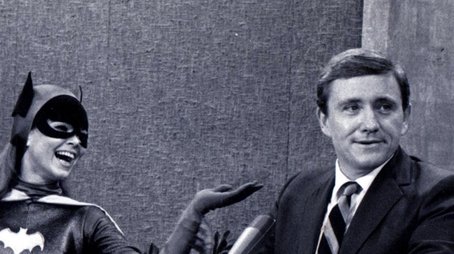


Popular
What notable guests appeared on The Merv Griffin Show in 1962?
How did Merv Griffin's interviewing style influence the show's dynamics?
What recurring segments or features were included in the show during 1962?
What was the audience's reaction to controversial topics discussed on the show?
How did Merv Griffin's background influence his hosting style and the show's content?
Should I watch it?
Ask Your Own Question

What is the plot?
The Merv Griffin Show, which premiered in 1962, is a talk show format rather than a narrative-driven television show with a plot. Each episode features Merv Griffin as the host, engaging in conversations with various celebrity guests, musicians, and entertainers. The show is characterized by its light-hearted banter, musical performances, and comedic sketches.
In the opening sequence of each episode, Merv Griffin greets the audience with his signature charm, often sharing a humorous anecdote or commentary on current events. He sets the tone for the show, inviting viewers into a relaxed and entertaining atmosphere.
As the show progresses, Merv introduces his first guest, who is typically a well-known figure from the entertainment industry. The guest joins Merv on stage, and they engage in a lively conversation. This segment often includes personal stories, insights into the guest's career, and discussions about their latest projects. The chemistry between Merv and his guests is palpable, as they share laughs and anecdotes that resonate with the audience.
Following the initial interview, the show often features a musical performance. This could be a solo artist, a band, or a theatrical group showcasing their talents. The performances are vibrant and engaging, with Merv occasionally joining in or commenting on the act, enhancing the overall entertainment value of the show.
After the musical segment, Merv introduces a second guest, who may be from a different field, such as sports, politics, or literature. The format remains consistent, with Merv facilitating a conversation that allows the guest to share their experiences and viewpoints. This segment often includes audience interaction, where Merv may take questions from fans or engage in light-hearted banter with the guest.
Throughout the episode, there are often comedic sketches or segments that provide additional entertainment. These may involve Merv and his guests participating in humorous scenarios or games, showcasing their personalities and providing a break from the more serious discussions.
As the show nears its conclusion, Merv typically summarizes the highlights of the episode, thanking his guests and the audience for their participation. He may tease upcoming episodes or guests, maintaining viewer interest for future broadcasts.
The final moments of the show often include a closing musical number, with Merv and his guests joining in, creating a sense of camaraderie and celebration. The show ends with Merv bidding farewell to the audience, leaving them with a sense of joy and anticipation for the next episode.
Overall, The Merv Griffin Show is a collection of engaging conversations, musical performances, and light-hearted entertainment, rather than a singular narrative with a plot to summarize. Each episode stands alone, showcasing the charm and charisma of Merv Griffin and his guests.








What is the ending?
The Merv Griffin Show, produced in 1962, does not have a traditional narrative structure with a defined ending like a scripted film or television drama. Instead, it is a talk show format featuring various guests, performances, and interviews. Each episode concludes with Merv Griffin thanking his guests and the audience, often leaving viewers with a sense of entertainment and engagement rather than a specific plot resolution.
In a more detailed narrative fashion, the show typically unfolds as follows:
The stage is set with a vibrant backdrop, the audience buzzing with anticipation. Merv Griffin, the charismatic host, walks onto the stage, greeted by enthusiastic applause. He smiles warmly, exuding charm and confidence, as he engages the audience with light banter, setting a relaxed tone for the evening.
As the show progresses, Merv introduces a series of guests, each bringing their unique flair to the stage. The first guest, a popular singer, captivates the audience with a heartfelt performance. The camera captures the singer's emotional connection to the song, their eyes glistening with passion as they deliver each note. Merv, ever the gracious host, engages the singer in a light-hearted conversation afterward, drawing out personal anecdotes that resonate with the audience.
Next, a renowned actor joins Merv on stage. The actor, dressed in a sharp suit, shares stories from their latest film, their eyes sparkling with excitement as they recount behind-the-scenes moments. Merv listens intently, occasionally interjecting with humorous remarks that elicit laughter from both the actor and the audience. The chemistry between Merv and his guests is palpable, creating an atmosphere of camaraderie and warmth.
As the show nears its conclusion, Merv introduces a surprise guest, a beloved comedian known for their quick wit. The comedian takes the stage, and the audience erupts in laughter at their clever jokes and playful banter with Merv. The energy in the room is electric, with the audience fully engaged, hanging on every word.
In the final moments of the show, Merv stands center stage, surrounded by his guests. He expresses his gratitude to them for joining him, highlighting their contributions to the entertainment industry. The guests share smiles and laughter, creating a sense of unity and appreciation among them. Merv then turns to the audience, thanking them for their support and encouraging them to tune in for the next episode.
As the credits roll, the camera captures the joyful faces of the audience, a testament to the successful evening of entertainment. The show ends on a high note, leaving viewers with a sense of joy and anticipation for what's to come, embodying the spirit of connection and celebration that The Merv Griffin Show consistently delivered.
In this format, there are no individual character fates to discuss, as the show is not a narrative-driven story but rather a series of performances and interactions that celebrate the talents of various guests. Each episode concludes with a sense of fulfillment and community, characteristic of the show's enduring legacy.
Is there a post-credit scene?
The Merv Griffin Show, which premiered in 1962, did not typically feature post-credit scenes as part of its format. The show was primarily a talk show, focusing on interviews with celebrity guests, musical performances, and comedic segments. Each episode concluded with Merv Griffin thanking his guests and the audience, often with a light-hearted remark or a teaser for the next episode. The structure was straightforward, emphasizing the live interaction and entertainment rather than cinematic storytelling elements like post-credit scenes. Therefore, there are no post-credit scenes to describe for this show.
What notable guests appeared on The Merv Griffin Show in 1962?
In 1962, The Merv Griffin Show featured a variety of notable guests, including celebrities like Frank Sinatra, who brought a charismatic presence to the stage, and Lucille Ball, whose comedic timing and vibrant personality captivated the audience. The show also welcomed influential figures such as John Wayne, whose rugged charm and storytelling ability resonated with viewers, and Judy Garland, whose emotional performances left a lasting impact.
How did Merv Griffin's interviewing style influence the show's dynamics?
Merv Griffin's interviewing style was characterized by his warm, engaging demeanor and genuine curiosity about his guests. This approach created an inviting atmosphere, allowing guests to open up and share personal stories, which often led to heartfelt moments and candid revelations. His ability to balance humor with serious topics made the conversations feel authentic and relatable.
What recurring segments or features were included in the show during 1962?
In 1962, The Merv Griffin Show included several recurring segments that became fan favorites. One such feature was the 'Merv Griffin's Game Show' segment, where guests participated in light-hearted games that showcased their personalities. Another popular segment was the musical performances, where various artists would take the stage, providing a platform for both established and emerging talent.
What was the audience's reaction to controversial topics discussed on the show?
The audience's reaction to controversial topics discussed on The Merv Griffin Show in 1962 varied widely. Merv often tackled subjects like civil rights and politics, which sparked lively discussions. While some viewers appreciated the boldness and relevance of these topics, others were taken aback, leading to a mix of applause and criticism. The emotional stakes were high, as guests shared their perspectives, reflecting the societal tensions of the time.
How did Merv Griffin's background influence his hosting style and the show's content?
Merv Griffin's background as a performer and songwriter deeply influenced his hosting style and the content of The Merv Griffin Show. His experience in entertainment allowed him to connect with guests on a personal level, making them feel at ease. This connection often led to more engaging and entertaining conversations. Additionally, his musical background infused the show with a rich variety of performances, showcasing the talents of his guests and enhancing the overall viewing experience.
Is this family friendly?
"The Merv Griffin Show," which premiered in 1962, is primarily a talk show featuring interviews with celebrities, musicians, and various public figures. The content is generally family-friendly, focusing on entertainment, music, and light-hearted conversation. However, there are a few aspects that might be considered potentially objectionable or upsetting for children or sensitive viewers:
-
Adult Themes: Some discussions may touch on topics that are more suitable for adult audiences, such as relationships, personal struggles, or industry challenges, which might not resonate with younger viewers.
-
Humor and Jokes: The humor can sometimes include innuendos or references that may go over the heads of children but could be considered inappropriate for a younger audience.
-
Emotional Moments: Occasionally, guests may share personal stories that involve sadness, loss, or struggles, which could be emotionally heavy for sensitive viewers.
-
Cultural References: Some references or jokes may be dated or culturally specific, potentially leading to confusion or misunderstanding for younger viewers.
Overall, while the show is designed to entertain a broad audience, parents may want to preview episodes to ensure they align with their family's viewing preferences.