


Popular
How does Astro Boy's relationship with Dr. Tenma evolve throughout the series?
What is the origin story of Astro Boy and how does he come to be a robot boy?
What are some of the key villains that Astro Boy faces, and what motivates their actions?
What role does Uran, Astro Boy's sister, play in the series?
How does Astro Boy's quest for acceptance and identity manifest in specific episodes?
Should I watch it?
Ask Your Own Question

What is the plot?
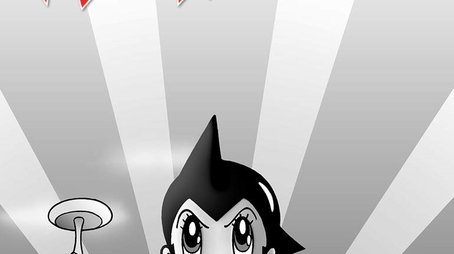
In the year 2003, Dr. Tenma, a brilliant scientist, is devastated by the loss of his young son, Tobio, who died in a car accident. In his grief, he decides to create a robot that resembles Tobio, hoping to fill the void left by his son. He constructs Astro Boy, a highly advanced robot with human emotions, super strength, and the ability to fly. However, when Dr. Tenma realizes that Astro cannot replace his son and is not truly human, he becomes disillusioned and abandons Astro, leaving him to fend for himself.
Astro Boy wanders the world, struggling to find his place. He encounters various robots and humans, facing prejudice and fear from those who see him as a mere machine. Despite this, he remains optimistic and determined to prove his worth. He eventually meets a group of children who accept him, and he begins to understand the value of friendship and compassion. However, his journey is fraught with challenges, as he often finds himself in conflict with those who wish to exploit or destroy robots.
One day, Astro Boy learns of a plot by the evil scientist Dr. Elefun, who is creating a powerful robot army to take over the world. Astro decides to confront Dr. Elefun and stop his plans. He infiltrates the lab, using his agility and intelligence to evade security measures. When he finally confronts Dr. Elefun, a fierce battle ensues. Astro uses his strength and flight capabilities to outmaneuver the robotic guards, but Dr. Elefun reveals a hidden weapon that puts Astro in a precarious position.
During the fight, Astro Boy is momentarily incapacitated by a powerful energy blast. However, he quickly recovers, driven by his desire to protect the innocent and prove his worth. He engages in a fierce aerial battle with Dr. Elefun's robots, showcasing his agility and combat skills. The fight escalates, with explosions and debris flying everywhere, as Astro Boy fights to save the city from destruction.
As the battle rages on, Astro Boy faces a moral dilemma when he discovers that Dr. Elefun has taken hostages, including the children he befriended. Torn between defeating Dr. Elefun and saving the hostages, Astro Boy makes a critical decision. He uses his intelligence to devise a plan that allows him to rescue the children while simultaneously disabling Dr. Elefun's robots. With a combination of quick thinking and bravery, Astro successfully frees the hostages and defeats Dr. Elefun's army.
In the aftermath of the battle, Astro Boy is hailed as a hero. The people who once feared him now recognize his bravery and humanity. Dr. Tenma, witnessing Astro's heroics, begins to understand the true nature of his creation. He realizes that Astro Boy, despite being a robot, possesses qualities that make him more human than he ever imagined. This revelation leads to a tentative reconciliation between father and son, as Dr. Tenma acknowledges Astro's individuality and the bond they share.
Astro Boy continues his journey, embracing his identity as a protector of both humans and robots. He faces new challenges and adventures, always striving to bridge the gap between the two worlds. His story unfolds with themes of acceptance, courage, and the quest for belonging, as he navigates a world that often struggles to understand him. Each episode presents new villains, moral dilemmas, and opportunities for growth, solidifying Astro Boy's role as a symbol of hope and resilience in a complex world.








What is the ending?
In the ending of the 1963 TV show Astro Boy, Astro confronts the villainous Dr. Tenma, who has been manipulating events to achieve his own goals. After a fierce battle, Astro ultimately triumphs, restoring peace and order. The series concludes with Astro continuing his mission to protect humanity and promote harmony between humans and robots.
As the final episodes unfold, we find ourselves in a world on the brink of chaos. The city is under threat from Dr. Tenma, who has unleashed a series of powerful robots to wreak havoc. The atmosphere is tense, with citizens in a state of panic as they witness the destruction caused by Tenma's creations.
Scene 1: The city streets are filled with smoke and debris. Astro Boy, with his signature jet boots and determined expression, flies through the air, scanning for signs of trouble. His heart is heavy with the knowledge that he must confront his creator, Dr. Tenma, who has become consumed by his desire for power. Astro's internal conflict is palpable; he feels a deep sense of loyalty to Tenma but also understands that he must stop him to protect innocent lives.
Scene 2: In a dark, foreboding laboratory, Dr. Tenma is seen surrounded by his monstrous robots, each one a testament to his genius and madness. His eyes gleam with a mix of pride and desperation as he prepares for the final showdown. He believes that by controlling these robots, he can prove his superiority over humanity. The emotional weight of his past decisions hangs heavily in the air, as he reflects on the loss of his son and the twisted path he has taken since.
Scene 3: The confrontation begins in a desolate area outside the city. Astro Boy and Dr. Tenma face off, the tension crackling like electricity. Astro, filled with a mix of sadness and resolve, pleads with Tenma to stop the destruction. He recalls the moments of joy they shared, hoping to reach the remnants of the man who once cared for him. Tenma, however, is blinded by his ambition and refuses to listen, leading to a fierce battle between creator and creation.
Scene 4: The fight escalates, with Astro using his incredible strength and agility to dodge Tenma's robots. Each clash is filled with emotional intensity, as Astro struggles not only against the physical threat but also against the emotional turmoil of fighting someone he once loved. The city watches in awe and fear, caught between the two powerful beings.
Scene 5: In a climactic moment, Astro taps into his full potential, unleashing a powerful energy blast that disables Tenma's robots. The explosion sends shockwaves through the area, and for a moment, everything is silent. As the dust settles, Astro stands victorious but weary, his heart heavy with the knowledge of what he has had to do.
Scene 6: Dr. Tenma, defeated and surrounded by the remnants of his failed creations, finally sees the destruction he has caused. In a moment of clarity, he realizes the error of his ways. His expression shifts from anger to sorrow as he acknowledges the pain he has inflicted on both Astro and the world. He collapses to his knees, a broken man, as Astro approaches him with compassion.
Scene 7: The series concludes with Astro Boy looking out over the city, now peaceful once more. He reflects on the battle and the lessons learned. The citizens, once fearful, now look to him as a protector and a symbol of hope. Astro's resolve to continue his mission is stronger than ever, as he vows to bridge the gap between humans and robots, ensuring that such conflict never arises again.
In the end, Dr. Tenma is left to ponder his choices, a tragic figure who has lost everything to his ambition. Astro Boy, on the other hand, stands as a beacon of hope, embodying the potential for harmony and understanding in a world fraught with division. The series closes with Astro soaring into the sky, a symbol of resilience and the enduring spirit of compassion.
Is there a post-credit scene?
The 1963 version of Astro Boy does not feature post-credit scenes. The episodes typically conclude with a brief wrap-up of the story, often highlighting a moral lesson or a reflection on the events that transpired. The format of the show was more traditional for its time, focusing on the narrative within the episode itself rather than extending the story beyond the credits. Each episode stands alone, with Astro Boy's adventures and challenges resolved by the end, leaving no additional scenes after the credits.
How does Astro Boy's relationship with Dr. Tenma evolve throughout the series?
Initially, Astro Boy views Dr. Tenma as a father figure, longing for his approval and love. However, after being abandoned, Astro Boy feels a deep sense of betrayal and confusion. As the series progresses, their relationship becomes complex; Dr. Tenma grapples with his feelings of guilt and regret for creating Astro Boy only to reject him. In various episodes, they encounter each other again, leading to moments of tension, reconciliation, and a deeper understanding of each other's struggles, showcasing the emotional depth of their bond.
What is the origin story of Astro Boy and how does he come to be a robot boy?
Astro Boy, originally named Tobio, is the son of Dr. Tenma, a brilliant scientist who creates him after the tragic death of his biological son, Tobio, in a car accident. Dr. Tenma, devastated by the loss, builds Astro Boy in the image of his son, equipping him with incredible powers and abilities. However, when Dr. Tenma realizes that Astro Boy cannot fill the void left by Tobio, he becomes disillusioned and abandons him. This abandonment sets Astro Boy on a journey of self-discovery and acceptance, as he seeks to understand his place in the world.
What are some of the key villains that Astro Boy faces, and what motivates their actions?
Astro Boy encounters several notable villains throughout the series, including the evil scientist Dr. Elefun, who seeks to dominate the world with his robotic creations, and the sinister robot, the Blue Knight, who is driven by jealousy and a desire for power. Each villain has distinct motivations; for instance, Dr. Elefun's obsession with control stems from a desire to prove his superiority over humans, while the Blue Knight's actions are fueled by a longing for recognition and validation. These confrontations often challenge Astro Boy's ideals of justice and compassion.
What role does Uran, Astro Boy's sister, play in the series?
Uran, Astro Boy's younger sister, is introduced as a playful and curious robot girl who embodies innocence and joy. She often serves as a source of emotional support for Astro Boy, reminding him of the importance of family and love. Uran's character also highlights the theme of sibling bonds, as she looks up to Astro Boy and admires his heroic deeds. Throughout the series, she occasionally gets involved in adventures alongside him, showcasing her bravery and resourcefulness, which adds depth to their sibling relationship.
How does Astro Boy's quest for acceptance and identity manifest in specific episodes?
Astro Boy's quest for acceptance and identity is poignantly illustrated in episodes such as 'The Birth of Astro Boy,' where he struggles with his robotic nature and the rejection he faces from humans. In another episode, 'The Great Race,' Astro Boy competes against human racers, grappling with feelings of inadequacy and the desire to prove himself. These episodes delve into his internal conflicts, showcasing his determination to be recognized not just as a robot, but as a being with emotions and a heart, ultimately seeking to bridge the gap between humans and robots.
Is this family friendly?
The 1963 version of Astro Boy is generally considered family-friendly, but there are a few scenes and themes that might be potentially objectionable or upsetting for children or sensitive viewers. Here are some aspects to consider:
-
Violence and Conflict: The series features various battles between Astro Boy and antagonists, including robots and monsters. These confrontations can be intense, with scenes of destruction and peril.
-
Death and Loss: The theme of loss is prevalent, particularly in Astro Boy's backstory, where he grapples with the death of his creator, Dr. Tenma. This can evoke feelings of sadness and grief.
-
Existential Themes: Astro Boy often questions his identity and purpose as a robot, which may lead to deeper philosophical discussions that could be confusing or unsettling for younger viewers.
-
Discrimination and Prejudice: The series touches on themes of discrimination against robots, which can parallel real-world issues of prejudice and acceptance, potentially prompting uncomfortable conversations.
-
Emotional Struggles: Characters experience a range of emotions, including anger, sadness, and loneliness, which may resonate deeply with sensitive viewers.
While these elements are handled in a way that is suitable for a younger audience, they may still provoke thought or discomfort in some children or sensitive individuals.