


Popular
What role does Doc Holliday play in Wyatt Earp's life and how does their friendship develop throughout the series?
How does the character of Wyatt Earp evolve from a lawman to a more complex figure throughout the series?
What is the significance of the gunfight at the O.K. Corral in the series, and how is it portrayed?
How does the character of Virgil Earp contribute to the dynamics of the Earp family and their fight against lawlessness?
What are the motivations behind the actions of the Clanton gang, and how do they serve as antagonists in the series?
Should I watch it?
Ask Your Own Question

What is the plot?
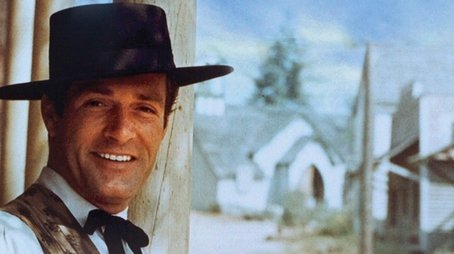
The series begins with Wyatt Earp, portrayed by Hugh O'Brian, arriving in the town of Dodge City, Kansas, in the late 1870s. He is introduced as a lawman with a strong sense of justice, seeking to establish order in a town rife with crime and lawlessness. The opening scenes depict the chaotic atmosphere of Dodge City, with saloons bustling and gunfights breaking out. Wyatt quickly assesses the situation and decides to take on the role of the town's deputy sheriff, motivated by a desire to protect the innocent and restore peace.
As Wyatt settles into his new role, he encounters various characters, including his friend Doc Holliday, a gambler with a reputation for being quick on the draw. Their friendship is established through a series of interactions that highlight their contrasting personalities--Wyatt's steadfastness and Doc's reckless nature. The tension in Dodge City escalates when a notorious gang, the Clantons, arrives, threatening the stability Wyatt is trying to maintain. Wyatt's determination to confront the gang is fueled by his sense of duty and the need to protect the townsfolk.
In a pivotal scene, Wyatt confronts the Clantons in a tense standoff at the local saloon. The confrontation escalates into a gunfight, showcasing Wyatt's sharpshooting skills and his ability to remain calm under pressure. He successfully disarms several gang members, but the leader, Ike Clanton, manages to escape, vowing revenge. This moment solidifies Wyatt's reputation as a formidable lawman, but it also sets the stage for ongoing conflict with the Clantons.
As the series progresses, Wyatt faces personal challenges, including his complicated relationship with his love interest, Josephine Marcus. Their romance develops amidst the backdrop of Wyatt's law enforcement duties, creating emotional tension as he struggles to balance his feelings for her with his responsibilities. Josephine's character adds depth to Wyatt's motivations, as she represents both a source of support and a reminder of the dangers that come with his chosen path.
The conflict with the Clantons intensifies when they plot to ambush Wyatt and his allies. In a carefully orchestrated scene, the gang lays a trap for Wyatt and Doc, leading to a dramatic showdown in a remote area outside of town. The ambush is fraught with tension, as Wyatt and Doc must rely on their instincts and quick thinking to survive. The fight is depicted in vivid detail, with gunfire ringing out and dust swirling around them as they take cover and return fire. Wyatt's leadership and strategic thinking shine through as he devises a plan to outmaneuver the Clantons.
In the aftermath of the ambush, Wyatt's resolve is tested as he grapples with the consequences of his actions. The emotional weight of the violence weighs heavily on him, and he reflects on the toll that his role as a lawman takes on his personal life. This internal struggle is portrayed through poignant moments of solitude, where Wyatt contemplates the cost of justice and the impact on those he loves.
The climax of the series occurs during the infamous Gunfight at the O.K. Corral, where Wyatt, Doc, and their allies face off against the Clantons and their associates. The scene is meticulously crafted, with each character's motivations and emotions laid bare as they prepare for the confrontation. The tension builds as both sides take their positions, and the air is thick with anticipation. When the gunfight erupts, it is a chaotic flurry of movement and sound, with bullets flying and men shouting. Wyatt's leadership is crucial as he coordinates the defense, showcasing his bravery and tactical acumen.
Following the gunfight, the fallout reverberates through Dodge City. The community grapples with the aftermath of the violence, and Wyatt is faced with the reality of his choices. The emotional toll is evident as he interacts with the townsfolk, who both admire and fear him. His relationship with Josephine becomes strained as she questions the path he has chosen, leading to heartfelt conversations that reveal their vulnerabilities.
As the series nears its conclusion, Wyatt's reputation as a lawman is solidified, but he is also portrayed as a man weary of the constant conflict. He reflects on the nature of justice and the sacrifices he has made, leading to a sense of introspection. The final scenes depict Wyatt contemplating his future, hinting at the possibility of leaving Dodge City behind in search of a more peaceful life. The series ends on a note of ambiguity, leaving viewers to ponder the complexities of Wyatt Earp's legacy as both a lawman and a man caught in the tumult of the Wild West.









What is the ending?
The ending of "The Life and Legend of Wyatt Earp" sees Wyatt Earp continuing his role as a lawman in Tombstone, facing the challenges of maintaining order in a lawless town. The series concludes with Wyatt reflecting on his life and the choices he has made, emphasizing themes of justice and the burdens of his responsibilities.
In a more detailed narrative, the final scenes unfold in the dusty streets of Tombstone, where the sun casts long shadows over the town. Wyatt Earp, portrayed with a stoic demeanor, stands at the center of the action, embodying the weight of his role as a lawman. The tension in the air is palpable as he prepares to confront the Clanton gang, who have been a persistent threat to the peace he strives to maintain.
As the scene progresses, Wyatt gathers his trusted allies, including Doc Holliday, who stands by him with a mix of loyalty and weariness. The camaraderie between the two men is evident, underscored by their shared history and the unspoken understanding of the dangers they face. Doc, with his characteristic bravado, offers a few sardonic remarks, but there is a seriousness in his eyes that reflects the gravity of their situation.
The confrontation with the Clantons is inevitable. The camera captures the dusty street, the tension building as both sides prepare for a showdown. Wyatt's internal conflict is evident; he is a man torn between his duty to uphold the law and the personal vendettas that threaten to consume him. As the gunfire erupts, the chaos of the moment is vividly portrayed, with bullets flying and dust swirling around the combatants.
In the aftermath of the gunfight, the consequences of their actions become clear. The Clanton gang is defeated, but not without cost. Wyatt stands amidst the wreckage, his face a mask of determination mixed with sorrow. He knows that while he has restored a semblance of order, the cycle of violence is far from over. The camera lingers on his face, capturing the weight of his choices and the loneliness that comes with his position.
As the dust settles, Wyatt reflects on the lives lost and the friendships strained. Doc Holliday, ever the loyal friend, offers a moment of solace, reminding Wyatt of the importance of their bond. The two men share a quiet moment, acknowledging the toll that their lives have taken on them. Doc's health is failing, and there is an unspoken understanding that their time together is limited.
The series concludes with Wyatt Earp standing alone, looking out over Tombstone as the sun sets on the horizon. The fading light symbolizes the end of an era, and Wyatt's expression reveals a mix of resolve and melancholy. He knows that his fight for justice will continue, but the personal sacrifices he has made weigh heavily on his heart.
In the final moments, the camera pulls back, showing the vastness of the landscape around Tombstone, a reminder of the wildness of the West and the challenges that lie ahead. Wyatt Earp's legacy as a lawman is cemented, but the emotional toll of his journey is evident, leaving viewers with a poignant sense of the complexities of his character and the world he inhabits. The screen fades to black, marking the end of Wyatt's story, but the legend of his life continues to resonate.
Is there a post-credit scene?
The Life and Legend of Wyatt Earp, produced in 1955, does not feature post-credit scenes. The episodes typically conclude with a final scene that wraps up the story, often accompanied by a narration that reflects on the events that transpired. The format of the show adheres to the traditional structure of television at the time, focusing on the main narrative without additional content after the credits. Each episode stands alone, telling a complete story of Wyatt Earp's life and adventures in the Old West, without the modern practice of post-credit sequences.
What role does Doc Holliday play in Wyatt Earp's life and how does their friendship develop throughout the series?
Doc Holliday, portrayed as a complex character, serves as both a close friend and a moral compass for Wyatt Earp. Their friendship is rooted in mutual respect and shared experiences, particularly during tense moments in Dodge City and Tombstone. As the series progresses, viewers witness the evolution of their bond, especially during confrontations with the Clantons and other adversaries. Doc's loyalty is tested, and his struggles with illness and mortality add depth to their relationship, showcasing the emotional weight of their camaraderie.
How does the character of Wyatt Earp evolve from a lawman to a more complex figure throughout the series?
Wyatt Earp begins as a straightforward lawman, dedicated to upholding justice in the chaotic environment of the Old West. However, as the series unfolds, he faces moral dilemmas that challenge his ideals. The violent confrontations with outlaws and the personal losses he endures, including the death of friends and the betrayal of allies, lead him to adopt a more pragmatic approach to law and order. This evolution is marked by moments of introspection, where Wyatt grapples with the consequences of his actions and the blurred lines between right and wrong.
What is the significance of the gunfight at the O.K. Corral in the series, and how is it portrayed?
The gunfight at the O.K. Corral is a pivotal moment in the series, depicted with intense drama and emotional stakes. The buildup to the confrontation showcases the escalating tensions between Wyatt Earp, his brothers, and the Clanton gang. The series portrays the gunfight not just as a physical battle, but as a culmination of personal vendettas and the struggle for justice. The aftermath of the gunfight deeply affects Wyatt, leading to a sense of loss and the realization of the violent reality of his role as a lawman.
How does the character of Virgil Earp contribute to the dynamics of the Earp family and their fight against lawlessness?
Virgil Earp, as Wyatt's older brother, plays a crucial role in the family dynamic and the fight against lawlessness. His character is portrayed as a stabilizing force, often acting as a mediator between Wyatt's impulsive nature and the more cautious approach of their other brother, Morgan. Virgil's commitment to law enforcement and his own experiences in the line of duty add layers to the family's struggle against the Clantons. His eventual injury during the conflict with the outlaws serves as a turning point, intensifying the family's resolve and highlighting the personal stakes involved in their battle for justice.
What are the motivations behind the actions of the Clanton gang, and how do they serve as antagonists in the series?
The Clanton gang is portrayed as ruthless antagonists driven by greed, power, and a desire to control the lawless environment of the Old West. Their motivations stem from a mix of personal vendettas against the Earp family and a broader ambition to establish dominance in Tombstone. The series delves into their backstory, revealing the desperation and moral corruption that fuel their actions. This complexity adds depth to their role as villains, as they are not merely obstacles for Wyatt Earp but represent the chaotic forces of lawlessness that he must confront.
Is this family friendly?
"The Life and Legend of Wyatt Earp," produced in 1955, is generally considered family-friendly, but it does contain some elements that may be objectionable or upsetting for children or sensitive viewers. Here are a few aspects to consider:
-
Violence: The show often depicts gunfights and confrontations typical of the Wild West, which may include shooting and physical altercations. While not graphic by modern standards, the portrayal of violence can be intense.
-
Death: Characters may face life-threatening situations, and there are instances of death, particularly in the context of duels and law enforcement confrontations. The emotional weight of loss can be present in certain episodes.
-
Moral Ambiguity: Some characters may exhibit morally questionable behavior, such as betrayal or deception, which could be confusing for younger viewers trying to understand right from wrong.
-
Themes of Law and Order: The show often explores themes of justice and the complexities of law enforcement in a lawless environment, which may raise questions about authority and morality.
-
Emotional Conflict: Characters experience personal struggles, including fear, anger, and loss, which may resonate deeply with sensitive viewers.
While the series is rooted in historical events and often emphasizes themes of justice and heroism, parents may want to preview episodes to gauge their suitability for younger audiences.