


Popular
Who is the main character in Lawman and what motivates him?
What is the relationship between Marshal Dan Troop and Deputy Johnny McKay?
What are some of the key conflicts that arise in the episodes of Lawman?
How does the character of Marshal Dan Troop handle moral dilemmas throughout the series?
What role do women play in the storylines of Lawman?
Should I watch it?
Ask Your Own Question

What is the plot?
"Lawman" is a 1958 television series that follows the life of a lawman named Dan Troop, who serves as the sheriff of the small town of Laramie, Wyoming. The series is set in the Old West and features various episodes that highlight the challenges and moral dilemmas faced by Troop as he upholds the law.
In the pilot episode, the story begins with Sheriff Dan Troop riding into Laramie on horseback, surveying the town and its inhabitants. He is a man of principle, dedicated to maintaining order and justice. The townspeople respect him, but there is an underlying tension as a gang of outlaws has been causing trouble in the area.
As the episode progresses, Troop learns that the gang, led by a notorious outlaw named Frank Darnell, is planning to rob the local bank. Troop gathers his deputies and devises a plan to thwart the robbery. He instructs them to keep a close watch on the bank and to be ready for any signs of trouble.
The day of the robbery arrives, and Troop is on high alert. He positions his deputies strategically around the bank, ensuring they are hidden from view. As the gang approaches, Troop can see the tension in their body language; they are nervous but determined. The gang bursts into the bank, guns drawn, demanding money from the tellers.
Troop and his deputies spring into action. A gunfight erupts outside the bank as Troop shouts orders to his men. The sound of gunfire echoes through the streets, and the townspeople scatter for cover. Troop takes cover behind a nearby wagon, his heart racing as he assesses the situation. He knows he must act quickly to protect the townspeople and stop the gang.
In the midst of the chaos, Troop spots Darnell trying to escape through a back alley. He pursues him, adrenaline pumping through his veins. The chase is intense, with Troop navigating through narrow streets and dodging obstacles. Darnell is fast, but Troop is determined. He finally corners Darnell in a dead-end alley.
A tense standoff ensues. Darnell, desperate and cornered, pulls his gun, but Troop remains calm, his own weapon drawn. He tries to reason with Darnell, appealing to his sense of right and wrong. Darnell hesitates, and in that moment of uncertainty, Troop takes the opportunity to disarm him, wrestling the gun away and subduing him.
With Darnell captured, Troop returns to the bank, where the situation is under control. The townspeople emerge from their hiding places, relieved and grateful. Troop reassures them that the danger has passed, but he knows that the threat of the gang is not entirely over. He vows to continue protecting Laramie and its citizens.
As the episode concludes, Troop reflects on the day's events. He understands the weight of his responsibilities as a lawman and the constant battle between good and evil in the Old West. The camera pans out, showing the town of Laramie, peaceful once again, but with the ever-present tension of the lawman's duty looming in the background.









What is the ending?
In the final episode of "Lawman," the story culminates in a tense showdown between the lawman, Marshal Dan Troop, and a notorious outlaw gang. The episode concludes with the capture of the gang members, showcasing Troop's unwavering commitment to justice. The fate of the main characters sees Troop emerging victorious, while the outlaws face imprisonment.
As the episode begins, the sun sets over the dusty town of Laramie, casting long shadows across the main street. Marshal Dan Troop, a figure of steadfast resolve, stands at the edge of town, his eyes scanning the horizon. He senses trouble brewing as rumors of a gang of outlaws have reached his ears. The townsfolk, anxious and fearful, gather in small groups, whispering about the impending threat.
Troop, embodying the spirit of law and order, gathers his deputy, Johnny, and they strategize on how to confront the gang. The tension is palpable as they discuss the gang's recent robberies and violent encounters. Troop's determination is evident; he feels a deep responsibility to protect the town and its people. His internal conflict is clear--he must balance the need for justice with the safety of his community.
As night falls, the gang makes their move, attempting to rob the local bank. Troop and Johnny, having anticipated this, position themselves strategically outside the bank. The scene is charged with suspense as the gang bursts in, guns drawn, demanding money. Inside, the bank employees and customers are terrified, their faces pale with fear. The sound of shattering glass and shouting fills the air.
Troop and Johnny spring into action, bursting through the bank doors just as the gang begins to make their escape. A fierce gunfight ensues, bullets flying and ricocheting off the walls. Troop's calm demeanor under pressure is a stark contrast to the chaos around him. He moves with purpose, taking cover and returning fire, his heart racing but his mind focused on the task at hand.
One by one, the gang members fall, either captured or wounded. The leader of the gang, a ruthless figure known for his cunning, tries to make a last stand. Troop confronts him directly, their eyes locking in a moment of intense confrontation. The outlaw's bravado crumbles as Troop's unwavering resolve shines through. In a final act of desperation, the outlaw attempts to flee but is swiftly apprehended by Troop.
With the gang subdued, the townspeople emerge from their hiding places, relief washing over their faces. Troop stands tall, a symbol of justice and protection. The captured outlaws are led away in handcuffs, their fate sealed as they face the consequences of their actions. The townsfolk express their gratitude, rallying around Troop and Johnny, who have once again defended their home.
As the episode draws to a close, Troop reflects on the events that transpired. He understands the weight of his role as a lawman, the sacrifices made, and the lives affected by the choices of both the law and the outlaws. The camera pans out, capturing the peaceful town of Laramie under the starlit sky, a reminder of the ongoing struggle between good and evil, and the enduring spirit of those who stand for justice.
Is there a post-credit scene?
The TV show "Lawman," which aired in 1958, does not feature post-credit scenes. The series, centered around the character of Marshal Dan Troop, focused on the law enforcement challenges in the town of Laramie, Wyoming. Each episode concluded with a resolution to the central conflict, typically involving the capture of outlaws or the resolution of a crime, but there were no additional scenes or content after the credits rolled. The storytelling was straightforward, emphasizing the moral dilemmas and the responsibilities of law enforcement during that era.
Who is the main character in Lawman and what motivates him?
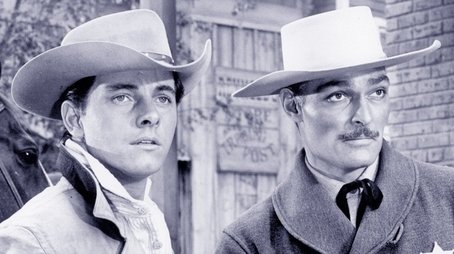
The main character in Lawman is Marshal Dan Troop, portrayed by John Russell. Troop is a dedicated lawman who is deeply committed to maintaining order and justice in the town of Laramie. His motivations stem from a strong sense of duty and a desire to protect the townspeople from lawlessness and crime. He often grapples with the moral complexities of his role, balancing the enforcement of the law with compassion for those he must confront.
What is the relationship between Marshal Dan Troop and Deputy Johnny McKay?
Marshal Dan Troop and Deputy Johnny McKay, played by Peter Brown, share a close working relationship that evolves into a strong friendship. Troop serves as a mentor to McKay, who is younger and less experienced. Their dynamic is characterized by mutual respect, with Troop often guiding McKay through the challenges of law enforcement. McKay's eagerness to prove himself sometimes leads to reckless decisions, which Troop must navigate with patience and understanding.
What are some of the key conflicts that arise in the episodes of Lawman?
Key conflicts in Lawman often revolve around the struggle between law and chaos in the town of Laramie. Episodes frequently feature outlaws attempting to disrupt the peace, leading to confrontations with Troop and McKay. Personal vendettas, misunderstandings, and the moral dilemmas of enforcing the law against individuals with complex backgrounds create tension. For instance, Troop may face a situation where he must decide whether to uphold the law strictly or show leniency based on the circumstances surrounding a crime.
How does the character of Marshal Dan Troop handle moral dilemmas throughout the series?
Marshal Dan Troop often finds himself in morally ambiguous situations where the law may not align with justice. His internal struggle is palpable as he weighs the consequences of his actions on the community and the individuals involved. For example, in certain episodes, he may encounter a criminal who has committed a crime out of desperation, forcing Troop to consider the broader context of the person's actions. His decisions reflect a deep sense of empathy, often leading him to seek alternative solutions that uphold justice without resorting to violence.
What role do women play in the storylines of Lawman?
Women in Lawman are portrayed in various roles that contribute to the narrative, from strong, independent characters to those who embody traditional roles. They often serve as pivotal figures in the plot, influencing the actions of the male characters. For instance, female characters may be involved in subplots that highlight their resilience and resourcefulness, such as running businesses or standing up against injustice. Their interactions with Troop and McKay often reveal the complexities of gender dynamics in the Old West, showcasing both the challenges and strengths of women during that era.
Is this family friendly?
"Lawman," produced in 1958, is a Western television series that follows the character of Marshal Dan Troop, played by John Russell, as he maintains law and order in the town of Laramie, Wyoming. The show is generally considered family-friendly, but it does contain some elements that may be potentially objectionable or upsetting for children or sensitive viewers.
-
Violence: The series features gunfights and confrontations typical of the Western genre. While not excessively graphic, there are scenes of shootouts and physical altercations that may be intense for younger viewers.
-
Death and Injury: Characters may be shown injured or killed, which can be distressing. The emotional aftermath of these events is sometimes explored, adding a layer of seriousness to the narrative.
-
Themes of Justice and Morality: The show often delves into moral dilemmas and the complexities of justice, which may be challenging for younger audiences to fully grasp. Characters face tough choices that can lead to emotional conflict.
-
Depictions of Crime: The portrayal of outlaws and criminal behavior, while not overly graphic, may introduce children to concepts of lawlessness and rebellion against authority.
-
Emotional Turmoil: Characters experience loss, betrayal, and moral conflict, which can evoke strong emotions. The portrayal of these feelings may resonate differently with sensitive viewers.
Overall, while "Lawman" is suitable for family viewing, parents may want to consider these aspects when deciding if it is appropriate for their children.