


Popular
Who is the Lone Ranger's trusted companion and what role do they play in the series?
What is the significance of the Lone Ranger's mask and how does it affect his identity?
What is the backstory of the Lone Ranger and how did he become a hero?
What are some of the main villains the Lone Ranger faces throughout the series?
How does the Lone Ranger's use of the silver bullets symbolize his mission?
Should I watch it?
Ask Your Own Question

What is the plot?
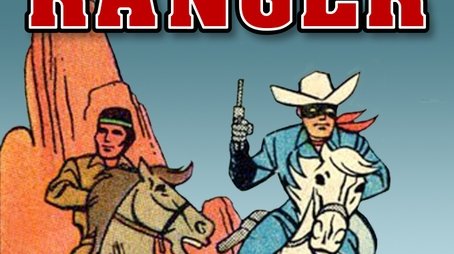
In the 1966 television series "The Lone Ranger," the story begins with a flashback to the early days of the West, where a group of outlaws ambush a posse of Texas Rangers. Among the Rangers is John Reid, who is the only survivor of the attack. He is found by Tonto, a Native American warrior, who helps him recover. After regaining his strength, Reid decides to take on the persona of the Lone Ranger to fight against the injustices of the West and bring the outlaws to justice.
Reid dons a mask to conceal his identity and adopts a white horse, Silver, as his steed. Tonto becomes his trusted companion, and together they set out to track down the outlaws responsible for the ambush. Their first target is Butch Cavendish, the leader of the gang. The Lone Ranger and Tonto gather information from townsfolk and learn that Cavendish is planning to rob a stagecoach carrying a shipment of gold.
As they prepare to confront Cavendish, the Lone Ranger and Tonto devise a plan to intercept the stagecoach. They hide in the brush along the route and wait for the outlaws to strike. When the stagecoach arrives, the outlaws attack, and a fierce gunfight ensues. The Lone Ranger and Tonto spring into action, using their skills to outmaneuver the outlaws. The Lone Ranger fires his silver bullets, which are symbolic of his commitment to justice, and manages to take down several of Cavendish's men.
After the skirmish, the Lone Ranger and Tonto successfully protect the stagecoach and its passengers. However, Cavendish escapes, vowing revenge. The Lone Ranger realizes that he must track down Cavendish before he can regroup and launch another attack. They follow the trail of the outlaws, leading them to a hidden hideout in the mountains.
In the hideout, the Lone Ranger and Tonto overhear Cavendish plotting his next move. They learn that he plans to rob a bank in a nearby town. The duo decides to infiltrate the gang by disguising themselves as outlaws. They manage to gain the trust of Cavendish and his men, but the Lone Ranger struggles with the moral implications of deceiving others for the greater good.
As the day of the bank robbery approaches, the Lone Ranger and Tonto gather intelligence on the gang's plan. They discover that Cavendish intends to use hostages to ensure a successful getaway. The Lone Ranger devises a counter-plan to rescue the hostages and thwart the robbery. On the day of the heist, the Lone Ranger and Tonto position themselves strategically around the bank.
When the robbery begins, the Lone Ranger signals Tonto to spring into action. They engage in a tense standoff with Cavendish and his men. The Lone Ranger uses his sharpshooting skills to disarm the outlaws, while Tonto works to free the hostages. A chaotic gunfight erupts inside the bank, with bullets flying and tension mounting. The Lone Ranger's quick thinking and agility allow him to outmaneuver Cavendish, leading to a climactic showdown.
In the final confrontation, the Lone Ranger faces Cavendish directly. The two engage in a fierce duel, with Cavendish taunting the Lone Ranger about his past. The Lone Ranger, fueled by a sense of justice and the memory of his fallen comrades, ultimately prevails. He disarms Cavendish and apprehends him, bringing him to justice.
With Cavendish captured, the Lone Ranger and Tonto ride back into the sunset, knowing that their fight for justice is far from over. They reflect on their journey and the importance of standing up against tyranny and injustice in the West. The episode concludes with the Lone Ranger's iconic call of "Hi-yo, Silver!" as they ride off to their next adventure.







What is the ending?
In the ending of the 1966 television series "The Lone Ranger," the Lone Ranger and Tonto successfully thwart a plot by a gang of outlaws to rob a bank. They manage to capture the criminals and restore peace to the town. The Lone Ranger rides off into the sunset with Tonto, symbolizing their ongoing commitment to justice.
Now, let's delve into the ending in a more detailed narrative fashion.
As the final episode unfolds, the sun begins to set over the dusty town, casting long shadows across the main street. The Lone Ranger, clad in his iconic mask and hat, rides into town on his faithful steed, Silver, with Tonto by his side on Scout. The atmosphere is tense; townsfolk whisper anxiously about the notorious gang that has been terrorizing their community.
Scene 1: The Town Square The camera pans over the town square, where a group of outlaws, led by a menacing figure named Black Bart, is gathered. They are plotting their next move, their faces hardened and determined. The tension is palpable as they discuss their plan to rob the local bank, which is rumored to be holding a large shipment of gold. The townspeople, fearful and desperate, look on from a distance, hoping for a hero to save them.
Scene 2: The Lone Ranger's Arrival The Lone Ranger and Tonto arrive just in time to overhear the gang's plan. The Ranger's eyes narrow beneath his mask, and he exchanges a knowing glance with Tonto, who nods in agreement. They understand the stakes; the safety of the town depends on their swift action. The Ranger's heart beats with resolve, fueled by his unwavering commitment to justice.
Scene 3: The Confrontation As the outlaws make their way to the bank, the Lone Ranger and Tonto spring into action. They ride into the fray, the sound of hooves pounding against the ground echoing in the still air. The Ranger draws his silver revolver, and Tonto readies his bow and arrows. A fierce gunfight ensues, bullets flying as the Lone Ranger expertly maneuvers through the chaos, his movements fluid and precise. Tonto provides cover, his keen instincts guiding him as he takes down several outlaws with his arrows.
Scene 4: The Capture After a tense standoff, the Lone Ranger manages to corner Black Bart. With a swift and calculated move, he disarms the outlaw, forcing him to surrender. The townspeople, who have gathered to witness the showdown, erupt in cheers as the Lone Ranger stands tall, a symbol of hope and bravery. Tonto secures the remaining gang members, ensuring that they will face justice for their crimes.
Scene 5: The Aftermath With the outlaws captured, the town begins to breathe a sigh of relief. The sheriff, grateful for the Lone Ranger's intervention, thanks him and Tonto for their bravery. The Ranger, ever humble, simply tips his hat and reminds the townsfolk that justice is a collective effort. He emphasizes the importance of standing together against wrongdoing, a lesson that resonates deeply with the community.
Scene 6: The Departure As the sun sets, painting the sky in hues of orange and purple, the Lone Ranger and Tonto prepare to leave. They mount their horses, Silver and Scout, and the Ranger looks back at the townspeople, who wave in gratitude. There is a sense of fulfillment in his heart; he knows that they have made a difference today. Tonto shares a quiet moment with the Ranger, their bond strengthened by their shared mission.
Scene 7: Riding into the Sunset With a final nod to the townsfolk, the Lone Ranger and Tonto ride off into the horizon, the iconic theme music swelling in the background. The camera captures their silhouettes against the setting sun, symbolizing their eternal quest for justice. The episode closes with the promise that wherever there is injustice, the Lone Ranger and Tonto will be there to fight for what is right.
In this ending, the fate of the main characters is clear: the Lone Ranger and Tonto continue their journey as protectors of the innocent, while the outlaws face the consequences of their actions, brought to justice by the very heroes they underestimated. The story concludes with a reaffirmation of the values of courage, friendship, and the relentless pursuit of justice.
Is there a post-credit scene?
The 1966 television series "The Lone Ranger" does not feature post-credit scenes. Each episode typically concludes with a brief wrap-up of the story, often highlighting the moral lesson learned, followed by the iconic theme music. The show focuses on the adventures of the Lone Ranger and his faithful companion, Tonto, as they fight for justice in the Old West, and the format adheres to traditional storytelling without the inclusion of additional scenes after the credits.
Who is the Lone Ranger's trusted companion and what role do they play in the series?
The Lone Ranger's trusted companion is Tonto, a Native American who serves as his loyal friend and sidekick. Tonto is portrayed as wise and resourceful, often providing crucial support to the Lone Ranger in their adventures. He helps the Lone Ranger navigate through various challenges, using his knowledge of the land and his skills in tracking and survival.
What is the significance of the Lone Ranger's mask and how does it affect his identity?
The Lone Ranger's mask is a symbol of his commitment to justice and anonymity. It conceals his identity, allowing him to operate outside the law while still upholding it. The mask represents his transformation from John Reid, a lawman, to the Lone Ranger, a vigilante fighting for the oppressed. It also serves to inspire hope among the people he protects.
What is the backstory of the Lone Ranger and how did he become a hero?
The Lone Ranger, originally John Reid, was a Texas Ranger who was ambushed along with his fellow rangers by outlaws. He was the only survivor, saved by Tonto, who nursed him back to health. After learning the truth about the ambush, John Reid decided to don a mask and fight for justice, becoming the Lone Ranger to protect the innocent and bring criminals to justice.
What are some of the main villains the Lone Ranger faces throughout the series?
Throughout the series, the Lone Ranger faces various villains, including outlaws, corrupt officials, and land-grabbers. Notable antagonists include Butch Cavendish, the leader of the outlaw gang responsible for the ambush of the Texas Rangers, and other nefarious characters who threaten the peace and safety of the frontier towns.
How does the Lone Ranger's use of the silver bullets symbolize his mission?
The Lone Ranger uses silver bullets as a symbol of his commitment to justice and the fight against evil. Each bullet represents his belief in the value of life and the importance of protecting the innocent. The silver bullets serve as a reminder that he is not just a vigilante, but a hero who seeks to uphold the law and bring about a better world.
Is this family friendly?
The 1966 television series "The Lone Ranger" is generally considered family-friendly, aimed at a younger audience while also appealing to adults. However, there are a few aspects that might be potentially objectionable or upsetting for children or sensitive viewers:
-
Violence: The show features gunfights and confrontations between the Lone Ranger, Tonto, and various outlaws. While the violence is not graphic, it may still be intense for younger viewers.
-
Thematic Elements: Some episodes deal with themes of betrayal, revenge, and justice, which may be complex for younger children to fully understand.
-
Depictions of Native Americans: Tonto, portrayed as the Lone Ranger's companion, is a Native American character. Some portrayals may reflect stereotypes of the time, which could be viewed as problematic by modern standards.
-
Dangerous Situations: Characters often find themselves in perilous situations, such as being captured or threatened, which could be distressing for sensitive viewers.
-
Moral Dilemmas: The show sometimes presents moral conflicts that may require deeper understanding of right and wrong, which could be challenging for younger audiences.
Overall, while the series is designed to entertain and impart moral lessons, parents may want to preview episodes to gauge their suitability for their children.