
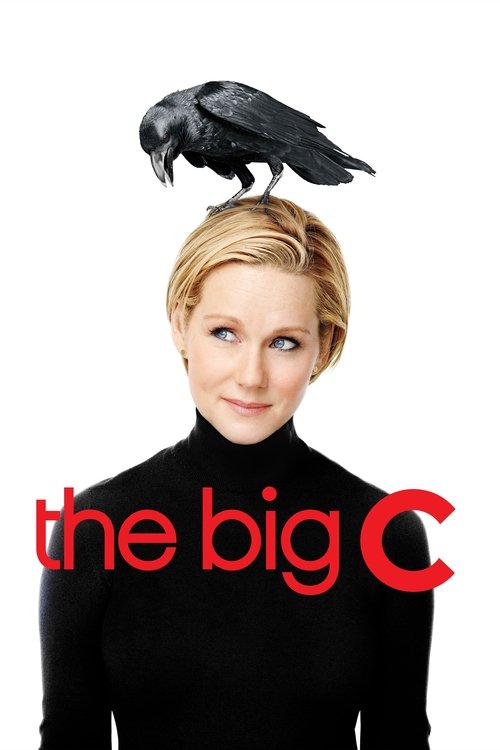







Popular
What is Cathy Jamison's initial reaction to her cancer diagnosis?
How does Cathy’s relationship with her husband Paul evolve throughout the series?
What role does Cathy's son Adam play in her journey with cancer?
How does Cathy’s relationship with her neighbor, Lee, develop?
What impact does Cathy’s cancer have on her interactions with her friends and family?
Should I watch it?
Ask Your Own Question

What is the plot?
Cathy Jamison, a high school teacher in her 40s, is diagnosed with terminal melanoma. The news hits her hard, and she struggles to process the reality of her situation. Initially, she keeps her diagnosis a secret from her family and friends, feeling overwhelmed by the implications of her illness. Cathy's husband, Paul, is oblivious to her struggles, focusing instead on his own issues, including his obsession with his weight and his desire to be more active.
As Cathy grapples with her diagnosis, she begins to change her outlook on life. She decides to embrace her illness and live life to the fullest, which leads her to make bold decisions. She starts to indulge in things she previously avoided, such as spending money on herself and taking risks. One of her first acts of defiance is to buy a new car, a bright red convertible, which symbolizes her newfound freedom and desire to live in the moment.
Cathy's relationship with her son, Adam, becomes strained as she tries to navigate her illness while maintaining a semblance of normalcy. Adam is a typical teenager, dealing with his own issues, including his crush on a girl named Angela. Cathy's attempts to connect with him are often met with resistance, as he is unaware of the gravity of her situation. Cathy's daughter, Claire, is also a source of concern, as she is a rebellious teenager who often clashes with her mother.
Cathy begins to explore alternative treatments for her cancer, including a holistic approach that involves a new friend, a fellow cancer patient named Andrea Jackson. Andrea introduces Cathy to a support group, where she meets other cancer patients who share their experiences and coping mechanisms. This group becomes a vital part of Cathy's journey, providing her with a sense of community and understanding.
As Cathy becomes more open about her illness, she starts to confront her relationships. She has a candid conversation with Paul about her diagnosis, which leads to a mix of emotions. Paul struggles to understand Cathy's perspective, and their relationship becomes increasingly strained as they both deal with the reality of her illness. Cathy's desire for honesty clashes with Paul's tendency to avoid difficult conversations.
Cathy's relationship with her children continues to evolve. She tries to be more present in their lives, attending Adam's school events and attempting to connect with Claire. However, her illness creates a barrier, and her children often react with anger and confusion. Cathy's attempts to be a good mother are met with mixed results, as her children grapple with their own feelings about her cancer.
As the series progresses, Cathy's health deteriorates, and she faces the harsh realities of her condition. She experiences moments of vulnerability, including physical pain and emotional turmoil. Despite this, she continues to seek joy in her life, often through spontaneous adventures and new experiences. Cathy's journey becomes one of self-discovery, as she learns to embrace her identity beyond being a cancer patient.
Cathy's relationship with Andrea deepens, and they become close friends. Andrea's own battle with cancer serves as a reminder of the fragility of life, and their friendship provides both women with support and strength. However, Andrea's health takes a turn for the worse, leading to a heartbreaking moment for Cathy as she faces the reality of loss.
Cathy's relationship with her husband Paul reaches a breaking point when she decides to take control of her life in a way that Paul cannot accept. She makes the decision to stop traditional treatments, believing that she wants to live her remaining days on her own terms. This decision causes a rift between them, as Paul feels helpless and frustrated by Cathy's choices.
As the series nears its conclusion, Cathy's health continues to decline. She experiences moments of clarity and reflection, often contemplating her legacy and the impact of her life on her children. Cathy's journey becomes one of acceptance, as she learns to let go of her fears and embrace the love and support of those around her.
In the final episodes, Cathy's condition worsens, and she faces the reality of her impending death. She has heartfelt conversations with her children, imparting wisdom and love as she prepares them for life without her. The emotional weight of these moments is palpable, as Cathy strives to leave a lasting impression on her family.
The series culminates in a poignant farewell, as Cathy comes to terms with her life and the choices she has made. She finds peace in her relationships and the love she has cultivated, ultimately embracing the end of her journey with grace and dignity. The final moments of the series reflect Cathy's transformation, showcasing her strength and resilience in the face of adversity.








What is the ending?
In the final episode of The Big C, Cathy Jamison faces the end of her battle with cancer. She reflects on her life, her relationships, and the impact of her illness on her family. The series concludes with her passing, leaving behind a legacy of love and acceptance.
As the final episode begins, Cathy is in her home, surrounded by her family. The atmosphere is heavy with the knowledge that her time is limited. She has been battling cancer for several years, and her condition has worsened. The scene is intimate, filled with soft lighting and the quiet sounds of her family moving about, creating a sense of both warmth and impending loss.
Cathy's husband, Paul, is visibly distressed but tries to maintain a sense of normalcy for their son, Adam. He attempts to engage in light conversation, but the weight of the situation hangs over them. Cathy, aware of her declining health, takes a moment to reflect on her life. She shares heartfelt conversations with her family, expressing her love and gratitude for them. The emotional depth of these exchanges highlights her desire to leave them with positive memories rather than sorrow.
As the episode progresses, Cathy decides to take control of her final days. She organizes a gathering with her friends and family, wanting to celebrate her life rather than mourn her death. This gathering is filled with laughter, tears, and shared stories, showcasing the impact Cathy has had on those around her. Each character reveals their own struggles and growth throughout the series, emphasizing the theme of connection and the importance of cherishing moments together.
In a poignant scene, Cathy shares a final moment with her brother, Sean. Their relationship has been tumultuous, but they find a moment of understanding and reconciliation. Sean expresses his admiration for Cathy's strength, and they share a heartfelt embrace, symbolizing the healing of their bond.
As the gathering continues, Cathy takes a moment to step outside. The sun is setting, casting a warm glow over her surroundings. She reflects on her journey, feeling a sense of peace. In this moment, she acknowledges her fears but also embraces the love that surrounds her. The scene is serene, capturing the beauty of acceptance.
The final moments of the episode are bittersweet. Cathy returns inside, where her family is gathered. She shares a final goodbye, encouraging them to live fully and embrace life. The camera captures the emotional weight of this farewell, focusing on the faces of her loved ones as they process their grief and love for her.
In the closing scenes, Cathy peacefully passes away, surrounded by her family. The camera lingers on her face, capturing a serene expression, suggesting that she has found peace. The screen fades to black, leaving viewers with a sense of closure.
In the aftermath of Cathy's passing, the series concludes with glimpses of her family moving forward. Paul is seen taking care of Adam, who is grappling with the loss of his mother but is determined to honor her memory. Sean continues to navigate his own life, inspired by Cathy's strength. The final moments serve as a reminder of the enduring impact Cathy had on those she loved, emphasizing the themes of love, loss, and the importance of living life to the fullest.
The series ends on a note of hope, suggesting that while Cathy may be gone, her spirit and lessons will continue to resonate with her family and friends. Each character is left to carry forward the legacy of love and resilience that Cathy instilled in them, highlighting the profound connections that define their lives.
Is there a post-credit scene?
The Big C does not have a post-credit scene. The series concludes with its fourth season, and the final episode, titled "Tipping Point," wraps up the storylines of the main characters without any additional scenes after the credits. The finale focuses on Cathy Jamison's journey as she confronts her cancer diagnosis and the impact it has on her relationships with her family and friends. The emotional weight of the series is encapsulated in the final moments, leaving viewers with a sense of closure rather than an additional scene to follow.
What is Cathy Jamison's initial reaction to her cancer diagnosis?
Cathy Jamison, played by Laura Linney, is initially in shock and disbelief upon receiving her cancer diagnosis. She grapples with a mix of fear and anger, feeling as though her life has been turned upside down. This moment sets the tone for her journey as she decides to take control of her life in the face of her illness.
How does Cathy’s relationship with her husband Paul evolve throughout the series?
Cathy's relationship with her husband Paul, portrayed by Oliver Platt, becomes increasingly strained as she navigates her cancer diagnosis. Initially, Paul is oblivious to the depth of Cathy's struggles, often focusing on his own issues. As the series progresses, Cathy becomes more assertive and independent, leading to moments of tension and confrontation, ultimately forcing Paul to confront his own shortcomings and the reality of their marriage.
What role does Cathy's son Adam play in her journey with cancer?
Cathy's son Adam, played by Gabriel Basso, serves as a significant emotional anchor throughout her cancer journey. Initially, he is a typical teenager, often self-absorbed and unaware of the gravity of his mother's situation. However, as the series unfolds, Adam matures and begins to understand the impact of his mother's illness, leading to poignant moments of connection and growth between them.
How does Cathy’s relationship with her neighbor, Lee, develop?
Cathy's relationship with her neighbor Lee, portrayed by John Benjamin Hickey, evolves from a simple neighborly acquaintance to a deep emotional bond. Lee, who is also dealing with his own health issues, becomes a confidant for Cathy. Their relationship is marked by moments of vulnerability and support, as they both navigate the complexities of life and illness, ultimately leading to a romantic connection.
What impact does Cathy’s cancer have on her interactions with her friends and family?
Cathy's cancer diagnosis profoundly affects her interactions with friends and family, revealing the complexities of their relationships. Her friends often struggle to find the right words or actions to support her, leading to awkward and sometimes humorous situations. Family dynamics shift as her illness forces them to confront their own fears and emotions, leading to both conflict and deeper understanding as they rally around her.
Is this family friendly?
"The Big C" is a dramedy that explores serious themes such as cancer, mortality, and family dynamics, which may not be suitable for younger audiences or sensitive viewers. Here are some potentially objectionable or upsetting aspects:
-
Cancer Diagnosis: The central premise revolves around Cathy Jamison's diagnosis of terminal cancer, which is depicted with emotional weight and realism, potentially distressing for viewers.
-
Death and Grief: The show addresses themes of death and the impact of terminal illness on family and friends, including scenes that explore grief and loss.
-
Dark Humor: The series employs dark humor to cope with serious situations, which may not resonate well with all viewers, especially children.
-
Family Conflict: There are intense family dynamics and conflicts, including arguments and emotional confrontations that may be uncomfortable to watch.
-
Sexual Content: The show includes adult themes and situations, including discussions about sexuality and infidelity, which may not be appropriate for younger audiences.
-
Substance Use: There are instances of characters using drugs and alcohol as a means of coping with their problems, which could be concerning for some viewers.
-
Mental Health: The show touches on mental health issues, including depression and anxiety, which may be triggering for some individuals.
Overall, while "The Big C" offers poignant storytelling and character development, its mature themes and emotional depth may not be suitable for children or sensitive viewers.