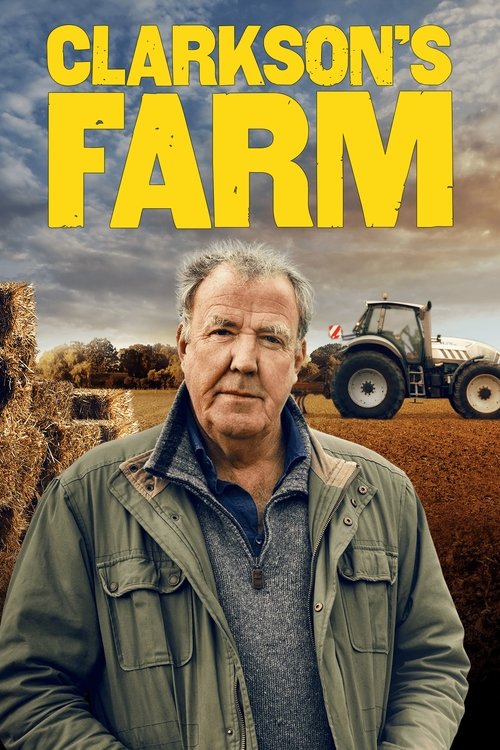





Popular
What challenges does Jeremy Clarkson face while trying to grow crops on his farm?
How does Clarkson's relationship with his farm manager, Kaleb, evolve throughout the series?
What role does the character Gerald play in Clarkson's farming journey?
How does Clarkson's attempt to raise sheep go awry?
What are the consequences of Clarkson's decision to plant a crop of wheat?
Should I watch it?
Ask Your Own Question

What is the plot?
The series begins with Jeremy Clarkson, a well-known television presenter and car enthusiast, deciding to take on the challenge of running a farm in the Cotswolds, which he purchased in 2008. He is excited yet naive about the realities of farming. The first episode introduces viewers to the farm's layout, including the fields, buildings, and the various animals, particularly the sheep. Clarkson's initial enthusiasm is palpable as he envisions transforming the land into a successful farm.
As Clarkson embarks on his farming journey, he quickly realizes the complexities involved. He enlists the help of Kaleb Cooper, a young and experienced farmer who becomes a key figure in the series. Kaleb's practical knowledge contrasts sharply with Clarkson's lack of experience, leading to humorous and often frustrating situations. Clarkson's first major task is to plant crops, specifically a field of wheat. He struggles with the machinery and the technical aspects of planting, showcasing his steep learning curve.
In the following scenes, Clarkson faces a series of setbacks. The weather proves to be an unpredictable adversary, with heavy rain affecting the planting schedule. He also encounters issues with the tractor, which breaks down, leading to a comical yet stressful situation as he attempts to fix it. Kaleb's patience is tested as he guides Clarkson through the process, often rolling his eyes at Clarkson's antics and lack of knowledge.
As the season progresses, Clarkson decides to diversify his farming efforts by introducing a herd of sheep. He is excited about the prospect of sheep farming but quickly learns about the challenges of animal husbandry. The arrival of the sheep is chaotic, with Clarkson struggling to manage them and keep them contained. He experiences a mix of joy and frustration as he bonds with the animals but also faces the harsh realities of their care.
Midway through the season, Clarkson's wheat crop begins to grow, and he becomes increasingly invested in its success. He learns about the importance of crop rotation and soil health, but his lack of experience leads to mistakes. He faces a crisis when he discovers that the wheat is infested with pests, prompting a frantic search for solutions. This moment highlights his growing attachment to the farm and the stakes involved in his farming venture.
As the harvest approaches, Clarkson's excitement builds, but he is also anxious about the outcome. He prepares for the harvest with Kaleb's guidance, learning how to operate the combine harvester. The day of the harvest is filled with tension as Clarkson hopes for a successful yield. However, he faces further complications when the machinery malfunctions, leading to a chaotic and stressful harvest day.
In the final episodes, Clarkson reflects on the season's challenges and triumphs. He grapples with the realities of farming, including financial pressures and the unpredictability of nature. Despite the setbacks, he finds a sense of fulfillment in his work and a deeper appreciation for the farming community. The series concludes with Clarkson contemplating the future of the farm, leaving viewers with a sense of his growth and the ongoing journey ahead.







What is the ending?
At the end of "Clarkson's Farm," Jeremy Clarkson faces the challenges of farming head-on, culminating in a bittersweet conclusion. After a tumultuous year filled with trials and errors, he reflects on the lessons learned and the relationships forged with his team. The season wraps up with a sense of camaraderie and a realization of the hard work that goes into farming, leaving Clarkson with a mix of pride and uncertainty about the future.
As the final episodes unfold, we see Jeremy Clarkson grappling with the realities of farming. The season begins to wind down, and the harvest is upon them. Clarkson, alongside his loyal team, including Kaleb, Gerald, and Lisa, prepares for the culmination of their efforts. The fields, once barren and challenging, are now filled with crops that they have nurtured through various trials.
In one poignant scene, Clarkson stands in the middle of his fields, surveying the fruits of their labor. The sun sets behind him, casting a golden hue over the landscape. He reflects on the journey, the mistakes made, and the lessons learned. There's a sense of pride in his voice as he acknowledges the hard work that has gone into the farming process, despite the numerous setbacks they faced, including equipment failures and unpredictable weather.
Kaleb, who has been a steadfast presence throughout the season, shares a moment of camaraderie with Clarkson. They discuss the ups and downs of the farming year, and Kaleb expresses his hopes for the future. Clarkson, in turn, admits that he has grown to appreciate the complexities of farming and the dedication it requires. Their bond has deepened, showcasing the importance of teamwork and friendship in overcoming challenges.
Gerald, the farm manager, also plays a crucial role in the finale. He provides insights into the financial aspects of the farm, emphasizing the reality that farming is not just about growing crops but also about making a living. This conversation highlights the tension between passion and practicality, a recurring theme throughout the series. Clarkson listens intently, understanding that the romantic notion of farming must be balanced with the harsh realities of the business.
As the harvest concludes, Clarkson and his team gather to celebrate their achievements. There's a palpable sense of relief and accomplishment in the air. They share a meal together, reflecting on the season's challenges and victories. Clarkson, with a mix of humor and sincerity, acknowledges the hard work of his team, recognizing that he could not have done it without them.
In the final moments, Clarkson stands alone in the fields once more, contemplating the future. He expresses uncertainty about whether he will continue farming, but there's a newfound respect for the land and the work that goes into it. The series ends on a note of ambiguity, leaving viewers with a sense of hope and the understanding that farming is a journey filled with both triumphs and tribulations.
The fate of each main character is intertwined with this journey. Clarkson emerges with a deeper understanding of farming and a stronger bond with his team. Kaleb continues to be a vital part of the farm, embodying the spirit of hard work and resilience. Gerald remains the pragmatic voice of reason, ensuring that the farm operates smoothly. Lisa, who has been a supportive presence, also finds her place within the team, contributing to the overall success of the farm. Together, they have navigated the complexities of farming, leaving behind a season filled with growth, both in crops and in character.
Who dies?
Is there a post-credit scene?
In the show "Clarkson's Farm," there is no post-credit scene. The series concludes each episode without any additional content after the credits. The focus remains on the main narrative of Jeremy Clarkson's attempts at farming, showcasing his challenges, successes, and humorous interactions with his team and the land. Each episode wraps up the storylines presented, leaving viewers with a sense of closure without any extra scenes to follow.
What challenges does Jeremy Clarkson face while trying to grow crops on his farm?
Throughout 'Clarkson's Farm', Jeremy Clarkson encounters numerous challenges as he attempts to cultivate his land. From the onset, he struggles with understanding the complexities of farming, such as soil quality, crop rotation, and the right timing for planting. He faces setbacks like a lack of proper equipment, which leads to a comical yet frustrating experience when he tries to operate a tractor for the first time. Additionally, weather conditions play a significant role, as unexpected rain and drought threaten his crops. His inexperience leads to mistakes, such as planting the wrong seeds at the wrong time, which adds to the tension and humor of his farming journey.
How does Clarkson's relationship with his farm manager, Kaleb, evolve throughout the series?
Jeremy Clarkson's relationship with Kaleb, his farm manager, is central to the narrative of 'Clarkson's Farm'. Initially, Clarkson is somewhat dismissive of Kaleb's expertise, often underestimating the complexities of farming. However, as the series progresses, he begins to rely on Kaleb's knowledge and skills, leading to a more collaborative dynamic. Kaleb's patience and practical approach contrast with Clarkson's often impulsive decisions, creating a mentor-mentee relationship. Emotional moments arise when Kaleb expresses frustration over Clarkson's lack of understanding, yet they also share lighter moments that highlight their growing camaraderie.
What role does the character Gerald play in Clarkson's farming journey?
Gerald, the local farmer and Clarkson's neighbor, serves as a pivotal character in 'Clarkson's Farm'. He embodies the traditional farming wisdom that Clarkson lacks. Gerald often provides guidance and advice, helping Clarkson navigate the intricacies of farm life. His presence is both a source of comic relief and a reality check for Clarkson, who often finds himself in over his head. The interactions between Gerald and Clarkson reveal Clarkson's initial arrogance and eventual humility as he learns to appreciate the hard work and dedication that farming requires.
How does Clarkson's attempt to raise sheep go awry?
In 'Clarkson's Farm', Clarkson's attempt to raise sheep is fraught with comedic misadventures. Initially excited about the prospect, he quickly realizes the challenges involved, such as understanding their behavior and needs. The situation escalates when he fails to properly secure the sheep, leading to a chaotic scene where they escape and roam freely across the farm. Clarkson's frustration is palpable as he chases after them, showcasing his lack of experience. This subplot highlights his ongoing struggle to manage the farm effectively and serves as a humorous commentary on the unpredictability of livestock.
What are the consequences of Clarkson's decision to plant a crop of wheat?
Clarkson's decision to plant a crop of wheat in 'Clarkson's Farm' leads to a series of consequences that illustrate the unpredictability of farming. Initially, he is optimistic about the potential yield and profit. However, as the season progresses, he faces numerous setbacks, including poor weather conditions and pest infestations. The emotional weight of his investment becomes evident as he grapples with the possibility of failure. When harvest time arrives, the reality of his situation hits hard, as he realizes that the yield is far below expectations, leading to feelings of disappointment and frustration. This experience serves as a harsh lesson in the realities of agricultural life.
Is this family friendly?
"Clarkson's Farm," produced in 2021, is a documentary-style series featuring Jeremy Clarkson as he attempts to run a farm in the Cotswolds. While the show is primarily comedic and light-hearted, there are a few aspects that may be considered objectionable or upsetting for children or sensitive viewers:
-
Language: The show includes occasional strong language and mild profanity, which may not be suitable for younger audiences.
-
Animal Treatment: There are scenes that depict the realities of farming, including the slaughtering of animals, which can be distressing for some viewers, particularly children or those sensitive to animal welfare issues.
-
Farming Challenges: The series showcases the struggles and failures of farming, including crop failures and the harsh realities of agricultural life, which may be upsetting for viewers who are sensitive to themes of failure or loss.
-
Humor: Some of the humor is derived from Clarkson's often brash and irreverent personality, which may not resonate with all viewers and could be seen as inappropriate by some.
Overall, while "Clarkson's Farm" is entertaining and offers a humorous take on farming, it does contain elements that may not be suitable for all family members, particularly younger children.