




















Popular
What motivates Takemichi Hanagaki to keep traveling back in time?
How does Takemichi's relationship with Mikey evolve throughout the series?
What role does Draken play in Takemichi's journey?
What are the consequences of Takemichi's actions when he changes events in the past?
How does the rivalry between Toman and Valhalla impact the characters?
Should I watch it?
Ask Your Own Question

What is the plot?
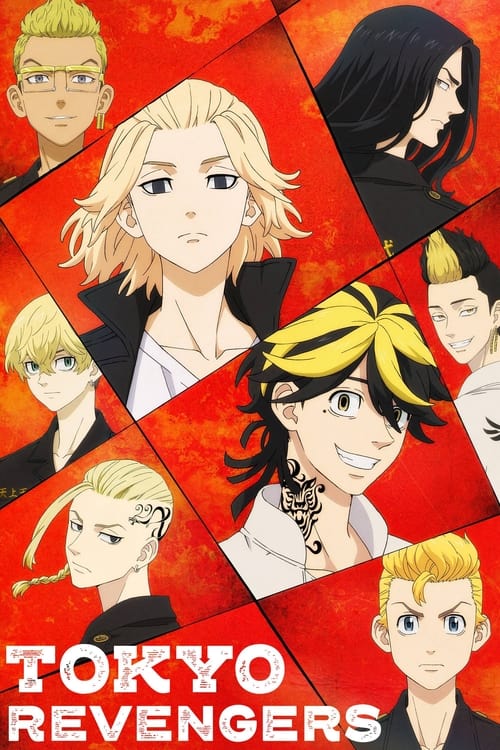
Takemichi Hanagaki, a 26-year-old freeter, learns that his middle school girlfriend, Hinata Tachibana, has been killed by a gang called Tokyo Manji Gang. While on a train platform, he suddenly finds himself transported back 12 years to his middle school days. He realizes he has the ability to travel back in time to change the future. Takemichi decides to use this power to save Hinata and change the course of events.
In the past, Takemichi reconnects with his old friends, including Naoto Tachibana, Hinata's younger brother. He tells Naoto about the future and the impending death of Hinata. Naoto believes Takemichi and helps him devise a plan to prevent her death. They agree that Takemichi must infiltrate the Tokyo Manji Gang to change its fate from within. Takemichi's first major decision is to confront the gang's leader, Manjiro "Mikey" Sano, and his right-hand man, Ken "Draken" Ryuguji.
Takemichi attends a gang meeting where he meets Mikey and Draken. He is initially intimidated but manages to impress them with his courage. He stands up to a gang member, Kiyomasa, who is bullying a friend. This act earns him some respect, and he is invited to join the gang. Takemichi's internal struggle is evident as he grapples with his fear and desire to protect Hinata.
As Takemichi becomes more involved with the gang, he learns about the complex relationships and rivalries within it. He witnesses the gang's violent nature and the loyalty among its members. Takemichi's bond with Draken deepens, and he begins to understand the weight of the decisions he must make. He also learns that the gang is involved in a conflict with another gang, the Moebius, which poses a threat to their safety.
During a confrontation with Moebius, Takemichi witnesses a brutal fight. Draken is injured, and Takemichi feels the weight of his responsibility to protect his friends. He realizes that his actions in the past have direct consequences on the future. After the fight, Takemichi vows to do whatever it takes to keep Draken and Mikey safe, as their fates are intertwined with Hinata's.
Takemichi's next major time leap occurs after he learns that a gang member, Kazutora, has a vendetta against Mikey. In a pivotal moment, Takemichi tries to prevent a confrontation between Kazutora and Mikey, but he fails. The fight escalates, and Takemichi is forced to confront his own limitations. He feels helpless as he watches his friends suffer due to the gang's internal conflicts.
In a subsequent leap, Takemichi discovers that Hinata's death is linked to a betrayal within the gang. He learns that a member named Kisaki is manipulating events to ensure that Hinata dies. Takemichi's determination to save her intensifies, and he confronts Kisaki, who is cunning and ruthless. Takemichi's emotional state is fraught with anxiety and desperation as he realizes the stakes are higher than he initially thought.
As Takemichi continues to navigate the gang's politics, he faces numerous challenges, including fights and betrayals. He struggles with his own insecurities and the fear of failing to save Hinata. Each time he returns to the present, he sees the consequences of his actions, which fuels his resolve to change the past.
In a climactic battle against Kisaki's forces, Takemichi rallies his friends to stand against the impending threat. The fight is intense, with each character showcasing their strengths and vulnerabilities. Takemichi's leadership is tested as he tries to keep everyone united. The emotional weight of the battle is palpable, as friendships are strained and sacrifices are made.
Ultimately, Takemichi confronts Kisaki in a final showdown. The fight is brutal, and Takemichi is pushed to his limits. He draws on the strength of his friendships and the memories of Hinata to fuel his determination. In a moment of clarity, he realizes that he must not only fight for Hinata but for the bonds he has formed with his friends.
After the confrontation, Takemichi returns to the present, where he discovers that his actions have indeed changed the future. He finds that Hinata is alive, but the world around him is still fraught with challenges. The emotional relief of seeing Hinata again is mixed with the realization that the fight is not over. Takemichi understands that he must continue to navigate the complexities of friendship, loyalty, and the consequences of his choices as he strives to create a better future for everyone involved.



What is the ending?
In the ending of Tokyo Revengers, Takemichi Hanagaki successfully alters the future by confronting the past and making critical choices. He manages to save his friends and change the fate of the Tokyo Manji Gang. The series concludes with Takemichi finding peace in his relationships and a hopeful future, having grown significantly through his experiences.
As the final arc unfolds, Takemichi finds himself in a tense confrontation with the remnants of the Kanto Manji Gang. The stakes are high as he realizes that the future he has been trying to change is still at risk. The scene opens with Takemichi standing in front of a large gathering of gang members, his heart racing as he recalls the pain of losing his friends and the weight of his mission to save them.
In a flashback, we see Takemichi's determination solidifying as he remembers the sacrifices made by his friends, especially Hinata Tachibana, whose death has haunted him throughout his journey. This memory fuels his resolve, and he steps forward, ready to confront the gang's leader, Mikey. The tension in the air is palpable as Takemichi pleads with Mikey, trying to reach the part of him that still cares for his friends and the ideals they once shared.
As the confrontation escalates, Takemichi's emotional turmoil is evident. He feels the burden of his failures but also the hope that he can change the course of their lives. Mikey, torn between his darker impulses and the memories of his past friendships, struggles with his own emotions. The scene is charged with a mix of anger, regret, and longing, as both characters grapple with their choices.
In a pivotal moment, Takemichi's words resonate with Mikey, and he begins to see the possibility of a different path. The gang members around them watch in silence, the atmosphere thick with anticipation. Takemichi's sincerity and vulnerability break through Mikey's hardened exterior, leading to a moment of clarity. Mikey ultimately decides to step away from the violent path he has been on, choosing instead to honor the bonds of friendship that once defined the Tokyo Manji Gang.
As the dust settles, we see the aftermath of this confrontation. Takemichi stands with his friends, including Chifuyu and Draken, who have also survived the chaos. Each character reflects on their journey, the scars of their past evident but overshadowed by a newfound sense of hope. Takemichi's growth is palpable; he has transformed from a passive character into a decisive leader, embodying the strength of his convictions.
In the final scenes, we witness a peaceful Tokyo, where Takemichi and Hinata are together, their relationship blossoming in a world free from the shadows of gang violence. The camera pans out, showing the vibrant city, symbolizing the bright future that lies ahead for Takemichi and his friends. The series closes with a sense of closure, as Takemichi finally feels at peace, having fulfilled his mission to protect those he loves.
The fates of the main characters are as follows: Takemichi emerges as a hero, having changed the future for the better. Hinata, who was once lost, is alive and thriving alongside him. Mikey, having chosen friendship over violence, begins to rebuild his life, while Draken and Chifuyu stand by Takemichi, ready to support him in this new chapter. Each character has faced their demons and emerged stronger, united by the bonds they forged through their trials.
Who dies?
Is there a post-credit scene?
In the 2021 anime adaptation of "Tokyo Revengers," there is indeed a post-credit scene that adds an intriguing layer to the story.
As the final episode concludes, the screen fades to black, and after the credits roll, viewers are treated to a brief scene that takes place in the future. The scene features Takemichi Hanagaki, now a more mature and confident version of himself, standing in front of a large building. He is dressed in a suit, indicating a significant change in his life circumstances.
The atmosphere is filled with a sense of hope and determination. Takemichi's expression is one of resolve as he reflects on his journey and the friends he has fought for. The scene hints at his growth and the impact of his time-traveling experiences on his character.
As he gazes at the building, it becomes clear that he is about to meet someone important, possibly related to his efforts to change the past and save his friends. The scene leaves viewers with a sense of anticipation, suggesting that Takemichi's journey is far from over and that there are still challenges ahead, but he is ready to face them with newfound strength.
This post-credit moment encapsulates the themes of growth, friendship, and the ongoing struggle against fate that permeate the series, providing a fitting conclusion to the season while also teasing future developments.
What motivates Takemichi Hanagaki to keep traveling back in time?
Takemichi Hanagaki is driven by a deep sense of regret and a desire to save his ex-girlfriend, Hinata Tachibana, who was murdered by the Tokyo Manji Gang. Each time he travels back to the past, he is fueled by the hope of changing the future and preventing her death, as well as the deaths of his friends. His emotional turmoil and determination to alter the course of events push him to confront dangerous situations and make difficult choices.
How does Takemichi's relationship with Mikey evolve throughout the series?
Initially, Takemichi sees Mikey as a charismatic leader of the Tokyo Manji Gang, but as he spends more time with him, he learns about Mikey's vulnerabilities and the heavy burdens he carries. Takemichi's admiration turns into a deep friendship, as he becomes determined to protect Mikey from the dark path he is on. Their relationship is tested by conflicts and misunderstandings, but Takemichi's unwavering loyalty and desire to save Mikey from his tragic fate become central to the narrative.
What role does Draken play in Takemichi's journey?
Draken, the vice-captain of the Tokyo Manji Gang, serves as a crucial ally and mentor to Takemichi. His strong sense of justice and protective nature resonate with Takemichi, who sees him as a figure of strength and guidance. Draken's tragic backstory and his bond with Mikey highlight the stakes of Takemichi's mission. As Takemichi learns more about Draken's struggles, he becomes even more motivated to change the past to save him and ensure the gang's future.
What are the consequences of Takemichi's actions when he changes events in the past?
Each time Takemichi alters events in the past, he creates ripple effects that lead to unforeseen consequences in the future. While some changes result in positive outcomes, such as saving friends or preventing violence, others lead to new challenges and tragedies. This unpredictability adds tension to the narrative, as Takemichi grapples with the moral implications of his choices and the weight of responsibility for the lives he seeks to protect.
How does the rivalry between Toman and Valhalla impact the characters?
The rivalry between the Tokyo Manji Gang (Toman) and Valhalla escalates tensions and drives the plot forward. Characters like Kisaki and Hanma from Valhalla pose significant threats to Toman, leading to intense confrontations and battles. This rivalry tests the loyalty and resolve of characters like Takemichi, Mikey, and Draken, forcing them to confront their fears and make sacrifices. The stakes of their conflicts highlight the themes of friendship, loyalty, and the consequences of gang life.
Is this family friendly?
Tokyo Revengers, while engaging and popular, contains several elements that may not be suitable for children or sensitive viewers. Here are some potentially objectionable aspects:
-
Violence and Gang Conflicts: The series features frequent scenes of physical violence, including fights between rival gangs. These scenes can be graphic and intense, showcasing injuries and confrontations.
-
Death and Loss: The narrative revolves around themes of death and the impact of losing loved ones. Characters experience significant trauma and grief, which may be upsetting for younger audiences.
-
Bullying and Harassment: There are instances of bullying and emotional abuse among characters, highlighting the darker aspects of youth culture and peer pressure.
-
Substance Use: Some characters are depicted engaging in smoking and drinking, which may not be appropriate for younger viewers.
-
Mature Themes: The show explores complex themes such as regret, redemption, and the consequences of one's actions, which may be difficult for younger audiences to fully grasp.
-
Emotional Turmoil: Characters often experience deep emotional struggles, including feelings of hopelessness and despair, which could be distressing for sensitive viewers.
These elements contribute to a narrative that, while compelling, may require parental discretion for younger viewers.