





Popular
What challenges does Betty face in her personal life throughout the series?
How does Betty's relationship with her colleagues evolve over the series?
What role does the hospital setting play in Betty's character development?
How does Betty's relationship with Dr. Niklas Ahrend impact her career?
What specific medical cases highlight Betty's skills and growth as a nurse?
Should I watch it?
Ask Your Own Question

What is the plot?
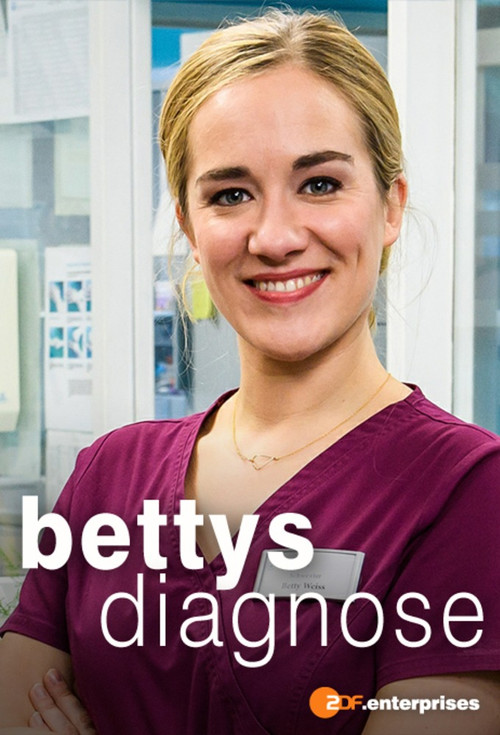
"Bettys Diagnose" follows the life of Betty, a young nurse working in a hospital, as she navigates her professional and personal challenges.
The series begins with Betty starting her new job at a hospital, where she is eager to prove herself. She quickly becomes acquainted with her colleagues, including the charming but somewhat arrogant doctor, Dr. Götz. Betty is determined to make a good impression and is enthusiastic about her work, often going above and beyond for her patients.
As Betty settles into her role, she faces her first major challenge when a patient arrives with a complex medical condition. The case requires quick thinking and collaboration among the medical staff. Betty takes the initiative to gather information and suggest a treatment plan, showcasing her dedication and knowledge. This impresses Dr. Götz, who begins to see her potential.
In the following episodes, Betty's relationships with her colleagues deepen. She develops a close friendship with her fellow nurse, who provides emotional support as Betty navigates the pressures of her job. However, tensions arise when Betty's commitment to her patients leads her to clash with Dr. Götz over treatment decisions. Their differing opinions create a professional rivalry, but also a simmering attraction that complicates their interactions.
Betty's personal life is also explored, revealing her struggles with self-esteem and her complicated family dynamics. She often reflects on her past, particularly her relationship with her mother, which influences her desire to be a caring and competent nurse. This backstory adds depth to her character and motivates her actions throughout the series.
As the season progresses, Betty faces a series of ethical dilemmas that test her values. One significant plot point occurs when she discovers that a colleague is involved in unethical practices. Torn between loyalty to her friend and her duty to uphold medical ethics, Betty ultimately decides to report the misconduct, leading to a fallout with her colleague and a sense of isolation at work.
The emotional stakes rise when Betty becomes romantically involved with Dr. Götz. Their relationship is fraught with complications, as both are dedicated to their careers and struggle to balance their personal and professional lives. This culminates in a pivotal moment where they must confront their feelings for each other during a crisis involving a patient they both care for.
In a dramatic turn, Betty faces a personal crisis when a family member falls seriously ill. This event forces her to reevaluate her priorities and the impact of her job on her personal life. She grapples with feelings of guilt and helplessness, which resonate deeply with her character's journey throughout the series.
The season concludes with a major turning point for Betty. After a particularly challenging case that tests her skills and resolve, she receives recognition for her hard work and dedication. However, this success is bittersweet as she realizes the toll her job has taken on her relationships and personal well-being. The final scenes depict her making a conscious decision to seek a better work-life balance, setting the stage for her continued growth in the subsequent seasons.
Throughout "Bettys Diagnose," the interplay of professional challenges, personal growth, and complex relationships drives the narrative, showcasing Betty's evolution as a nurse and an individual.








What is the ending?
In the final episode of "Bettys Diagnose," Betty faces a significant turning point in her career and personal life. She must confront her feelings for her colleague, while also dealing with the challenges of her job. The episode culminates in a resolution of her relationships and a reaffirmation of her commitment to her profession.
As the episode begins, Betty is seen in the hospital, bustling through her duties with a sense of urgency. The atmosphere is charged with tension as she navigates the complexities of her patients' needs and the dynamics with her colleagues. Her internal struggle is palpable; she is torn between her professional responsibilities and her personal feelings for her colleague, whom she has developed a close bond with over the series.
In a pivotal scene, Betty has a heartfelt conversation with her mentor, who encourages her to embrace her emotions and not shy away from the connections she has formed. This moment serves as a catalyst for Betty, prompting her to reflect on what she truly wants in her life. The mentor's words resonate deeply with her, and she begins to consider the possibility of pursuing a romantic relationship.
As the day progresses, Betty encounters a particularly challenging case involving a patient whose condition is deteriorating. This situation forces her to confront her fears and insecurities as a doctor. She works tirelessly, demonstrating her dedication and compassion, which ultimately leads to a breakthrough in the patient's treatment. This success reinforces her commitment to her career and highlights her growth as a character.
In the climax of the episode, Betty finally confronts her colleague about her feelings. The scene is charged with emotion as they stand in a quiet corner of the hospital, away from the chaos of their work environment. Betty expresses her vulnerability, revealing her fears of mixing personal and professional lives. Her colleague listens intently, and after a moment of silence, he reciprocates her feelings, leading to a tender moment of connection between them.
The episode concludes with Betty standing on the hospital rooftop, looking out over the city. The sun sets in the background, casting a warm glow that symbolizes hope and new beginnings. She reflects on her journey, feeling a sense of clarity about her future. The final shot captures her smiling, embodying a newfound confidence in both her personal and professional life.
In summary, the ending of "Bettys Diagnose" encapsulates Betty's growth as a character, showcasing her ability to balance her career with her personal desires. Each main character experiences a resolution that aligns with their development throughout the series, emphasizing themes of love, commitment, and the importance of following one's heart.
Is there a post-credit scene?
"Bettys Diagnose," the German medical drama that aired in 2015, does not feature post-credit scenes. The episodes typically conclude with a resolution to the main plotlines, focusing on the emotional and professional journeys of the characters, particularly Betty, as she navigates her life as a nurse in a hospital setting. The show emphasizes character development and relationships, wrapping up each episode without additional scenes after the credits.
What challenges does Betty face in her personal life throughout the series?
Betty navigates various personal challenges, including her complicated relationship with her mother, who has high expectations for her. She also struggles with her romantic life, particularly her feelings for her colleague, Dr. Niklas Ahrend, which creates tension and emotional turmoil as she balances her professional responsibilities with her personal desires.
How does Betty's relationship with her colleagues evolve over the series?
Initially, Betty faces skepticism from her colleagues due to her young age and inexperience. However, as the series progresses, she earns their respect through her dedication and innovative ideas. Her friendships deepen, particularly with her mentor, Dr. Ahrend, and her fellow nurses, as they support each other through various crises, both personal and professional.
What role does the hospital setting play in Betty's character development?
The hospital serves as a crucible for Betty's growth, where she confronts ethical dilemmas and life-and-death situations that challenge her values and skills. Each case she encounters not only tests her medical knowledge but also forces her to reflect on her own life choices, shaping her into a more confident and compassionate caregiver.
How does Betty's relationship with Dr. Niklas Ahrend impact her career?
Betty's relationship with Dr. Ahrend is pivotal to her career development. His mentorship provides her with invaluable insights and guidance, but their romantic tension complicates her professional life. As she grapples with her feelings for him, she also learns to assert herself in the workplace, ultimately leading to significant personal and professional growth.
What specific medical cases highlight Betty's skills and growth as a nurse?
Throughout the series, several medical cases showcase Betty's skills, such as her handling of a complex surgery where she must advocate for a patient against hospital bureaucracy. Another significant case involves a young patient with a rare condition, where Betty's determination and innovative thinking lead to a breakthrough in treatment, solidifying her reputation as a capable nurse.
Is this family friendly?
"Bettys Diagnose," produced in 2015, is a German medical drama that revolves around the life of Betty, a young nurse working in a hospital. While the show primarily focuses on medical cases and personal relationships, it does contain some elements that may not be suitable for all audiences, particularly children or sensitive viewers.
-
Medical Procedures: The show features various medical procedures and emergencies that can be graphic or intense, which might be unsettling for younger viewers.
-
Emotional Themes: The series delves into serious themes such as illness, death, and the emotional struggles of patients and their families. These themes can be heavy and may evoke strong feelings.
-
Personal Conflicts: There are interpersonal conflicts among characters that can lead to emotional distress, including arguments, betrayals, and relationship struggles.
-
Romantic Relationships: The show includes romantic subplots that may involve mature themes, such as infidelity or complicated love triangles, which might not be appropriate for younger audiences.
-
Mental Health Issues: Some episodes address mental health challenges, which can be sensitive topics for certain viewers.
Overall, while "Bettys Diagnose" offers engaging storytelling and character development, it does contain elements that may be better suited for older teens and adults rather than young children.









