






Popular
What is the significance of Kirsten's ability to stitch into the memories of the deceased?
How does Kirsten's relationship with Cameron evolve throughout the series?
What role does the character of Linus play in the team dynamics?
What is the impact of Kirsten's memory loss on her personal relationships?
How does the character of Maggie become a mentor figure for Kirsten?
Should I watch it?
Ask Your Own Question

What is the plot?
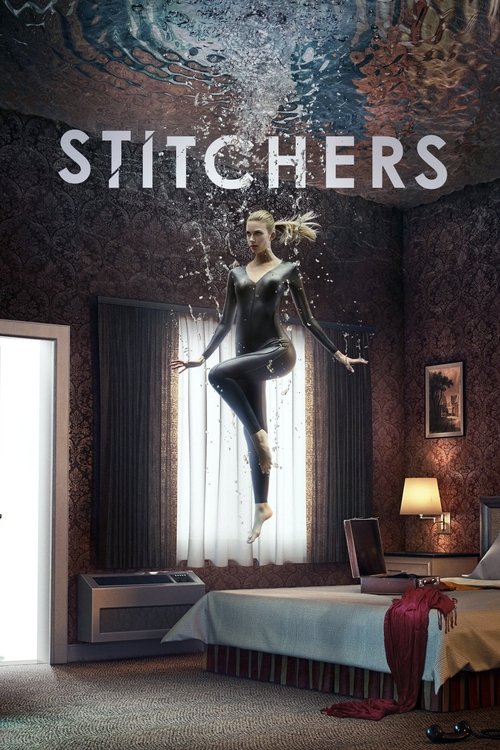
The series begins with Kirsten Clark, a young woman who has been struggling with her inability to remember her past due to a traumatic event. She is recruited by a secret government program called Stitchers, which allows her to enter the memories of deceased individuals to solve their murders. The program is run by a tech genius named Cameron Goodkin, who is intrigued by Kirsten's unique abilities. Kirsten is initially hesitant but is drawn in by the promise of uncovering the truth about her own past.
In the first episode, Kirsten undergoes her first "stitch," where she is connected to the memories of a murdered man named Ben. As she experiences his memories, she sees glimpses of his life and the moments leading up to his death. During the stitch, she discovers that Ben was involved in a love triangle, which leads her to suspect that jealousy may have been a motive for his murder. The team, which includes the stoic and protective head of the program, Maggie, and the charming and witty tech expert, Linus, works together to piece together the clues from Ben's memories. They ultimately identify the killer, leading to a confrontation that reveals the complexities of human relationships.
As the series progresses, Kirsten continues to delve into the memories of various victims, each time uncovering new layers of her own psyche and the emotional toll of reliving their final moments. She develops a close bond with Cameron, who becomes her confidant and ally. Their relationship deepens, and they share moments of vulnerability, particularly as Kirsten grapples with her feelings of isolation and her struggle to connect with others due to her condition.
In a pivotal episode, Kirsten stitches into the memories of a young woman named Ivy, who was murdered in a seemingly random act of violence. During this stitch, Kirsten experiences a traumatic memory that triggers her own suppressed memories of her past, including the night of her parents' death. This revelation sends her into a spiral of confusion and fear, as she begins to question her own identity and the nature of her memories. The team rallies around her, providing support as she confronts her demons.
The series introduces a subplot involving a mysterious figure known as "The Stitcher Killer," who targets members of the Stitchers program. This antagonist becomes a looming threat, creating tension and urgency within the team. As they investigate the killer's identity, they uncover a web of conspiracy that connects to the origins of the Stitchers program itself. The stakes are raised when one of their own, Linus, is kidnapped by the killer, forcing Kirsten and Cameron to race against time to save him.
In the season finale, the team discovers that the Stitcher Killer is someone they never expected: a former member of the program who has been manipulating events from the shadows. The confrontation is intense, with Kirsten and Cameron working together to outsmart the killer. They manage to rescue Linus, but not without significant emotional and physical tolls. The experience leaves Kirsten questioning the morality of the Stitchers program and her role within it.
As the season wraps up, Kirsten finally confronts her past, piecing together the truth about her parents' deaths and the circumstances surrounding them. This journey of self-discovery culminates in a powerful moment of acceptance, as she learns to embrace her abilities and the connections she has formed with her team. The season ends on a cliffhanger, with hints of further challenges ahead, as the team prepares to face new threats and deeper mysteries in the next chapter of their journey.



What is the ending?
In the final episode of Stitchers, titled "The Last Stitch," Kirsten and her team confront the truth about the organization behind the Stitchers program. They face a significant threat from the head of the organization, who has been manipulating events from the shadows. The episode culminates in a tense showdown, leading to revelations about Kirsten's past and her connection to the program. Ultimately, Kirsten makes a choice that impacts her future and her relationships with her friends and colleagues.
As the episode begins, the atmosphere is charged with tension. Kirsten, played by Emma Ishta, is grappling with the emotional fallout from her recent experiences. She is determined to uncover the truth about the Stitchers program and the mysterious organization that oversees it. The team, including Cameron (Kyle Harris), who has been a steadfast ally and romantic interest, is on high alert as they prepare for a confrontation.
Scene by scene, the narrative unfolds. The team gathers in the lab, where they discuss the latest developments. They are aware that they are being watched and that their every move is being monitored. Kirsten's determination to find answers drives her to take risks, and she is fueled by a mix of fear and resolve. Cameron expresses concern for her safety, revealing his deep feelings for her, but Kirsten is focused on the mission.
As they delve deeper into the investigation, they discover that the head of the organization, known as "The Director," has been orchestrating events to manipulate them. The tension escalates when they realize that The Director has a personal connection to Kirsten, which adds layers of complexity to her quest for the truth. The emotional stakes are high as Kirsten confronts her past and the implications of her involvement in the Stitchers program.
In a pivotal scene, the team sets a trap for The Director, leading to a high-stakes confrontation. The lab is filled with a sense of urgency as they prepare for the encounter. When The Director finally appears, the atmosphere is electric with anticipation. The confrontation reveals not only the extent of The Director's manipulation but also the emotional turmoil within Kirsten. She is faced with the reality of her own identity and the choices she has made.
As the showdown unfolds, Kirsten's internal struggle becomes palpable. She grapples with feelings of betrayal and confusion, but ultimately, she finds strength in her relationships with her team. Cameron stands by her side, showcasing his unwavering support. The climax of the episode is marked by a dramatic confrontation that tests their resolve and commitment to each other.
In the aftermath of the confrontation, the team reflects on the events that have transpired. Kirsten's journey has led her to a place of self-discovery, and she begins to understand the importance of her connections with her friends. The emotional weight of the finale is felt as they come to terms with the sacrifices they have made and the future that lies ahead.
By the end of the episode, Kirsten makes a choice that signifies her growth. She decides to embrace her identity and the relationships she has built, choosing to move forward with her life rather than being defined by her past. Cameron, having been a constant source of support, solidifies his place in her life, hinting at a hopeful future for their relationship.
The fate of each main character is intertwined with the resolution of the conflict. Kirsten emerges stronger and more self-aware, ready to face whatever challenges lie ahead. Cameron remains by her side, committed to supporting her. Other team members, like Linus (Ritesh Rajan) and Camille (Salli Richardson-Whitfield), also find their roles solidified within the group, emphasizing the theme of friendship and loyalty.
In conclusion, the ending of Stitchers encapsulates a journey of self-discovery, the importance of relationships, and the courage to confront one's past. Each character's fate reflects their growth and the bonds they have formed, leaving viewers with a sense of hope and possibility for the future.
Is there a post-credit scene?
In the TV show "Stitchers," there is no post-credit scene in the traditional sense that you might find in some films or other series. The episodes typically conclude without additional scenes after the credits roll. The focus remains on the main narrative and character development throughout the episodes, with the storylines wrapping up within the episode itself. Each episode ends with a sense of closure, leading into the next installment without the need for a post-credit teaser.
What is the significance of Kirsten's ability to stitch into the memories of the deceased?
Kirsten Clark, played by Emma Ishta, possesses a unique ability to 'stitch' into the memories of deceased individuals, allowing her to experience their last moments and uncover vital information about their deaths. This ability is central to the plot, as it drives the narrative forward, enabling the team to solve murders and bring justice to victims. Kirsten's emotional journey is intertwined with her stitching experiences, as she grapples with the trauma of her own past and the emotional weight of the memories she encounters.
How does Kirsten's relationship with Cameron evolve throughout the series?
Kirsten's relationship with Cameron Goodkin, portrayed by Kyle Harris, evolves significantly over the course of the series. Initially, their dynamic is marked by tension and professional boundaries, as Cameron is both her colleague and a romantic interest. As they work together on various cases, their bond deepens, revealing layers of vulnerability and trust. Cameron's support during Kirsten's struggles with her memory loss and emotional detachment showcases his dedication to her, while Kirsten's growing feelings for him complicate her ability to connect with others. Their relationship becomes a focal point, highlighting themes of love, trust, and the challenges of intimacy in the face of personal trauma.
What role does the character of Linus play in the team dynamics?
Linus Ahluwalia, played by Ritesh Rajan, serves as the tech-savvy member of the Stitchers team, providing crucial support through his expertise in technology and data analysis. His character adds a layer of humor and light-heartedness to the often intense and emotional investigations. Linus's loyalty to his friends and his desire to prove himself as an integral part of the team drive his character development. He often finds himself caught between the serious nature of their work and his own personal aspirations, which creates a relatable tension as he navigates his role within the group.
What is the impact of Kirsten's memory loss on her personal relationships?
Kirsten's memory loss, a result of her unique stitching ability and a traumatic past, profoundly affects her personal relationships. She struggles to form deep connections with others, including her friends and family, as she often feels detached and unable to fully engage emotionally. This disconnection creates tension with her best friend, Camille, and complicates her budding romance with Cameron. Kirsten's journey to reclaim her memories and understand her emotional state is a central theme, as she learns to confront her past and the impact it has on her present relationships.
How does the character of Maggie become a mentor figure for Kirsten?
Maggie, portrayed by Salli Richardson-Whitfield, serves as a mentor figure for Kirsten throughout the series. As the head of the Stitchers program, Maggie provides guidance and support, helping Kirsten navigate the complexities of her abilities and the emotional toll they take. Maggie's own experiences with loss and her understanding of the ethical implications of stitching create a bond between her and Kirsten. She encourages Kirsten to embrace her unique gifts while also cautioning her about the dangers of becoming too emotionally involved in the memories of the deceased. This mentorship is crucial for Kirsten's growth, as it helps her develop a sense of purpose and responsibility in her role.
Is this family friendly?
"Stitchers," produced in 2015, is a science fiction drama that explores themes of death, memory, and the human psyche through the lens of a covert government program. While the show has engaging elements, it may not be considered entirely family-friendly due to several potentially objectionable aspects:
-
Violence and Crime Scenes: The series often involves investigations into murders, which can include graphic depictions of crime scenes, dead bodies, and discussions about violent acts.
-
Mature Themes: The show delves into complex emotional issues such as grief, loss, and trauma, which may be heavy for younger viewers or sensitive individuals.
-
Psychological Tension: The concept of "stitching" into the memories of deceased individuals can lead to intense and unsettling moments, as characters confront the last thoughts and experiences of the dead.
-
Romantic Relationships: There are romantic subplots that may include mature content, including suggestive dialogue and situations that may not be suitable for younger audiences.
-
Language: The dialogue occasionally includes mild profanity and adult language, which may not be appropriate for children.
Overall, while "Stitchers" has intriguing storylines and character development, its darker themes and mature content may make it more suitable for older teens and adults rather than younger children.