








Popular
What challenges do the Johnston family face regarding their children's education and social interactions?
How does Anna's journey towards independence evolve throughout the series?
What role does the family dynamic play in the children's personal development?
How do the Johnstons handle societal perceptions and stereotypes about dwarfism?
What significant milestones do the children achieve during the series?
Should I watch it?
Ask Your Own Question

What is the plot?
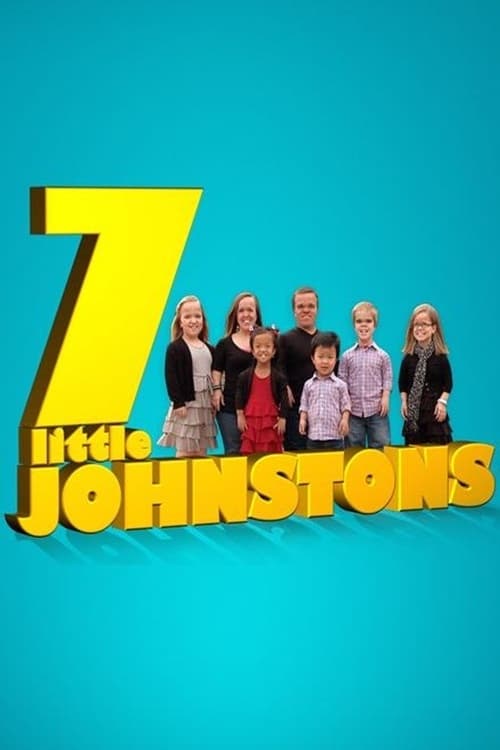
"7 Little Johnstons" follows the lives of the Johnston family, who are all affected by dwarfism. The series begins by introducing the family members: parents Trent and Amber, and their five children, all of whom have achondroplasia. The family consists of Jonah, Elizabeth, Anna, Alex, and Emma. Each episode explores their daily lives, challenges, and milestones, showcasing their close-knit relationships and the unique dynamics of living with dwarfism.
In the first season, the family navigates various life events, including school, friendships, and personal growth. Jonah, the eldest son, is preparing for his first job and grappling with the responsibilities that come with it. His journey includes learning how to drive, which is a significant milestone for him. The family supports him through this process, emphasizing the importance of independence.
Amber and Trent often discuss their parenting strategies, focusing on how to instill confidence in their children while also preparing them for the realities of the world. They emphasize the need for their kids to be self-sufficient and to face challenges head-on. This theme is prevalent as they encourage their children to participate in activities that push them out of their comfort zones.
Elizabeth, the only daughter, is shown dealing with typical teenage issues, including friendships and dating. Her relationship with her parents is explored, particularly as she seeks more independence. The family dynamics shift as she navigates her social life, leading to moments of tension and resolution with her parents.
Anna, the second daughter, is portrayed as a creative and artistic individual. Her passion for art is highlighted, and the family supports her endeavors, showcasing their encouragement of each child's unique talents. Anna's journey includes participating in art shows and competitions, which brings both pride and anxiety as she seeks validation for her work.
Alex and Emma, the younger siblings, are depicted as playful and energetic. Their interactions often provide comic relief, but they also face their own challenges, such as school projects and friendships. The family rallies around them during these moments, reinforcing their bond and the importance of family support.
As the season progresses, the family faces external challenges, including societal perceptions of dwarfism. They encounter situations where they must advocate for themselves and educate others about their experiences. These moments are pivotal, as they highlight the family's resilience and commitment to raising awareness about dwarfism.
The season culminates in significant family events, such as birthdays and milestones. Each celebration is filled with joy and reflection, allowing the family to come together and appreciate their journey. The emotional highs and lows of these events serve to strengthen their connections and reinforce the show's central theme of family unity.
Throughout the series, the Johnstons' story is one of love, perseverance, and the everyday challenges of living with dwarfism. Each episode builds on the previous ones, creating a rich tapestry of experiences that showcase the family's growth and the importance of support and understanding in their lives.








What is the ending?
The show "7 Little Johnstons" does not have a traditional ending as it is a reality television series that follows the lives of the Johnston family, who are all little people. The series showcases their daily lives, challenges, and triumphs, but it does not conclude with a definitive ending like a scripted show would.
In the expanded narrative, the series captures the ongoing journey of the Johnston family, focusing on their experiences, relationships, and personal growth.
As the seasons progress, the family members navigate various life events. Trent and Amber Johnston, the parents, continue to support their five children: Jonah, Elizabeth, Anna, Alex, and Emma. Each child faces their own unique challenges, from school to relationships, and the family rallies around one another, showcasing their strong bond.
In the later episodes, the family deals with significant milestones. Jonah, the eldest son, explores his independence and begins to take steps toward adulthood, including discussions about moving out and pursuing his own interests. His journey is filled with moments of excitement and anxiety, reflecting his desire for independence while still valuing his family's support.
Elizabeth, the second child, experiences her own growth as she navigates teenage life, friendships, and her aspirations. Her relationship with her parents is tested as she seeks more freedom, leading to heartfelt conversations about trust and responsibility.
Anna, the third child, continues to develop her interests and talents, showcasing her artistic side. Her journey is marked by moments of self-discovery and the family's encouragement, highlighting the importance of pursuing one's passions.
Alex and Emma, the younger siblings, bring a sense of joy and innocence to the family dynamic. Their playful interactions and sibling bonds are a constant source of laughter, and they often remind the family of the importance of cherishing each moment together.
Throughout the series, the Johnstons face societal challenges and misconceptions about little people, but they confront these issues with resilience and humor. The family's unity is a central theme, as they support one another through life's ups and downs, demonstrating the power of love and acceptance.
As the series progresses, the Johnstons continue to embrace their unique identities while navigating the complexities of life. The show concludes without a definitive ending, leaving viewers with a sense of ongoing journey and the understanding that the family's story continues beyond the screen. Each family member's fate remains intertwined, emphasizing the importance of family support and the shared experiences that shape their lives.
Is there a post-credit scene?
"7 Little Johnstons" does not typically feature post-credit scenes. The show primarily focuses on the daily lives and experiences of the Johnston family, who are all little people, as they navigate various challenges and milestones together. Each episode concludes with a wrap-up of the family's activities and reflections, but there are no additional scenes or content after the credits. The emphasis remains on the family's dynamics, personal growth, and the lessons they learn throughout their journey.
What challenges do the Johnston family face regarding their children's education and social interactions?
Throughout the series, the Johnston family navigates various challenges related to their children's education and social interactions. The parents, Trent and Amber, are particularly focused on ensuring that their children, who all have dwarfism, receive a quality education while also fostering their social skills. They often discuss the importance of inclusion in schools and the need for their children to develop friendships outside of their immediate family. This leads to emotional moments where the children express their feelings about being different and their desire to fit in.
How does Anna's journey towards independence evolve throughout the series?
Anna's journey towards independence is a significant plot element in '7 Little Johnstons.' As the series progresses, viewers witness her desire to assert her independence, which includes learning to drive and exploring her own interests. Her parents support her ambitions but also express concern about the challenges she may face as a young adult with dwarfism. This internal conflict creates emotional scenes where Anna grapples with her aspirations and the realities of her condition, showcasing her growth and determination.
What role does the family dynamic play in the children's personal development?
The family dynamic in the Johnston household is crucial to the children's personal development. Each episode highlights the interactions between siblings, particularly the bond between Anna, Elizabeth, and Alex. The parents encourage open communication and support, which fosters a nurturing environment. However, there are also moments of sibling rivalry and conflict, especially as they navigate adolescence. These dynamics reveal the complexities of growing up in a close-knit family and how they influence each child's self-esteem and social skills.
How do the Johnstons handle societal perceptions and stereotypes about dwarfism?
The Johnstons frequently confront societal perceptions and stereotypes about dwarfism throughout the series. They engage in candid discussions about the misconceptions people have and the challenges they face in public settings. The parents, Trent and Amber, often emphasize the importance of educating others and advocating for their children's rights. This leads to poignant moments where the children share their experiences, highlighting their resilience and the emotional toll of dealing with ignorance and prejudice.
What significant milestones do the children achieve during the series?
Throughout '7 Little Johnstons,' the children achieve several significant milestones that are celebrated by the family. These include academic achievements, such as graduating from high school, and personal milestones like learning to drive or participating in extracurricular activities. Each milestone is met with a mix of pride and anxiety from the parents, who worry about their children's future but also recognize the importance of these experiences in fostering independence and self-confidence.
Is this family friendly?
"7 Little Johnstons" is generally considered family-friendly, focusing on the lives of the Johnston family, who are all little people. The show highlights themes of family, acceptance, and the challenges they face in a society that often misunderstands them. However, there are a few aspects that might be considered objectionable or upsetting for children or sensitive viewers:
-
Discussions of Bullying: The show occasionally addresses experiences of bullying and discrimination that the family members face due to their stature, which can be emotional and may resonate with viewers who have faced similar issues.
-
Health Concerns: There are moments where health issues related to dwarfism are discussed, which might be distressing for some viewers, especially younger children who may not fully understand the context.
-
Family Conflicts: Like many families, the Johnstons experience disagreements and conflicts that can lead to emotional tension. These scenes may evoke feelings of discomfort or sadness.
-
Social Situations: The family navigates various social situations that can be awkward or challenging, which may include moments of misunderstanding or insensitivity from others.
-
Real-Life Challenges: The show portrays real-life challenges that come with being a little person, including societal perceptions and personal struggles, which may be heavy for some viewers.
Overall, while the show promotes positive messages about family and acceptance, it does touch on sensitive topics that may require parental guidance for younger viewers.