




Popular
What are the main challenges faced by the hosts in the first episode of The Grand Tour?
How does the rivalry between Clarkson and Hammond manifest in the series?
What unique vehicle challenges do the hosts undertake in the 'Motorsport' episode?
What is the significance of the 'Celebrity Brain Crash' segment?
How do the hosts' personalities influence their car choices in the series?
Should I watch it?
Ask Your Own Question

What is the plot?
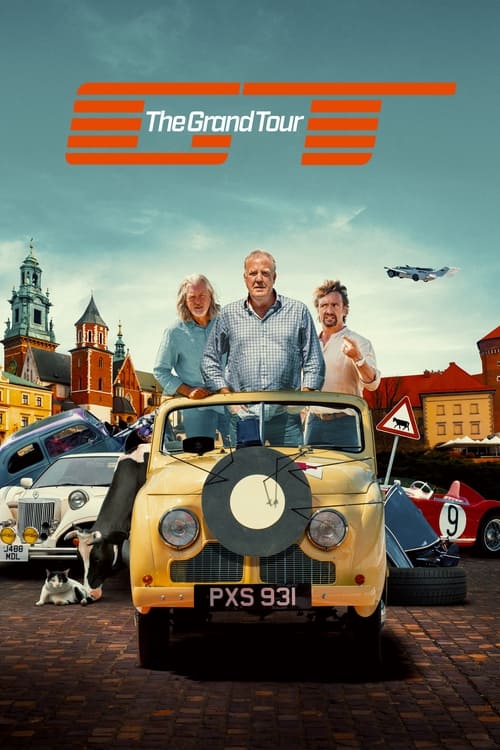
The Grand Tour begins with a grand introduction featuring Jeremy Clarkson, Richard Hammond, and James May, who are now free from the constraints of the BBC. The first episode, titled "The Holy Trinity," opens with the trio arriving at a stunning location in the ex-RAF base in Surrey, England. They are greeted by a massive audience, and the atmosphere is electric as they prepare to showcase their new car review format. Clarkson introduces the concept of the show, emphasizing the freedom they now have to explore the world of automobiles without restrictions.
The episode quickly transitions to the main segment, where the hosts are tasked with testing three hypercars: the McLaren P1, the Porsche 918 Spyder, and the Ferrari LaFerrari. Each car is presented with its unique features and specifications, and the hosts express their excitement and competitive spirit. They take turns driving the cars on a closed track, showcasing their performance, speed, and handling. The tension builds as they compete against each other, with each host trying to prove that their chosen car is superior.
As the test progresses, the hosts engage in humorous banter, highlighting their personalities. Clarkson, with his brash confidence, argues for the McLaren P1, while Hammond passionately defends the Porsche 918 Spyder, and May, with his more reserved demeanor, champions the Ferrari LaFerrari. The competition culminates in a timed lap around the track, where each car's performance is put to the ultimate test. The results are revealed, and the McLaren P1 emerges as the fastest, much to Clarkson's delight.
Following the hypercar challenge, the episode shifts to a segment featuring Hammond, who embarks on a journey to drive a classic car across the scenic landscapes of the Scottish Highlands. He chooses a 1970s classic car, the Aston Martin V8, and sets off on an adventure filled with picturesque views and charming encounters with locals. The segment captures the essence of driving a classic car, with Hammond expressing nostalgia and joy as he navigates winding roads and experiences the thrill of the open road.
Meanwhile, Clarkson and May engage in a separate challenge, where they must build their own vehicles from scratch using unconventional materials. They are tasked with creating a car that can withstand a series of challenges, including a water crossing and a steep hill climb. The process is filled with comedic mishaps, as they struggle to construct their vehicles while bickering and competing against each other. The tension escalates as they realize the limitations of their designs, leading to a series of humorous failures.
The episode concludes with a dramatic segment featuring a race between the three hypercars and a jet fighter. The hosts set up a thrilling showdown, with the cars racing against the jet in a bid to determine which is faster. The anticipation builds as the race unfolds, showcasing the incredible speed and power of the hypercars. The outcome is exhilarating, leaving the audience on the edge of their seats as the hosts react to the results.
In the final moments of the episode, the trio reflects on their experiences, sharing their thoughts on the cars they tested and the adventures they embarked on. The camaraderie and chemistry between Clarkson, Hammond, and May shine through, setting the tone for the rest of the series. The episode ends with a teaser for the next installment, promising more thrilling challenges and automotive adventures to come.
More TV Shows Like This
Browse All TV Shows →



What is the ending?
The Grand Tour does not have a traditional ending like a scripted movie or series, as it is a motoring show featuring Jeremy Clarkson, Richard Hammond, and James May. Each episode typically concludes with a unique challenge or adventure, and the series itself continues to produce new episodes. However, the final episode of Season 4, titled "Seamen," features the trio embarking on a journey across Vietnam, culminating in a race to the finish line.
In the expanded narrative of the final episode of Season 4, the scene opens with the trio in Vietnam, where they are tasked with building their own boats from scratch. The atmosphere is filled with excitement and a hint of competition as they gather materials and brainstorm designs. Jeremy Clarkson, ever the competitive spirit, is determined to create the fastest boat, while Richard Hammond and James May take a more cautious approach, focusing on stability and practicality.
As they construct their vessels, the camaraderie and banter between the three friends shine through. Clarkson's boat, a sleek and ambitious design, is met with skepticism from his friends, who worry about its seaworthiness. Meanwhile, Hammond opts for a more traditional design, while May, with his characteristic meticulousness, builds a boat that is both quirky and functional.
Once the boats are completed, the trio sets out on the water, the sun glistening on the surface of the river. The scene is vibrant, filled with the sounds of laughter and the splashes of water as they navigate their creations. However, the competition quickly heats up, and the playful rivalry escalates as they race against each other. Clarkson's boat, initially leading the pack, soon encounters issues, leading to a comedic series of mishaps.
As the race progresses, the emotional stakes rise. Each character's determination to win reflects their personalities: Clarkson's relentless ambition, Hammond's desire to prove himself, and May's understated confidence. The tension builds as they approach the finish line, with each character pushing their boat to its limits.
In the final moments, the race culminates in a chaotic yet humorous finish, with all three boats crossing the line in a flurry of splashes and laughter. The episode concludes with a sense of achievement and camaraderie, highlighting the bond between the three friends despite their competitive nature.
As the credits roll, viewers are left with a sense of closure for this particular adventure, but the series itself remains open-ended, with the promise of more journeys and challenges to come. Each character leaves the episode with a renewed sense of friendship and the joy of shared experiences, embodying the spirit of adventure that defines The Grand Tour.
Who dies?
Is there a post-credit scene?
In "The Grand Tour," there are no traditional post-credit scenes like those often found in superhero movies. However, the show does feature a unique format where each episode concludes with a segment called "The Grand Tour Presents," which often includes humorous outtakes, behind-the-scenes moments, or additional commentary from the hosts--Jeremy Clarkson, Richard Hammond, and James May.
These segments serve as a light-hearted wrap-up to the episode, showcasing the camaraderie and playful banter among the trio. They often reflect on the challenges faced during the episode's main segments, share amusing anecdotes, or provide a glimpse into their personalities outside of the scripted content.
While these moments are not post-credit scenes in the traditional sense, they do provide an entertaining conclusion to each episode, leaving viewers with a sense of closure and a smile as they watch the hosts interact in a more relaxed setting.
What are the main challenges faced by the hosts in the first episode of The Grand Tour?
In the first episode of The Grand Tour, titled 'The Holy Trinity,' the hosts Jeremy Clarkson, Richard Hammond, and James May face the challenge of testing three hypercars: the McLaren P1, the Porsche 918 Spyder, and the Ferrari LaFerrari. The episode is set in a massive tent in the English countryside, where they conduct various tests to determine which car is the best. The hosts engage in a series of humorous and competitive segments, including a race on a closed track, where they push the limits of each car's performance. The tension between the hosts is palpable, especially as they each defend their chosen car while trying to outdo one another.
How does the rivalry between Clarkson and Hammond manifest in the series?
Throughout The Grand Tour, the rivalry between Jeremy Clarkson and Richard Hammond is a recurring theme that adds humor and tension to the show. In various episodes, this rivalry is showcased through competitive challenges, where they often try to outsmart or outdrive each other. For instance, in the episode 'The Beach Buggy Boys,' they embark on a road trip to the coast, and their competitive nature leads to pranks and sabotage, with Clarkson attempting to undermine Hammond's vehicle choices. This rivalry is fueled by their contrasting personalities, with Clarkson often taking a more aggressive approach while Hammond tends to be more strategic and clever.
What unique vehicle challenges do the hosts undertake in the 'Motorsport' episode?
In the 'Motorsport' episode of The Grand Tour, the hosts take on the challenge of racing various vehicles in a series of unique and entertaining competitions. They participate in a race against a professional driver, showcasing their skills and the capabilities of their chosen cars. The episode features a segment where they attempt to drift cars around a track, leading to comedic mishaps and unexpected outcomes. The hosts' competitive spirits shine through as they push their limits, with Clarkson's bravado often clashing with May's cautious approach, creating a dynamic filled with both tension and laughter.
What is the significance of the 'Celebrity Brain Crash' segment?
The 'Celebrity Brain Crash' segment in The Grand Tour serves as a humorous interlude where a celebrity guest is introduced, only to meet an unexpected and often absurd demise before they can complete their introduction. This recurring gag highlights the show's irreverent humor and willingness to poke fun at celebrity culture. Each episode features a different celebrity, and the over-the-top nature of their 'deaths' adds a layer of dark comedy. The segment reflects the show's playful tone and the hosts' penchant for satire, as they often comment on the absurdity of the situations presented.
How do the hosts' personalities influence their car choices in the series?
In The Grand Tour, the distinct personalities of the hosts significantly influence their car choices, reflecting their individual tastes and driving styles. Jeremy Clarkson, known for his love of power and speed, often gravitates towards high-performance vehicles that emphasize raw horsepower. Richard Hammond, on the other hand, tends to favor cars that combine performance with practicality, often choosing vehicles that are fun to drive but also have a unique character. James May, the more analytical and detail-oriented host, often selects cars based on their engineering and historical significance, showcasing his appreciation for craftsmanship. This dynamic creates engaging discussions and debates among the hosts, as they defend their choices and challenge each other's preferences.
Is this family friendly?
"The Grand Tour," produced in 2016, is primarily aimed at an adult audience and contains several elements that may not be considered family-friendly. Here are some potentially objectionable or upsetting aspects:
-
Language: The show features frequent use of strong language, including profanity, which may not be suitable for children.
-
Violence: There are scenes involving car crashes, stunts, and other dangerous activities that may be intense or upsetting for sensitive viewers.
-
Adult Themes: The show often includes discussions and jokes about adult themes, including relationships and sexuality, which may not be appropriate for younger audiences.
-
Humor: The humor can be irreverent and sometimes offensive, relying on stereotypes or controversial topics that might not resonate well with all viewers.
-
Cultural Sensitivity: Some segments may include cultural references or portrayals that could be seen as insensitive or offensive to certain groups.
-
Animal Treatment: There are instances where animals are involved in stunts or challenges, which could be distressing for animal lovers or sensitive viewers.
Overall, while "The Grand Tour" is entertaining for many, it is advisable for parents to consider these aspects before allowing children to watch the show.