


Popular
What types of weapons are typically forged in each episode of Forged in Fire?
Who are the judges on Forged in Fire and what are their backgrounds?
What challenges do contestants face during the forging process in Forged in Fire?
How do the contestants' personal stories and motivations influence their performance on the show?
What is the significance of the final testing phase in Forged in Fire?
Should I watch it?
Ask Your Own Question

What is the plot?
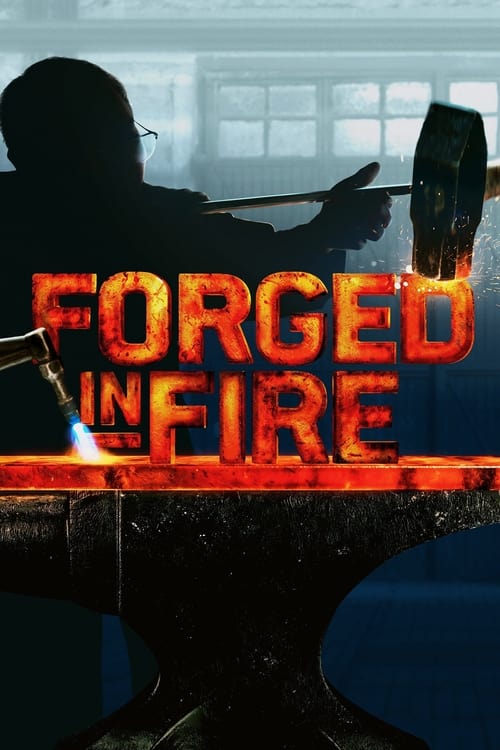
"Forged in Fire" is a competition-based reality television series where bladesmiths from various backgrounds compete to create weapons. Each episode typically follows a similar structure, featuring four contestants who face a series of challenges designed to test their skills in forging, shaping, and finishing blades.
The episode begins with the introduction of the four contestants, each showcasing their unique backgrounds and skills in bladesmithing. The host provides a brief overview of the competition format, explaining that the contestants will face two rounds of challenges, with one competitor being eliminated after each round.
In the first round, the contestants are tasked with forging a blade from a specific type of metal, often a unique or challenging material. They gather their materials and head to their workstations, where they begin the forging process. Tension builds as they work against the clock, hammering the metal into shape while also considering the design and functionality of their blades. Each contestant's internal motivations are revealed through interviews, showcasing their passion for bladesmithing and the desire to win the competition.
As the time limit approaches, the contestants face various challenges, such as dealing with unexpected issues like cracks in the metal or difficulties in achieving the desired shape. The judges, who are experienced bladesmiths themselves, observe the contestants closely, offering critiques and insights into their techniques. The contestants' emotional states fluctuate between confidence and anxiety as they strive to impress the judges.
Once the time is up, the contestants present their blades to the judges for evaluation. The judges examine each blade for craftsmanship, sharpness, and overall design. They provide feedback, highlighting strengths and weaknesses. After deliberation, one contestant is eliminated based on their performance, leaving three remaining competitors to advance to the next round.
In the second round, the remaining contestants are given a more complex challenge, often involving the creation of a historically significant weapon or a specific type of blade. They must now incorporate additional elements, such as unique handle designs or specific blade features that reflect the weapon's historical context. The pressure intensifies as they work to meet the judges' expectations.
Throughout this round, the contestants face new obstacles, such as time management issues or difficulties in achieving the desired finish on their blades. The emotional stakes are higher, as each contestant reflects on what winning would mean for their careers and personal lives. They share stories of their journeys in bladesmithing, revealing their dedication and the sacrifices they've made to pursue their passion.
As the final moments of the competition approach, the contestants rush to complete their blades, often working frantically to add finishing touches. The judges prepare for the final evaluation, and the atmosphere is charged with anticipation. Each contestant presents their completed weapon, showcasing not only the blade but also the craftsmanship of the handle and any additional features they incorporated.
The judges conduct a thorough examination of each weapon, testing for sharpness and durability. They engage in discussions about the techniques used and the historical significance of the designs. After careful consideration, the judges announce the winner of the episode, celebrating their skill and creativity while also providing constructive feedback to the other contestants.
The episode concludes with the winner reflecting on their victory and what it means for their future in bladesmithing, while the eliminated contestants express their disappointment but also their gratitude for the experience. The screen fades to black, leaving viewers eager for the next episode and the new challenges that await the next group of bladesmiths.








What is the ending?
In the finale of each episode of "Forged in Fire," the remaining contestants face off in a final challenge to create a weapon that will be tested for performance, durability, and craftsmanship. The winner is crowned the champion and receives a cash prize, while the other competitors leave with their experiences and lessons learned.
In a detailed narrative of the ending, we begin with the final two contestants standing in the forge, their faces illuminated by the flickering flames. The tension in the air is palpable as they prepare for the ultimate test of their skills. Each competitor has poured their heart and soul into their weapon, knowing that this moment could define their careers as bladesmiths.
Scene 1: The Final Forge The camera pans over the workstations, showcasing the intricate details of the weapons being crafted. One contestant, a seasoned bladesmith with years of experience, meticulously hones the edge of a katana, his brow furrowed in concentration. The other, a younger smith with a fierce determination, works on a broadsword, his hands steady but his heart racing. The clock ticks down, and the pressure mounts as they race against time.
Scene 2: The Testing Phase With the weapons completed, the contestants present their creations to the judges. The katana gleams under the studio lights, its blade reflecting the hard work and dedication of its creator. The broadsword, robust and powerful, stands as a testament to the younger smith's ambition. The judges examine each weapon closely, noting the craftsmanship, balance, and overall design. The contestants watch anxiously, their emotions a mix of pride and fear.
Scene 3: The Performance Tests The judges begin the performance tests, first with the katana. It slices through a series of targets with precision, showcasing the sharpness and balance that the seasoned smith aimed for. The crowd holds its breath as the blade performs flawlessly. Next, the broadsword is put to the test. It strikes with force, demonstrating its durability and the strength of its construction. The younger smith watches, a flicker of hope in his eyes as the judges deliberate.
Scene 4: The Announcement After the tests, the judges gather to discuss their findings. The atmosphere is thick with anticipation as the contestants stand side by side, their fates hanging in the balance. The lead judge steps forward, and the room falls silent. He announces the winner, praising the craftsmanship and performance of the katana. The seasoned smith's face lights up with joy, a mixture of relief and triumph washing over him. He has proven his skills once again, and the victory is a validation of his years of hard work.
Scene 5: The Aftermath The younger smith, though disappointed, holds his head high. He acknowledges the experience as a valuable lesson, understanding that every competition is an opportunity for growth. As the winner celebrates, the camera captures the camaraderie between the contestants, highlighting the respect they have for one another despite the competitive nature of the show. The episode concludes with the winner receiving the cash prize and the title of champion, while the other contestant leaves with newfound knowledge and determination to return stronger in the future.
In the end, "Forged in Fire" encapsulates the journey of each bladesmith, showcasing their passion, resilience, and the artistry involved in weapon-making. Each episode ends with a reminder that while only one can win, the true victory lies in the skills honed and the friendships forged along the way.
Is there a post-credit scene?
"Forged in Fire," produced in 2015, does not feature post-credit scenes. Each episode typically concludes with the final judgment of the contestants, where the judges evaluate the weapons created during the competition. After the winner is announced, the episode wraps up without any additional scenes or content following the credits. The focus remains on the craftsmanship, the emotional journey of the competitors, and the intense challenges they face throughout the forging process.
What types of weapons are typically forged in each episode of Forged in Fire?
In each episode of Forged in Fire, contestants are tasked with forging various types of weapons, which can include swords, knives, axes, and other bladed instruments. Each weapon is often inspired by historical designs, such as the katana, the Viking sword, or the Bowie knife, showcasing the contestants' skills in metallurgy and craftsmanship.
Who are the judges on Forged in Fire and what are their backgrounds?
The judges on Forged in Fire typically include expert bladesmiths and weapon specialists such as Wil Willis, Jason Knight, Doug Marcaida, and David Baker. Each judge brings a wealth of experience in weapon crafting, historical knowledge, and practical testing, providing contestants with critical feedback on their creations.
What challenges do contestants face during the forging process in Forged in Fire?
Contestants face a series of challenges during the forging process, including time constraints, specific material requirements, and the need to meet certain design specifications. They must also demonstrate their ability to handle tools and techniques under pressure, often leading to intense moments of frustration and triumph as they strive to create a functional weapon.
How do the contestants' personal stories and motivations influence their performance on the show?
Contestants often share personal stories that reveal their motivations for competing, such as a passion for craftsmanship, a desire to honor family traditions, or the pursuit of professional recognition. These narratives add emotional depth to their performances, as viewers witness how their backgrounds and aspirations drive them to succeed or struggle during the competition.
What is the significance of the final testing phase in Forged in Fire?
The final testing phase in Forged in Fire is crucial as it determines the functionality and durability of the forged weapons. Judges conduct rigorous tests, such as cutting through various materials or striking against hard surfaces, to evaluate the weapons' performance. This phase not only highlights the craftsmanship of the contestants but also serves as a dramatic climax, showcasing the stakes of their hard work and dedication.
Is this family friendly?
"Forged in Fire," produced in 2015, is a competitive reality show centered around the art of weapon forging. While the show primarily focuses on craftsmanship and skill, there are elements that may be considered objectionable or upsetting for children or sensitive viewers.
-
Intense Competition: The atmosphere can be highly competitive, leading to moments of stress and tension among contestants, which may be unsettling for some viewers.
-
Use of Sharp Tools and Weapons: The show prominently features the use of heavy machinery, sharp tools, and weapons, which could be alarming for younger viewers or those sensitive to violence.
-
Injury Risks: There are discussions about the potential for injuries in the forging process, and while the show does not depict graphic injuries, the mention of accidents may be distressing.
-
Emotional Reactions: Contestants often express frustration, disappointment, or stress when their creations do not meet expectations or when they are eliminated, which could be emotionally charged for some viewers.
-
Themes of Failure: The show highlights the challenges and failures that come with the forging process, which may resonate negatively with sensitive individuals who struggle with themes of inadequacy or defeat.
Overall, while "Forged in Fire" is primarily focused on craftsmanship and creativity, the competitive nature and the context of weapon-making may not be suitable for all children or sensitive viewers.