









Popular
What challenges does Louisa face in managing her family's finances throughout the series?
How does Gerry's passion for animals develop over the course of the series?
What is the nature of the relationship between Louisa and Spiro?
How does Leslie's character change during the series, particularly in relation to his romantic interests?
What role does Margo's character play in the family dynamics and her personal journey?
Should I watch it?
Ask Your Own Question

What is the plot?
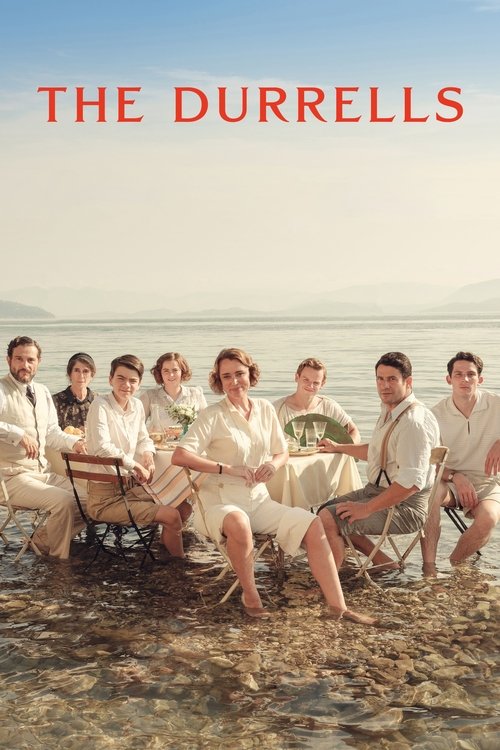
In the first episode, we are introduced to the Durrell family, who are living in England in the 1930s. The matriarch, Louisa Durrell, is struggling to make ends meet after the death of her husband. She decides to uproot her family and move to Corfu, Greece, seeking a fresh start and a more affordable lifestyle. Louisa's four children--Larry, Leslie, Margo, and Gerry--have mixed feelings about the move. Larry, the eldest, is a budding writer who is frustrated by the change. Leslie, the second son, is more interested in hunting and adventure. Margo, the only daughter, is preoccupied with her appearance and romantic prospects. Gerry, the youngest, is fascinated by nature and animals.
Upon arriving in Corfu, the family is struck by the beauty of the island. They settle into a dilapidated villa, which is charming but in need of repairs. Louisa is determined to make the best of their new life, but the children quickly realize that adapting to their new surroundings will not be easy. Gerry begins to explore the island, collecting various animals and befriending the local wildlife. Meanwhile, Margo struggles to fit in and finds herself infatuated with a local boy, while Larry attempts to find inspiration for his writing.
As the family begins to adjust, they encounter various local characters, including the eccentric and charming Spiro, who becomes a friend and ally to Louisa. He helps the family navigate their new life, introducing them to the local culture and customs. Spiro's kindness and support provide a sense of stability for the Durrells as they settle into their new home.
In the following episodes, the family faces a series of challenges. Louisa tries to establish a household and manage her children's differing needs and desires. Larry's writing ambitions lead him to seek out local stories and characters, while Leslie's hunting pursuits often land him in trouble. Margo's romantic interests lead to comedic situations, particularly when she becomes involved with a local man who is not what he seems.
Gerry's adventures with animals become a central theme, as he brings home various creatures, including a tortoise and a baby owl. His passion for nature often clashes with Louisa's attempts to maintain order in the household. The family's dynamics are tested as they navigate their individual desires and the realities of their new life.
As the season progresses, the Durrells experience both joy and hardship. They celebrate local festivals, enjoy the beauty of the island, and form deeper connections with the community. However, they also face setbacks, including financial struggles and the challenges of adapting to a new culture. Louisa's determination to keep the family together and happy is a driving force throughout the series.
The relationships among the siblings evolve, with moments of conflict and camaraderie. Larry's literary pursuits lead him to meet various interesting characters, while Leslie's adventures often result in humorous mishaps. Margo's romantic escapades provide both comedic relief and moments of self-discovery.
As the season nears its conclusion, the family faces a significant turning point. Louisa must confront the reality of their financial situation and the possibility of returning to England. The children, now more accustomed to their life in Corfu, express their desire to stay. This culminates in a heartfelt family discussion where they reaffirm their commitment to each other and their new home.
In the final episodes, the Durrells come together to celebrate their newfound sense of belonging. They embrace the challenges of their life in Corfu, with Louisa taking charge of their future. The season ends on a hopeful note, with the family united and looking forward to the adventures that await them in their idyllic, yet unpredictable, new life.








What is the ending?
In the final episode of The Durrells, the family faces significant changes as they prepare for the future. Louisa contemplates her relationship with Spiros, while Gerry's passion for animals leads him to a new opportunity. Leslie finds love, and Margo embraces her independence. The series concludes with the family united, reflecting on their time in Corfu and looking forward to new adventures.
As the final episode unfolds, we find the Durrell family in their beloved home in Corfu, a place that has become a sanctuary for them over the years. The sun shines brightly, casting a warm glow over the vibrant landscape, filled with the sounds of nature and the distant laughter of children playing. Louisa Durrell, the matriarch, is in a contemplative mood, reflecting on the changes that are about to take place in their lives.
Scene by scene, we see Louisa grappling with her feelings for Spiros, the local tavern owner who has become a significant part of her life. Their relationship has deepened, and as she prepares to say goodbye to Corfu, she must decide whether to pursue a future with him or to return to England. The emotional weight of this decision hangs heavily on her, and we see her vulnerability as she navigates her feelings of love and uncertainty.
Meanwhile, Gerry, the youngest Durrell, is thriving in his passion for animals. He has developed a close bond with the wildlife around him, and his enthusiasm is infectious. In this final episode, he receives an exciting opportunity to work with a local conservationist, which symbolizes his growth and the potential for his future. Gerry's excitement is palpable, and it highlights his journey from a curious boy to a young man ready to embrace his dreams.
Leslie, the second eldest son, is also on a path of self-discovery. He has found love with a local girl, and their relationship blossoms throughout the episode. Leslie's character has evolved from a somewhat reckless youth to a more responsible young man, and this new romance signifies his readiness to settle down and take on new responsibilities. The joy in his eyes as he shares moments with his love is a testament to his growth.
Margo, the only daughter, is embracing her independence in a way that reflects her desire to carve out her own identity. She has been through various phases throughout the series, but in this final episode, she stands firm in her choices, ready to explore life beyond the confines of her family. Her determination to pursue her own path is a significant moment, showcasing her evolution from a girl seeking approval to a young woman asserting her independence.
As the episode progresses, the family gathers for a final meal together, filled with laughter and nostalgia. They reminisce about their adventures in Corfu, the challenges they faced, and the love that has bound them together. The warmth of their connection is evident, and it serves as a poignant reminder of the journey they have shared. Each character reflects on their personal growth and the bonds they have formed, creating a bittersweet atmosphere as they prepare to part ways.
In the closing moments, Louisa makes her decision regarding Spiros, choosing to embrace the possibility of love while also acknowledging the need to move forward. The family stands together, united in their love for one another, ready to face the future, whatever it may hold. The camera pans out, capturing the beauty of Corfu one last time, a symbol of the memories they will carry with them.
As the screen fades to black, the fate of each main character is clear: Louisa is poised to explore a new chapter with Spiros, Gerry is set to embark on his conservation journey, Leslie is ready to embrace love and responsibility, and Margo is determined to forge her own path. The series concludes with a sense of hope and possibility, leaving the audience with a lasting impression of the Durrell family's resilience and love.
Is there a post-credit scene?
The Durrells, produced in 2016, does not feature a post-credit scene. The series concludes with its final episode, wrapping up the storylines of the Durrell family without any additional scenes after the credits. The focus remains on the emotional resolutions and character developments throughout the series, particularly in the last episode, where the family reflects on their time in Corfu and the changes they have experienced. The absence of a post-credit scene allows the audience to fully absorb the conclusion of the characters' journeys without any further distractions.
What challenges does Louisa face in managing her family's finances throughout the series?
Throughout 'The Durrells', Louisa Durrell grapples with the financial instability of her family after moving to Corfu. She often finds herself in precarious situations, such as when she must negotiate with local vendors or when she considers taking in boarders to make ends meet. Her determination to provide for her children while maintaining a sense of dignity leads her to explore various means of income, including selling homemade goods and seeking assistance from friends.
How does Gerry's passion for animals develop over the course of the series?
Gerry Durrell's fascination with animals is a central theme in the series. From the outset, he is depicted as a curious and adventurous boy, often seen collecting various creatures around Corfu. His passion deepens as he befriends local wildlife, leading to humorous and touching moments, such as when he rescues a baby tortoise or befriends a local goat. His character's growth is marked by his increasing knowledge and empathy towards animals, culminating in his desire to become a naturalist.
What is the nature of the relationship between Louisa and Spiro?
Louisa's relationship with Spiro, the local taxi driver, evolves from a simple friendship to a deeper bond throughout the series. Spiro serves as a guide and protector for the Durrell family, often helping them navigate the challenges of their new life in Corfu. As the series progresses, Louisa finds herself drawn to Spiro's warmth and reliability, leading to moments of flirtation and emotional connection, which highlight her struggle between independence and the desire for companionship.
How does Leslie's character change during the series, particularly in relation to his romantic interests?
Leslie Durrell's character experiences significant development, particularly in his romantic pursuits. Initially portrayed as a somewhat awkward and impulsive young man, Leslie's interactions with various women throughout the series reveal his longing for love and acceptance. His relationships, including a notable romance with a local girl, showcase his growth as he learns to navigate the complexities of love, heartbreak, and maturity, ultimately leading him to a more confident and self-assured version of himself.
What role does Margo's character play in the family dynamics and her personal journey?
Margo Durrell's character serves as a source of both comic relief and emotional depth within the family dynamics. Throughout the series, she grapples with her identity and self-image, often feeling overshadowed by her more vibrant siblings. Her journey includes various romantic entanglements and personal experiments, such as her attempts to find her place in the world and her struggles with societal expectations. Margo's evolution reflects her quest for independence and self-acceptance, ultimately contributing to the family's overall narrative of growth and resilience.
Is this family friendly?
"The Durrells," produced in 2016, is generally considered family-friendly, but it does contain some scenes and themes that may be objectionable or upsetting for children or sensitive viewers. Here are a few aspects to be aware of:
-
Death and Grief: The show touches on themes of loss and the impact of death, particularly in relation to the family's past and their experiences with animals.
-
Romantic Relationships: There are various romantic entanglements depicted, including some that involve adult themes and emotional complexities that may not be suitable for younger viewers.
-
Conflict and Tension: Family dynamics can be tumultuous, with arguments and disagreements that may be intense at times, reflecting real-life family struggles.
-
Animal Welfare: The show features scenes involving animals, including moments that may depict injury or distress, which could be upsetting for animal lovers.
-
Cultural Differences: The portrayal of different cultures and lifestyles may include misunderstandings or conflicts that could be sensitive for some viewers.
Overall, while the series is light-hearted and comedic in many respects, these elements may require parental guidance for younger audiences.









