
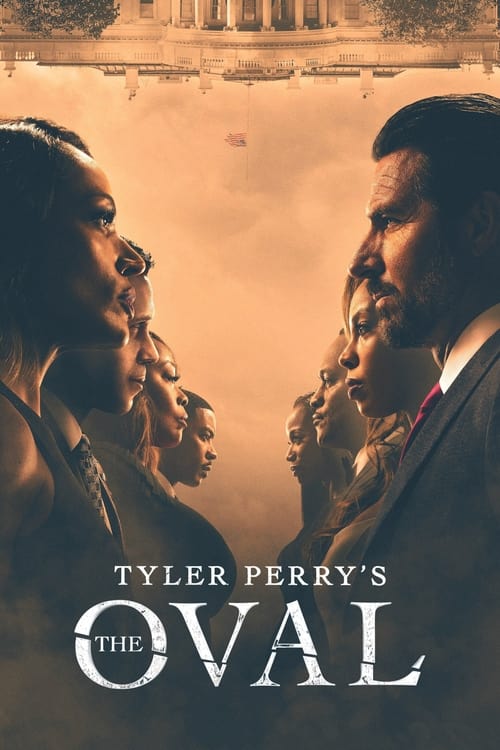











Popular
What are the main conflicts between the First Family and the staff at the White House?
How does the character of Victoria Franklin manipulate those around her?
What is the significance of the character Richard Hallsen in the story?
How does the relationship between Barry and Sharon evolve throughout the series?
What role does the character of Dale play in the dynamics of the White House staff?
Should I watch it?
Ask Your Own Question

What is the plot?
The series begins with the introduction of the Franklin family, who are moving into the White House after the election of President Hunter Franklin and First Lady Victoria Franklin. The couple is shown to have a tumultuous relationship, with Victoria being cold and controlling, while Hunter appears more laid-back and charming. Their son, Jason, is introduced as a troubled teenager with a penchant for violence and manipulation. The family dynamics are established, highlighting the tension between Hunter and Victoria, as well as the dysfunctional nature of their family.
As the story unfolds, we are introduced to the staff of the White House, including the Chief of Staff, Eli, and the head of security, Dale. They are tasked with managing the complexities of the new administration while dealing with their own personal issues. Dale is shown to have a romantic interest in a fellow staff member, which complicates his professional life. The staff's interactions reveal the underlying power struggles and secrets that exist within the White House.
Victoria's ruthless nature is further explored as she begins to assert her dominance over the staff and her husband. She is shown to be manipulative, using her position to intimidate those around her. This is particularly evident in her interactions with the First Lady's aide, who is often caught in the crossfire of Victoria's demands. The tension escalates as Victoria's jealousy and paranoia about her husband's loyalty grow, leading her to make increasingly drastic decisions.
Meanwhile, Hunter's past comes back to haunt him as a scandal involving his previous relationships surfaces. This creates a rift between him and Victoria, who feels betrayed and humiliated. Hunter's attempts to smooth things over only exacerbate the situation, leading to explosive confrontations between the couple. The emotional stakes rise as both characters grapple with their feelings of love, betrayal, and the pressures of their public personas.
As the series progresses, Jason's character becomes more central to the plot. His violent tendencies manifest in disturbing ways, including threats against his parents and manipulative behavior towards his peers. This culminates in a shocking incident where Jason's actions lead to a confrontation that puts the entire family at risk. The tension surrounding Jason's behavior creates a sense of urgency, as the Franklin family must confront the consequences of their dysfunctional dynamics.
The introduction of new characters, such as the Vice President and his wife, adds further complexity to the narrative. Their ambitions and hidden agendas create additional layers of intrigue within the political landscape. The Vice President's wife, in particular, is shown to have her own motivations, leading to a series of power plays that impact the Franklin family directly.
As the season progresses, the plot thickens with various subplots involving infidelity, betrayal, and the quest for power. The staff members are drawn into the chaos, with their personal lives becoming increasingly intertwined with the political drama. The emotional toll of the characters' decisions is palpable, as they navigate the treacherous waters of loyalty and ambition.
The climax of the season builds towards a series of confrontations that test the characters' relationships and resolve. Victoria's machinations come to a head as she attempts to eliminate anyone she perceives as a threat to her power. This leads to a dramatic showdown between her and Hunter, where long-buried resentments are aired, and the future of their marriage hangs in the balance.
In the final episodes, the fallout from the characters' decisions reaches a boiling point. Jason's actions lead to a tragic event that shakes the family to its core, forcing them to confront the reality of their situation. The emotional devastation is palpable as the characters grapple with loss, guilt, and the consequences of their choices.
The season concludes with a cliffhanger that leaves the fate of the Franklin family uncertain. As they face the repercussions of their actions, the stage is set for further drama and intrigue in the seasons to come. The intricate web of relationships, power struggles, and personal demons ensures that the story remains compelling and unpredictable.








What is the ending?
In the final episodes of Tyler Perry's "The Oval," the story reaches a climax filled with betrayal, power struggles, and shocking revelations. The series concludes with several characters facing dire consequences for their actions, while others find themselves in positions of newfound power or vulnerability.
As the series wraps up, we see the First Family, led by President Hunter Franklin and First Lady Victoria Franklin, grappling with the fallout from their tumultuous reign. Hunter's infidelity and Victoria's ruthless ambition have created a rift in their marriage, leading to a tense confrontation. Victoria, who has always been a master manipulator, reveals her true nature as she seeks to maintain control over her husband and the White House.
Meanwhile, the staff at the White House, including characters like Richard Hallsen and Nancy Hallsen, are caught in the crossfire of the political drama. Richard, who has been a voice of reason throughout the series, faces a moral dilemma as he tries to protect his family while navigating the treacherous waters of the Oval Office. Nancy, his wife, struggles with her own demons, particularly her past and the secrets that threaten to unravel their lives.
The series culminates in a series of shocking events that leave the audience on the edge of their seats. The fate of key characters is revealed: Hunter's presidency is threatened by scandal, Victoria's manipulations lead to unexpected consequences, and the lives of the staff are forever changed by the decisions made in the final moments.
In the closing scenes, the tension reaches a boiling point as alliances shift and betrayals come to light. The series ends with a sense of uncertainty, leaving viewers to ponder the future of the characters and the implications of their choices.
Expanded Narrative:
The final episodes of "The Oval" begin with a palpable tension in the air, as the First Family prepares for a public event. President Hunter Franklin stands in front of a mirror, adjusting his tie, but his reflection reveals a man burdened by guilt and the weight of his infidelities. He knows that his actions have consequences, not just for himself but for his family and the nation.
In the next scene, First Lady Victoria Franklin enters the room, her demeanor icy and calculating. She confronts Hunter about his recent behavior, her voice dripping with disdain. Victoria's eyes flash with anger as she accuses him of being weak and unfit to lead. The confrontation escalates, revealing the deep cracks in their marriage. Hunter, feeling cornered, tries to defend himself, but Victoria's relentless attacks leave him feeling powerless.
Meanwhile, in the staff quarters, Richard Hallsen and Nancy Hallsen discuss the growing chaos in the White House. Richard, ever the moral compass, expresses his concerns about the direction the administration is heading. Nancy, however, is more focused on their family's safety, revealing her fears about the repercussions of their association with the First Family. Their conversation is filled with tension, as both characters grapple with their conflicting priorities.
As the public event unfolds, the atmosphere is electric. The press is eager to capture every moment, and the stakes are high. Hunter and Victoria put on a united front, but the underlying tension is palpable. The camera captures the subtle glances exchanged between the couple, hinting at the turmoil beneath the surface.
In a shocking twist, a scandal breaks during the event, exposing Hunter's infidelities to the public. The media frenzy that ensues is chaotic, with reporters clamoring for answers. Victoria's reaction is one of fury and betrayal, and she quickly shifts into damage control mode, determined to salvage her husband's reputation and her own power.
As the series progresses, the consequences of the scandal ripple through the White House. Richard finds himself in a precarious position, as he is forced to choose between loyalty to the First Family and protecting his own family. Nancy, feeling the weight of their decisions, becomes increasingly anxious about their future.
In the final scenes, the tension reaches its peak. Victoria orchestrates a plan to eliminate anyone who poses a threat to her power, leading to a series of betrayals that leave several characters reeling. The camera captures the emotional turmoil on their faces as they realize the extent of Victoria's ruthlessness.
The series concludes with a dramatic standoff, where the fates of the main characters hang in the balance. Hunter's presidency is left in jeopardy, Victoria's manipulations have dire consequences, and Richard and Nancy must confront the reality of their choices. The final shot lingers on the Oval Office, a symbol of power and corruption, as the screen fades to black, leaving viewers to ponder the future of the characters and the moral complexities of their lives.
Is there a post-credit scene?
Tyler Perry's The Oval does not feature post-credit scenes. The show typically concludes its episodes without additional content after the credits roll. Each episode wraps up its storyline, leaving viewers with a cliffhanger or unresolved plot points that lead into the next episode, but there are no additional scenes or content presented after the credits. The focus remains on the unfolding drama and character developments throughout the episodes themselves.
What are the main conflicts between the First Family and the staff at the White House?
The main conflicts arise from power struggles, personal vendettas, and the differing moral compasses of the characters. The First Family, particularly President Hunter Franklin and his wife, First Lady Victoria Franklin, often clash with the staff, including the Chief of Staff, and the housekeepers, as they navigate their own ambitions and secrets. Tensions escalate as the staff learns more about the dark pasts and hidden agendas of the First Family.
How does the character of Victoria Franklin manipulate those around her?
Victoria Franklin is portrayed as a cunning and ruthless character who uses her charm and intelligence to manipulate others. She often plays mind games with her husband, Hunter, and the staff, leveraging their weaknesses to maintain control. Her emotional state is often one of cold calculation, as she seeks to protect her position and power at all costs, leading to intense confrontations and betrayals.
What is the significance of the character Richard Hallsen in the story?
Richard Hallsen serves as a moral compass in the series, often representing the voice of reason amidst the chaos of the White House. As a member of the staff, he is deeply affected by the unethical actions of the First Family. His internal struggle between loyalty to his job and his personal ethics creates tension, especially as he becomes more aware of the dark secrets surrounding the Franklins.
How does the relationship between Barry and Sharon evolve throughout the series?
Barry and Sharon's relationship is marked by love, trust, and betrayal. Initially, they are portrayed as a loving couple, but as the series progresses, external pressures and secrets begin to strain their bond. Barry's involvement with the White House staff and Sharon's struggles with her own ambitions lead to misunderstandings and emotional turmoil, ultimately testing their commitment to each other.
What role does the character of Dale play in the dynamics of the White House staff?
Dale is a pivotal character who adds complexity to the dynamics of the White House staff. As a young and ambitious employee, he often finds himself caught in the crossfire of the power struggles between the First Family and the staff. His interactions with other characters reveal the underlying tensions and alliances, as he navigates his own aspirations while dealing with the manipulative tactics of those in power.
Is this family friendly?
Tyler Perry's The Oval is not considered family-friendly due to its mature themes and content. The show includes several potentially objectionable or upsetting aspects, such as:
-
Violence: There are scenes depicting physical altercations and threats, which may be intense and unsettling for younger viewers.
-
Sexual Content: The series features adult situations, including sexual relationships and innuendos that may not be appropriate for children.
-
Substance Abuse: Characters are shown using drugs and alcohol, which could be concerning for sensitive viewers.
-
Emotional Turmoil: The characters often experience intense emotional struggles, including betrayal, manipulation, and mental health issues, which may be distressing.
-
Political Intrigue: The show delves into themes of power, corruption, and moral ambiguity, which may be complex and difficult for younger audiences to understand.
Overall, the series contains themes and scenes that are more suitable for mature audiences.









