











Popular
What are the main conflicts between the characters in Season 4 of The Oval?
How does Victoria Franklin's character evolve in Season 4?
What role does the character of Priscilla play in the events of Season 4?
What are the significant plot twists involving the character of Eli in Season 4?
How does the relationship between Hunter and Victoria Franklin change throughout Season 4?
Should I watch it?
Ask Your Own Question

What is the plot?
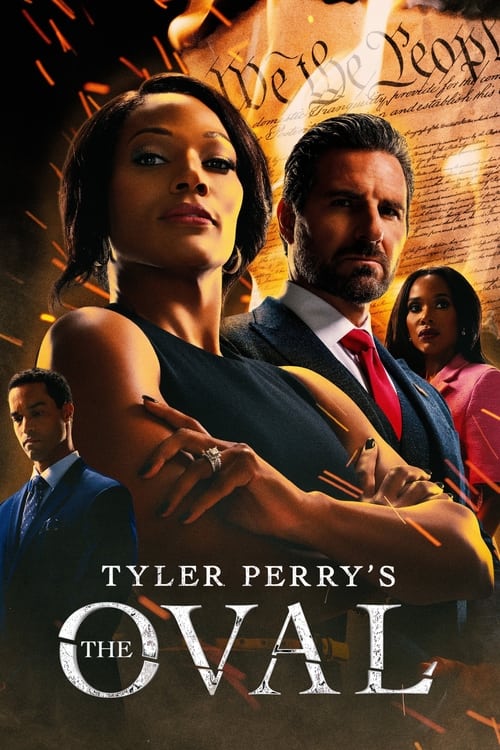
In the opening of Season 4 of "Tyler Perry's The Oval," the tension is palpable as the aftermath of the previous season's events unfolds. The President, Hunter Franklin, is grappling with the fallout from his controversial decisions, particularly regarding his relationship with his wife, Victoria. Victoria, feeling betrayed and angry, is determined to regain control and assert her power within the White House. She begins to plot her next moves, seeking to undermine Hunter's authority while also dealing with her own insecurities.
Meanwhile, the First Lady's relationship with her son, Jason, becomes increasingly strained. Jason, who has been struggling with his own demons, is caught in a web of manipulation and deceit. He feels isolated and misunderstood, leading him to act out in dangerous ways. His actions create a ripple effect, impacting the dynamics within the Franklin family and the staff at the White House.
As the season progresses, we see the introduction of new characters who add complexity to the existing narrative. One such character is a new Chief of Staff, who arrives with a hidden agenda. This character quickly becomes a key player in the political machinations of the Oval Office, creating alliances and rivalries that shift the balance of power. The tension between the staff members escalates as they navigate their loyalties and ambitions.
In a pivotal scene, a confrontation occurs between Victoria and Hunter in the Oval Office. Victoria confronts Hunter about his infidelity and the state of their marriage. The argument escalates, revealing deep-seated resentments and vulnerabilities. Hunter attempts to assert his dominance, but Victoria counters with her own brand of emotional manipulation, leaving Hunter feeling cornered and defensive.
Simultaneously, the subplot involving the Secret Service agents unfolds. They are tasked with protecting the First Family, but their personal lives begin to intertwine with their professional duties. One agent, who has developed feelings for a staff member, faces a moral dilemma when he must choose between his duty and his heart. This subplot adds layers of tension and drama, as the agents navigate their responsibilities while dealing with their own personal conflicts.
As the season reaches its midpoint, a shocking twist occurs when a scandal involving the President is leaked to the press. This revelation sends shockwaves through the White House, forcing Hunter and Victoria to scramble to contain the damage. The media frenzy intensifies, and the couple must navigate the fallout while trying to maintain their public image. The pressure mounts as they face scrutiny from both the public and their political rivals.
In the latter half of the season, the stakes are raised even higher when a major character is revealed to be working against the Franklins. This betrayal sends shockwaves through the administration, leading to a series of confrontations and power plays. The tension culminates in a dramatic showdown where alliances are tested, and true loyalties are revealed.
The season concludes with a cliffhanger that leaves viewers on the edge of their seats. A critical decision made by Hunter has far-reaching consequences, setting the stage for the next season. The emotional turmoil among the characters reaches a boiling point, and the future of the Franklin family and their administration hangs in the balance. The final scenes are filled with suspense, as the characters grapple with their choices and the uncertain path ahead.








What is the ending?
In the ending of Tyler Perry's The Oval, Season 4, several key characters face dramatic confrontations and revelations. The season culminates in a tense standoff involving the President, his family, and various staff members, leading to significant consequences for their relationships and futures.
As the final episode unfolds, we see the President, Hunter Franklin, grappling with the fallout of his decisions and the chaos surrounding his administration. His wife, Victoria, continues to manipulate situations to maintain her power, while their son, Jason, struggles with his own dark impulses. Meanwhile, characters like Richard and Nancy face their own trials, dealing with the repercussions of their past actions and the impact on their family.
In the climax, the tension reaches a boiling point, resulting in confrontations that will change the dynamics of the characters' relationships forever. The season ends with unresolved issues, leaving viewers questioning the future of the Oval Office and the characters involved.
As the final episode of Season 4 begins, the atmosphere in the White House is thick with tension. The camera pans through the opulent halls, capturing the stark contrast between the grandeur of the setting and the turmoil brewing within. Hunter Franklin, the President, is seen pacing in his office, his brow furrowed with worry. He is acutely aware of the mounting pressure from both the public and his own family, particularly from his wife, Victoria, who is known for her ruthless ambition.
In the next scene, Victoria is in the kitchen, preparing a meal with a cold, calculating demeanor. She speaks with her son, Jason, who is increasingly erratic and dangerous. Their conversation reveals Jason's growing instability, and Victoria's attempts to control him only exacerbate the situation. The tension between mother and son is palpable, as Jason's dark tendencies surface, hinting at the potential for violence.
Meanwhile, Richard and Nancy, who have been central to the narrative throughout the season, are dealing with their own challenges. Richard is shown in a moment of reflection, contemplating the sacrifices he has made for his family. Nancy, on the other hand, is portrayed as a pillar of strength, trying to hold her family together amidst the chaos. Their love for each other is evident, but the strain of the political turmoil weighs heavily on them.
As the episode progresses, the characters converge in the Oval Office for a critical meeting. The tension is electric as Hunter attempts to assert his authority, but Victoria's manipulative nature comes to the forefront. She challenges Hunter, revealing secrets that threaten to unravel their already fragile marriage. The dialogue is sharp, filled with accusations and revelations that expose the cracks in their relationship.
In a pivotal moment, Jason enters the room, and the atmosphere shifts dramatically. His unpredictable behavior escalates the conflict, leading to a confrontation that leaves everyone on edge. The camera captures the fear in the eyes of the characters as they realize the extent of Jason's instability. The stakes are raised, and the audience can feel the impending danger.
As the episode nears its conclusion, the characters are forced to confront their choices. Hunter's leadership is called into question, and the loyalty of those around him is tested. Richard and Nancy find themselves caught in the crossfire, struggling to protect their family while navigating the treacherous waters of political intrigue.
The final scenes are a whirlwind of emotions, with characters making desperate choices that will have lasting consequences. The episode ends on a cliffhanger, leaving viewers with a sense of uncertainty about the fate of the characters. Hunter's presidency hangs in the balance, Victoria's ambitions remain unchecked, and Jason's future is shrouded in darkness.
As the credits roll, the audience is left to ponder the complex web of relationships and the moral dilemmas faced by each character. The season concludes with a powerful reminder of the personal and political stakes involved in the lives of those within the Oval Office, setting the stage for future conflicts and resolutions.
Is there a post-credit scene?
In Season 4 of Tyler Perry's The Oval, there is no post-credit scene. The episodes conclude without any additional scenes after the credits roll. The focus remains on the unfolding drama and character developments throughout the episodes, leaving viewers to reflect on the intense storylines and cliffhangers presented during the main content. Each episode wraps up with a sense of anticipation for the next, but there are no extra scenes to extend the narrative beyond the credits.
What are the main conflicts between the characters in Season 4 of The Oval?
In Season 4 of The Oval, the main conflicts revolve around the power struggles within the White House, particularly between the First Family and the staff. The tension escalates as characters like President Hunter Franklin and his wife, Victoria, navigate their tumultuous relationship, while also dealing with the manipulative actions of characters like Eli and Dale. The internal conflicts among the staff, especially with characters like Priscilla and Sam, add layers to the drama as they confront their loyalties and personal dilemmas.
How does Victoria Franklin's character evolve in Season 4?
Victoria Franklin's character in Season 4 becomes increasingly ruthless and manipulative. Her desire for power drives her to make questionable decisions, including using her influence to undermine her husband, President Hunter Franklin. As the season progresses, her emotional state becomes more volatile, revealing her insecurities and fears about losing control. This evolution is marked by her confrontations with other characters, showcasing her determination to maintain her position at any cost.
What role does the character of Priscilla play in the events of Season 4?
Priscilla serves as a moral compass in Season 4, often caught between her duties as the First Lady's Chief of Staff and her personal convictions. Her character grapples with the ethical dilemmas posed by the corrupt environment of the White House. As she uncovers secrets and faces betrayals, Priscilla's internal struggle intensifies, leading her to make bold decisions that challenge the status quo and put her at odds with both the First Family and her colleagues.
What are the significant plot twists involving the character of Eli in Season 4?
Eli's character experiences significant plot twists in Season 4 as he navigates his dual role as a trusted advisor and a manipulator. His hidden agendas come to light, revealing his connections to various power players outside the White House. Eli's actions lead to unexpected betrayals, particularly affecting his relationships with other key characters, including Victoria and Hunter. These twists create a ripple effect, altering alliances and escalating the tension within the White House.
How does the relationship between Hunter and Victoria Franklin change throughout Season 4?
The relationship between Hunter and Victoria Franklin undergoes a dramatic transformation in Season 4. Initially, they present a united front, but as the season progresses, their differences become more pronounced. Hunter's desire for a more compassionate approach to leadership clashes with Victoria's ruthless ambition. This conflict leads to heated arguments and emotional confrontations, revealing deep-seated resentments and insecurities. Their marriage becomes a battleground for power, ultimately testing their loyalty to each other and their individual ambitions.
Is this family friendly?
"Tyler Perry's The Oval" Season 4 contains several themes and scenes that may not be suitable for children or sensitive viewers. Here are some potentially objectionable aspects:
-
Violence: The show includes scenes of physical altercations and threats, which may be intense and unsettling for younger audiences.
-
Mature Themes: The narrative explores complex adult themes such as power struggles, betrayal, and infidelity, which may be difficult for children to understand.
-
Sexual Content: There are instances of sexual situations and suggestive dialogue that may not be appropriate for younger viewers.
-
Emotional Turmoil: Characters often experience intense emotional conflicts, including anger, jealousy, and despair, which could be distressing for sensitive individuals.
-
Substance Abuse: There are references to alcohol and drug use, which may not be suitable for all audiences.
These elements contribute to a mature viewing experience, making it less family-friendly.









