










Popular
What are the main conflicts between the characters in the White House during Season 3?
How does Victoria Franklin's character evolve in Season 3?
What role does the character of Barry play in the events of Season 3?
How does the relationship between Priscilla and Sam develop throughout Season 3?
What significant events occur involving the Vice President in Season 3?
Should I watch it?
Ask Your Own Question

What is the plot?
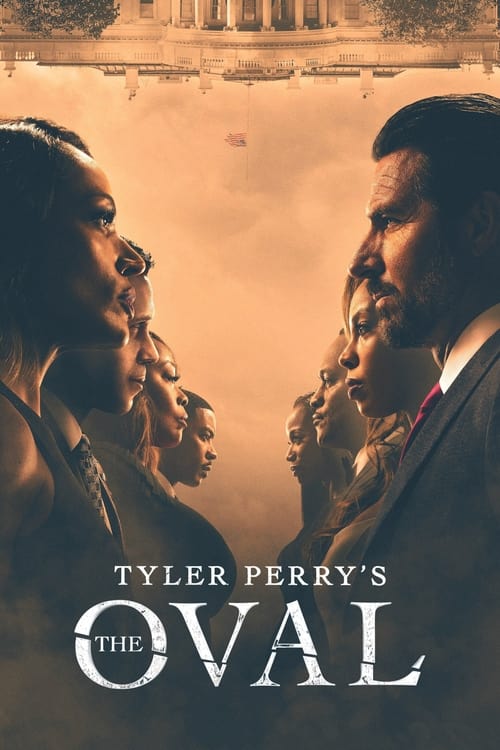
In the opening of Season 3 of "Tyler Perry's The Oval," the tension is palpable as the aftermath of the previous season's events unfolds. The President, Hunter Franklin, is grappling with the fallout from his actions, particularly concerning his affair with Victoria, his wife, who is also the First Lady. Victoria is portrayed as cold and calculating, and she is determined to maintain her power and control over the White House. She is seen plotting her next move, aware of the political games at play.
Meanwhile, the Vice President, Eli, is introduced as a character who is increasingly wary of Hunter's decisions. He is concerned about the implications of Hunter's leadership and the potential for scandal. Eli's internal conflict is evident as he balances his loyalty to the President with his own ambitions. He begins to strategize on how to position himself favorably in the political landscape.
As the story progresses, we see a significant focus on the staff within the White House. Priscilla, the Chief of Staff, is dealing with her own personal issues, particularly her strained marriage with Sam. Their relationship is tested as Priscilla uncovers more secrets about Sam's involvement with the First Family. The emotional turmoil she experiences is depicted through her interactions with other staff members, showcasing her frustration and determination to protect her own interests.
In a pivotal scene, Victoria confronts Hunter about his infidelity. The confrontation is heated, filled with accusations and emotional outbursts. Hunter attempts to justify his actions, but Victoria's icy demeanor reveals her resolve to not only punish him but also to use the situation to her advantage. This confrontation sets the stage for a power struggle between the couple, with Victoria plotting to undermine Hunter's authority.
Simultaneously, the subplot involving the Secret Service agents, particularly Jason, Hunter and Victoria's son, becomes more pronounced. Jason's erratic behavior raises concerns among the agents, and his actions hint at deeper psychological issues. His interactions with other characters, including his parents, reveal a troubled young man who is struggling with his identity and the expectations placed upon him.
As the season unfolds, the tension escalates with the introduction of new characters, including a rival political figure who poses a threat to Hunter's presidency. This character's motivations are shrouded in mystery, and their presence adds a layer of intrigue to the political landscape. The rivalry intensifies, leading to strategic maneuvers and alliances forming within the White House.
In a dramatic twist, Priscilla discovers a hidden agenda that could jeopardize the entire administration. Her decision to confront Hunter and Victoria about this information leads to a series of confrontations that shake the foundation of their power. The stakes are raised as Priscilla realizes the extent of the corruption and deceit surrounding her.
The season also delves into the personal lives of the characters, particularly focusing on the relationships between the staff. The dynamics between characters like Dale, who is navigating his own challenges, and other staff members create a rich tapestry of interpersonal drama. Their struggles and triumphs are interwoven with the larger political narrative, adding depth to the story.
As the season progresses, the tension culminates in a series of explosive confrontations. The characters are forced to make critical decisions that will impact their futures. Hunter's leadership is challenged, and Victoria's manipulations come to a head as she attempts to solidify her power. The emotional stakes are high, with characters facing moral dilemmas and the consequences of their actions.
In the final episodes of the season, the political landscape shifts dramatically. Alliances are tested, and betrayals come to light. The culmination of the season's events leads to a cliffhanger that leaves viewers questioning the fate of the characters and the future of the presidency. The intricate web of relationships, power struggles, and personal conflicts sets the stage for an intense continuation of the story in future seasons.









What is the ending?
In the ending of Tyler Perry's The Oval, Season 3, several key characters face dramatic confrontations and revelations. The season culminates in a tense standoff involving the President, his family, and various staff members, leading to significant consequences for their relationships and futures.
As the season draws to a close, the tension escalates within the White House. The President, Hunter Franklin, grapples with the fallout from his decisions, particularly regarding his affair with Victoria, his wife, who is also the First Lady. Victoria's manipulative nature comes to the forefront as she seeks to maintain her power and control over the situation, leading to a confrontation with Hunter that reveals the cracks in their marriage.
Meanwhile, the character of Richard Hallsen, the Chief of Staff, finds himself caught in the crossfire of the political machinations and personal vendettas that have been brewing throughout the season. His loyalty is tested as he navigates the treacherous waters of the Oval Office, ultimately leading to a pivotal moment where he must choose between his principles and his position.
The season ends with a shocking twist involving the character of Priscilla, who has been a steadfast ally to Richard. Her journey takes a dark turn as she confronts the reality of her situation, leading to a dramatic decision that impacts her future and those around her.
In the final scenes, the characters are left to grapple with the consequences of their actions, setting the stage for potential conflicts and resolutions in the next season.
As the final episode of Season 3 unfolds, the atmosphere in the White House is thick with tension. The camera pans through the opulent halls, capturing the stark contrast between the grandeur of the setting and the turmoil brewing within.
Scene 1: The Oval Office Hunter Franklin sits at his desk, his face a mask of frustration and anxiety. He stares at the documents before him, the weight of his decisions pressing heavily on his shoulders. The door swings open, and Victoria enters, her demeanor icy. She confronts Hunter about his infidelity, her voice dripping with disdain. The argument escalates, revealing the deep-seated issues in their marriage. Hunter's anger simmers as he accuses Victoria of being manipulative, while she counters with accusations of his incompetence. The scene is charged with emotion, showcasing their toxic relationship.
Scene 2: The Chief of Staff's Office Richard Hallsen is on the phone, his brow furrowed in concentration. He is trying to manage the fallout from the President's actions, but the pressure is mounting. As he hangs up, Priscilla enters, her expression serious. She expresses her concerns about the direction the administration is heading, and Richard reassures her, though his own doubts are evident. Their conversation reveals the bond they share, built on trust and loyalty, but also foreshadows the challenges they will face.
Scene 3: Confrontation in the Hallway As Richard and Priscilla leave the office, they encounter Victoria, who is flanked by her loyal aides. The tension is palpable as Victoria makes a veiled threat towards Priscilla, reminding her of the power dynamics at play. Richard steps in, defending Priscilla, which only angers Victoria further. The confrontation highlights the precarious position of each character, caught between personal loyalties and the ruthless political landscape.
Scene 4: The Final Showdown The climax occurs in the Oval Office, where all the main characters converge. Hunter, Victoria, Richard, and Priscilla face off, each revealing their true motivations and desires. Hunter attempts to assert his authority, but Victoria undermines him at every turn, showcasing her desire for control. Richard stands firm, advocating for transparency and integrity, while Priscilla's emotional turmoil comes to a head as she confronts the reality of her situation. The dialogue is sharp and revealing, with each character's vulnerabilities laid bare.
Scene 5: The Aftermath As the dust settles, the characters are left to deal with the consequences of their actions. Hunter and Victoria's marriage is on the brink of collapse, with both questioning their future together. Richard, having stood up for his principles, faces potential repercussions from the administration. Priscilla, feeling the weight of her choices, must decide whether to continue fighting for her beliefs or to retreat into the shadows.
The season concludes with a sense of uncertainty, leaving viewers eager to see how these characters will navigate the complex web of power, loyalty, and betrayal in the seasons to come. Each character's fate hangs in the balance, setting the stage for further conflict and development in the narrative.
Is there a post-credit scene?
In Season 3 of Tyler Perry's The Oval, there is no post-credit scene. The episodes conclude without any additional scenes or teasers after the credits roll. The focus remains on the unfolding drama and character developments throughout the episodes, leaving viewers to reflect on the intense storylines and cliffhangers presented during the main content. Each episode wraps up with a sense of anticipation for the next, but there are no extra scenes to extend the narrative beyond the credits.
What are the main conflicts between the characters in the White House during Season 3?
In Season 3 of Tyler Perry's The Oval, the main conflicts revolve around power struggles, betrayal, and personal vendettas among the characters. The President, Hunter Franklin, faces increasing pressure from his wife, Victoria, who is determined to maintain her grip on power and control over the First Family. Meanwhile, the staff, including characters like Priscilla and Sam, navigate their own challenges as they deal with the fallout from previous seasons, including secrets and lies that threaten to unravel their lives.
How does Victoria Franklin's character evolve in Season 3?
Victoria Franklin's character in Season 3 becomes increasingly ruthless and manipulative. Her desire for power leads her to make dangerous alliances and take drastic actions against those who oppose her. She is emotionally volatile, often lashing out at her husband, Hunter, and the staff, revealing her insecurities and fears about losing her status. This season showcases her as a formidable antagonist, willing to go to great lengths to protect her position.
What role does the character of Barry play in the events of Season 3?
Barry, the son of the Franklin family, finds himself in a precarious situation in Season 3. His character grapples with the consequences of his family's actions and the secrets that have been kept from him. As he seeks to uncover the truth about his past and his family's involvement in various scandals, Barry's emotional turmoil drives him to make choices that put him at odds with both his parents and the White House staff, leading to intense confrontations.
How does the relationship between Priscilla and Sam develop throughout Season 3?
Throughout Season 3, the relationship between Priscilla and Sam is tested by external pressures and personal struggles. Priscilla, who is dealing with the fallout from her husband's infidelity, finds herself torn between her love for Sam and her loyalty to her marriage. Sam, on the other hand, is determined to support Priscilla while also navigating his own complicated feelings about his role in the White House. Their relationship is marked by moments of tenderness and conflict, as they both confront their pasts and the challenges of their current circumstances.
What significant events occur involving the Vice President in Season 3?
In Season 3, the Vice President plays a crucial role in the political dynamics of the White House. He becomes increasingly involved in the power struggles, often clashing with Hunter and Victoria. Significant events include his attempts to undermine Hunter's authority and his secret dealings with other characters, which create tension and uncertainty. The Vice President's ambitions and moral dilemmas are explored, revealing his complex motivations and the lengths he is willing to go to secure his position.
Is this family friendly?
"Tyler Perry's The Oval" Season 3 contains several themes and scenes that may not be suitable for children or sensitive viewers. Here are some potentially objectionable aspects:
-
Violence: The show includes scenes of physical altercations and threats, which may be intense and unsettling for younger audiences.
-
Mature Themes: The narrative explores complex adult themes such as infidelity, betrayal, and power struggles, which may be difficult for children to understand.
-
Sexual Content: There are instances of sexual situations and suggestive dialogue that may not be appropriate for younger viewers.
-
Emotional Turmoil: Characters often experience intense emotional conflicts, including anger, jealousy, and despair, which could be distressing for sensitive individuals.
-
Substance Abuse: There are references to alcohol and drug use, which may not be suitable for all audiences.
These elements contribute to a mature tone that may not align with family-friendly viewing.









