

















Popular
What is the significance of the Hwarang group in the story?
How does the relationship between Ahn Ji-gong and Kim Sun-woo develop throughout the series?
What role does the character of Kim Ji-soo play in the dynamics of the Hwarang group?
What are the main conflicts faced by the Hwarang members throughout the series?
How does the character of King Jinheung influence the story and the Hwarang group?
Should I watch it?
Ask Your Own Question

What is the plot?
In the kingdom of Silla, the story begins with the introduction of a young boy named Kim Sun-woo, who witnesses the brutal murder of his father, a nobleman, by the king's men. This traumatic event shapes Sun-woo's life, leading him to live in hiding with his mother. Years later, Sun-woo, now a young man, is determined to seek revenge against the king and his regime. He disguises himself as a commoner and enters the capital city, where he encounters a group of young men who are part of the Hwarang, an elite group of warriors.
Sun-woo's journey leads him to meet the charismatic and noble leader of the Hwarang, Park Seo-joon, who is also known as the "Flower Knights." Seo-joon is a skilled fighter and has a strong sense of justice. Sun-woo is drawn to the Hwarang's ideals and decides to join them, hoping to gain the strength and influence needed to avenge his father's death. As he integrates into the group, he adopts the name "Kim Ji-dwi," concealing his true identity.
The Hwarang members undergo rigorous training, showcasing their skills in martial arts, poetry, and philosophy. Sun-woo struggles to fit in at first but gradually earns the respect of his peers, including the fierce and competitive Ahn Ji-gong and the kind-hearted and loyal Kim Soo-ho. The camaraderie among the Hwarang is palpable, and they share moments of joy and rivalry, bonding over their shared experiences.
As the story progresses, Sun-woo develops feelings for the beautiful and spirited woman named Kim Ah-ro, who is the sister of one of the Hwarang members. Ah-ro is a strong-willed character who challenges societal norms and becomes a source of inspiration for Sun-woo. Their relationship deepens, but it is complicated by Sun-woo's hidden identity and his quest for revenge.
Tensions rise when the political landscape of Silla becomes increasingly unstable. The king's rule is challenged by a powerful nobleman, and the Hwarang find themselves caught in the middle of a brewing conflict. Sun-woo's loyalty to his friends and his desire for vengeance create an internal struggle, as he grapples with the consequences of his actions.
In a pivotal moment, the Hwarang are tasked with protecting the king during a public event. Sun-woo's true identity is at risk of being exposed, and he must navigate the dangerous waters of court politics while maintaining his cover. During the event, an assassination attempt is made on the king, and the Hwarang spring into action, showcasing their skills in a dramatic fight sequence. Sun-woo's bravery and quick thinking save the king, but the incident further complicates his relationship with Ah-ro, who is unaware of his true motives.
As the plot unfolds, Sun-woo learns more about the circumstances surrounding his father's death and the corruption within the royal court. He discovers that the nobleman who killed his father is closely tied to the king, forcing him to confront the reality of his quest for revenge. This revelation leads to a turning point in Sun-woo's character, as he begins to question whether vengeance is worth the cost of his friendships and the love he has for Ah-ro.
The climax of the story occurs when Sun-woo decides to confront the nobleman responsible for his father's death. He gathers the Hwarang for support, and they devise a plan to infiltrate the nobleman's stronghold. The sequence is filled with tension as they face numerous obstacles, including guards and traps set to protect the nobleman. Each member of the Hwarang plays a crucial role, showcasing their unique skills and teamwork.
In a dramatic confrontation, Sun-woo finally faces the nobleman. The fight is intense, filled with emotional stakes as Sun-woo channels his anger and pain into his combat. The battle culminates in a moment of reckoning, where Sun-woo must decide whether to kill the nobleman or spare him. In a surprising twist, Sun-woo chooses mercy, realizing that revenge will not bring him peace. This decision marks a significant shift in his character, as he embraces the values of the Hwarang and the bonds he has formed with his friends.
The aftermath of the confrontation leads to a resolution of the political turmoil in Silla. The Hwarang, now recognized for their bravery and loyalty, become instrumental in restoring order to the kingdom. Sun-woo's relationship with Ah-ro deepens, as they both come to terms with their pasts and look toward a hopeful future together.
In the final scenes, the Hwarang stand united, ready to face whatever challenges lie ahead. Sun-woo, having found a new purpose, embraces his identity as a warrior and a protector of Silla, leaving behind the desire for revenge and stepping into a role that honors his father's memory. The series concludes with a sense of camaraderie and hope, as the Hwarang prepare to embark on new adventures, embodying the spirit of youth, friendship, and honor.
More TV Shows Like This
Browse All TV Shows →







What is the ending?
In the ending of "Hwarang: The Poet Warrior Youth," the story culminates in a series of intense confrontations and emotional resolutions. The main characters face their destinies as they navigate love, loyalty, and the burdens of their roles in the kingdom of Silla. The series concludes with the Hwarang warriors solidifying their bonds and stepping into their futures, while the political landscape of Silla remains fraught with tension.
As the final episodes unfold, the tension between the factions in Silla escalates. The Hwarang, led by the brave and noble Sun Woo, confront the threats posed by the rival factions and the internal strife within the kingdom. Sun Woo's love for Aro, the spirited and kind-hearted woman who has captured his heart, becomes a focal point of his motivations. Their relationship deepens, showcasing the emotional stakes involved as they navigate the dangers surrounding them.
In a pivotal scene, the Hwarang warriors band together to protect their kingdom from the impending threat of war. They demonstrate their loyalty and courage, fighting valiantly against the enemies that seek to destabilize Silla. The camaraderie among the Hwarang is palpable, as they rely on each other's strengths and support one another in battle. Each warrior faces their own fears and doubts, but they find strength in their unity.
As the conflict reaches its climax, Sun Woo confronts the antagonist, who embodies the corruption and betrayal that threaten Silla. This confrontation is not just a physical battle but also a clash of ideals, as Sun Woo fights not only for his life but for the future of the kingdom and the people he loves. The stakes are high, and the emotional weight of the moment is felt deeply by both the characters and the audience.
In the aftermath of the battle, the Hwarang emerge victorious, but not without loss. The sacrifices made by the warriors resonate throughout the kingdom, highlighting the cost of their fight for peace and justice. Sun Woo and Aro share a poignant moment, acknowledging the trials they have faced together and the love that has blossomed amidst the chaos. Their relationship symbolizes hope and resilience, as they look toward a future filled with uncertainty but also with promise.
The series concludes with a sense of closure for the main characters. Sun Woo, having proven himself as a true warrior and leader, embraces his role in shaping the future of Silla. Aro, who has been a source of strength for Sun Woo, finds her place alongside him, ready to support him in his endeavors. The other Hwarang warriors, each having grown through their experiences, also step into their own paths, united by the bonds they have forged.
In the final scenes, the camera pans over the kingdom of Silla, now at peace, as the Hwarang stand together, embodying the spirit of loyalty, bravery, and love that has defined their journey. The ending leaves viewers with a sense of hope, emphasizing the importance of friendship and the enduring spirit of youth in the face of adversity.
Is there a post-credit scene?
In "Hwarang: The Poet Warrior Youth," there is no post-credit scene. The series concludes with its final episode, wrapping up the storylines of the main characters without any additional scenes after the credits. The focus remains on the resolution of the relationships and the fates of the Hwarang warriors, particularly the growth and development of characters like Sun Woo, Aro, and the other members of the Hwarang group. The ending emphasizes themes of friendship, love, and the pursuit of honor, leaving viewers with a sense of closure.
What is the significance of the Hwarang group in the story?
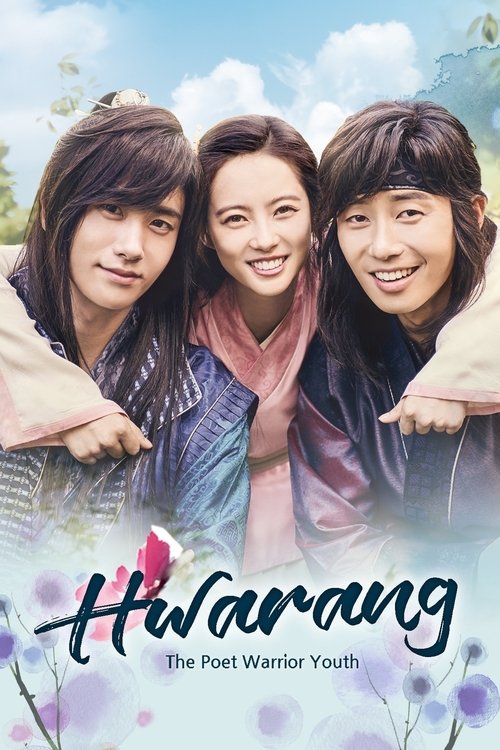
The Hwarang group, a prestigious youth organization in the Silla Kingdom, serves as a central element in 'Hwarang: The Poet Warrior Youth.' It represents the ideals of honor, loyalty, and camaraderie among young men. The members, including the protagonist Ahn Ji-gong (played by Park Seo-joon), are trained in martial arts, poetry, and philosophy, which shapes their identities and destinies. The group's formation is pivotal as it sets the stage for the characters' personal growth and the political intrigues of the time.
How does the relationship between Ahn Ji-gong and Kim Sun-woo develop throughout the series?
Ahn Ji-gong, who initially hides his identity as a nobleman, forms a complex bond with Kim Sun-woo (played by Park Hyung-sik), who is a commoner with a tragic past. Their relationship evolves from initial rivalry and misunderstandings to deep friendship and mutual respect. As they face various challenges together, including romantic entanglements and political conspiracies, their loyalty to each other strengthens, showcasing themes of brotherhood and sacrifice.
What role does the character of Kim Ji-soo play in the dynamics of the Hwarang group?
Kim Ji-soo (played by Go Ara) is a pivotal character who adds emotional depth to the narrative. As the only female character in the Hwarang group, she navigates her feelings for both Ahn Ji-gong and Kim Sun-woo, creating a love triangle that complicates the friendships among the Hwarang members. Her presence challenges traditional gender roles and highlights the struggles of women in a patriarchal society, as she seeks to assert her independence while also being drawn into the conflicts surrounding the Hwarang.
What are the main conflicts faced by the Hwarang members throughout the series?
The Hwarang members face numerous conflicts, both external and internal. Externally, they contend with political strife, including power struggles within the Silla court, threats from rival kingdoms, and the looming danger of war. Internally, they grapple with personal issues such as identity, loyalty, and the pressures of their roles as warriors and leaders. These conflicts drive the narrative forward, forcing the characters to confront their values and make difficult choices that impact their futures.
How does the character of King Jinheung influence the story and the Hwarang group?
King Jinheung (played by Park Hyung-sik) is a crucial figure in 'Hwarang: The Poet Warrior Youth,' as he embodies the ideals of leadership and vision for a united Silla. His relationship with the Hwarang group is multifaceted; he sees them as both a source of strength and a potential threat to his authority. His struggles to maintain power while fostering the growth of the Hwarang reflect the broader themes of loyalty and ambition, as he navigates the treacherous waters of court politics and personal relationships.
Is this family friendly?
"Hwarang: The Poet Warrior Youth" is generally considered suitable for a family audience, but it does contain some elements that may be objectionable or upsetting for children or sensitive viewers. Here are a few aspects to be aware of:
-
Violence and Combat: The series features several scenes of sword fighting and battles, which may be intense for younger viewers. The portrayal of injuries and the consequences of war can be graphic at times.
-
Romantic Tension: There are romantic subplots that include moments of jealousy, unrequited love, and emotional turmoil. Some scenes may depict romantic interactions that could be considered mature.
-
Political Intrigue: The show delves into themes of betrayal, power struggles, and political manipulation, which may be complex and potentially distressing for younger audiences to understand.
-
Death and Loss: Characters face significant challenges, including loss and the threat of death, which can evoke strong emotional responses.
-
Social Hierarchies and Class Issues: The series explores themes of class disparity and societal expectations, which may be heavy for younger viewers to process.
While the show has a rich narrative and character development, these elements may require parental guidance for younger audiences.