

















Popular
What are the main challenges faced by Sultan Abdulhamid II during his reign in the series?
How does Abdulhamid II's relationship with his family influence his decisions as a ruler?
What role does the character of Midhat Pasha play in the series?
How does the series depict the relationship between Abdulhamid II and the European powers?
What is the significance of the character of Zeynep in Abdulhamid II's life?
Should I watch it?
Ask Your Own Question

What is the plot?
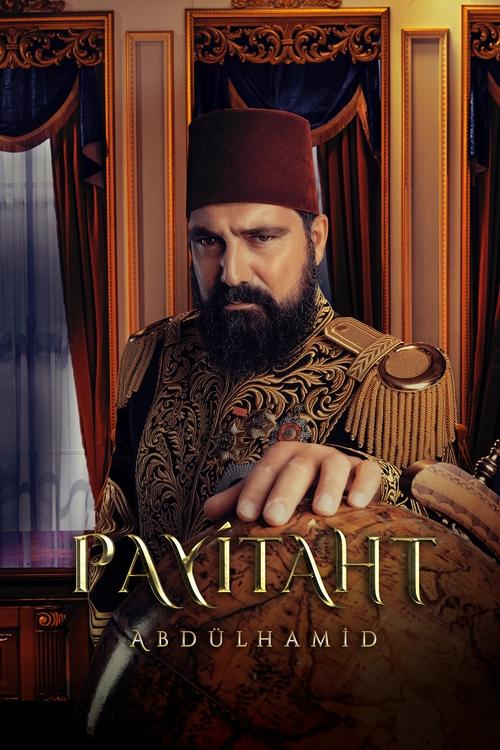
In the late 19th century, the series "Payitaht: Abdulhamid" opens with Sultan Abdulhamid II, who is portrayed as a deeply concerned ruler facing numerous threats to the Ottoman Empire. The political landscape is fraught with internal dissent and external pressures from European powers. Abdulhamid is determined to maintain the integrity of his empire while navigating the treacherous waters of diplomacy and espionage.
The story begins with Abdulhamid receiving intelligence about a conspiracy against him, orchestrated by the Young Turks, a group advocating for reform and modernization. The Sultan's trusted advisor, Sadık Pasha, informs him of the growing unrest among the populace and the potential for a coup. Abdulhamid's paranoia about betrayal intensifies, leading him to take drastic measures to secure his position.
As the plot unfolds, Abdulhamid's relationship with his family is explored. His wife, Bidar Sultan, is depicted as a strong and supportive figure, while his daughters, especially the spirited and independent Aydan, represent the changing roles of women in society. Aydan's desire for freedom and her progressive views often clash with the traditional expectations of the palace.
The narrative shifts to the Young Turks, particularly focusing on key figures like Enver Pasha and Talat Pasha, who are plotting to overthrow Abdulhamid. They are shown rallying support among the military and intellectuals, emphasizing their vision for a modern Turkey. Their clandestine meetings are filled with fervor and ambition, showcasing their determination to bring about change.
In a pivotal scene, Abdulhamid learns of a planned assassination attempt against him. He orders a thorough investigation, leading to the arrest of several conspirators. This act of decisiveness reinforces his image as a ruler willing to protect his throne at all costs. However, the tension escalates as the Young Turks become more organized and bold in their actions.
The series delves into the Sultan's use of espionage, employing his network of spies to gather information on his enemies. One of his most trusted spies, the cunning and resourceful Ziya, infiltrates the ranks of the Young Turks, providing Abdulhamid with crucial insights into their plans. Ziya's dual loyalty creates a complex dynamic, as he grapples with his own beliefs about the future of the empire.
As the political intrigue deepens, the Sultan faces personal challenges as well. His health begins to deteriorate, and he struggles with the weight of his responsibilities. The emotional toll of leadership is palpable, as he reflects on the sacrifices he has made for his country and the isolation that comes with power.
The tension reaches a climax when the Young Turks launch their coup. They seize control of key military installations and declare a revolution. Abdulhamid, aware of the impending danger, prepares to defend his reign. In a dramatic confrontation, he gathers loyal soldiers and strategizes a counterattack, showcasing his resolve to fight for his empire.
During the coup, a fierce battle ensues between the Sultan's loyalists and the Young Turks. The palace becomes a battleground, with gunfire echoing through the halls. Abdulhamid's determination is evident as he leads his men into the fray, embodying the spirit of a warrior king. The chaos of the conflict is vividly portrayed, with close-quarters combat and strategic maneuvers.
In the aftermath of the coup attempt, the Sultan's forces manage to repel the Young Turks, but the victory is bittersweet. The empire is left in turmoil, and Abdulhamid realizes that the threat to his rule is far from over. He begins to reassess his strategies, contemplating alliances and potential reforms to quell the unrest.
As the series progresses, Abdulhamid's character evolves. He becomes more introspective, grappling with the implications of his decisions. His interactions with his family reveal a softer side, as he seeks their counsel and support. The emotional stakes rise as he faces betrayal from those he once trusted, leading to a sense of isolation.
The political landscape continues to shift, with European powers eyeing the Ottoman Empire's decline. Abdulhamid's diplomatic efforts become increasingly crucial as he navigates the complexities of international relations. He engages in negotiations with foreign ambassadors, showcasing his skills as a statesman while trying to protect his empire's interests.
In a significant twist, a new character, the ambitious and cunning diplomat, is introduced. He seeks to manipulate the situation to his advantage, playing both sides against each other. His machinations add another layer of intrigue, as Abdulhamid must contend with not only the Young Turks but also external forces seeking to exploit the empire's vulnerabilities.
The series culminates in a dramatic showdown between Abdulhamid and the Young Turks, where the stakes are higher than ever. The Sultan's resolve is tested as he faces the possibility of losing everything he has fought for. The final episodes depict a series of strategic moves, betrayals, and unexpected alliances that ultimately lead to a climactic resolution.
In the end, Abdulhamid's reign is marked by both triumphs and tragedies. The series concludes with a poignant reflection on the legacy of his rule, leaving viewers with a sense of the complexities of leadership and the enduring struggle for power within the Ottoman Empire.









What is the ending?
In the ending of "Payitaht: Abdulhamid," Sultan Abdulhamid II faces betrayal and the culmination of his struggles against internal and external enemies. The series concludes with his deposition, as he is forced to abdicate the throne. The final scenes depict his emotional farewell to the palace and his loyal supporters, highlighting his resilience and commitment to his vision for the Ottoman Empire. The fate of key characters is revealed, with some remaining loyal to the Sultan while others align with the new regime.
As the final episodes of "Payitaht: Abdulhamid" unfold, the tension in the palace reaches a boiling point. The Sultan, portrayed with a mix of determination and sorrow, is acutely aware of the conspiracies brewing around him. The atmosphere is thick with betrayal, as trusted allies reveal their true intentions.
Scene 1: The Sultan's Council Chamber The camera pans over the ornate council chamber, where Abdulhamid II sits at the head of the table, flanked by his advisors. The weight of the empire rests heavily on his shoulders. He listens intently as they discuss the growing unrest among the populace and the threats posed by foreign powers. His expression is one of deep concern, reflecting his internal struggle to maintain control over a crumbling empire.
Scene 2: The Betrayal In a dimly lit corridor, whispers of betrayal echo. Key figures, once loyal to Abdulhamid, conspire with the Young Turks, plotting his downfall. The tension is palpable as they discuss their plans, their faces shadowed, symbolizing the darkness of their intentions. The Sultan, unaware of the full extent of the betrayal, continues to believe in the loyalty of those around him.
Scene 3: The Abdication The climax arrives when Abdulhamid is confronted by his enemies. In a grand hall, he stands before a gathering of officials and military leaders. The atmosphere is charged with anticipation. The Young Turks demand his abdication, presenting it as a necessity for the future of the empire. Abdulhamid, with a heavy heart, realizes that his time has come to an end. His voice trembles as he delivers a poignant speech, expressing his love for the empire and his hopes for its future. The camera captures the tears in his eyes, a testament to his emotional turmoil.
Scene 4: The Farewell In the final moments, Abdulhamid walks through the palace one last time. The opulent halls, once filled with the vibrancy of his reign, now feel empty and cold. He pauses to look at the portraits of his ancestors, reflecting on the weight of history and his legacy. His loyal supporters gather to bid him farewell, their faces a mix of sorrow and admiration. The Sultan embraces them, his heart heavy with the knowledge that he is leaving behind a fractured empire.
Scene 5: The Aftermath As Abdulhamid departs, the camera shifts to the new regime taking control. The Young Turks celebrate their victory, but the mood is somber, hinting at the challenges that lie ahead. The fate of the main characters is revealed: some, like the loyal advisor, remain in the shadows, while others are forced into exile or face dire consequences for their actions. The series closes with a poignant shot of Abdulhamid looking back at the palace, a symbol of his enduring spirit and the complexities of leadership.
In the end, "Payitaht: Abdulhamid" leaves viewers with a sense of unresolved tension, reflecting the tumultuous nature of political power and the sacrifices made by those who strive to protect their ideals. The characters' fates serve as a reminder of the fragility of loyalty and the harsh realities of betrayal.
Is there a post-credit scene?
In the TV show "Payitaht: Abdulhamid," there are no post-credit scenes. The series concludes its episodes without additional content after the credits. Each episode wraps up its narrative arcs and character developments within the main storyline, focusing on the political intrigue, personal struggles, and the historical context surrounding Sultan Abdulhamid II's reign. The emphasis remains on the unfolding drama and the challenges faced by the Sultan and his empire, rather than on teasing future events or providing additional scenes after the credits.
What are the main challenges faced by Sultan Abdulhamid II during his reign in the series?
Sultan Abdulhamid II faces numerous challenges throughout the series, including political conspiracies, threats from foreign powers, and internal dissent within the Ottoman Empire. He grapples with the rise of nationalism among various ethnic groups, particularly the Young Turks, who seek to undermine his authority. Additionally, he must navigate the complexities of diplomacy with European nations, all while trying to maintain the integrity of the empire and protect his subjects.
How does Abdulhamid II's relationship with his family influence his decisions as a ruler?
Abdulhamid II's relationship with his family plays a significant role in shaping his decisions. His deep love for his children and concern for their future often weigh heavily on him, leading him to make choices that prioritize their safety and well-being. The emotional turmoil he experiences due to the political dangers surrounding his family, especially regarding his daughters' marriages and his sons' education, adds layers to his character, showcasing his vulnerability amidst the pressures of leadership.
What role does the character of Midhat Pasha play in the series?
Midhat Pasha is portrayed as a key figure in the series, initially serving as a trusted advisor to Sultan Abdulhamid II. However, his ambitions and desire for reform lead him to become a significant antagonist. His involvement with the Young Turks and his push for constitutional reforms create a rift between him and the Sultan, ultimately leading to betrayal. Midhat's character embodies the conflict between tradition and modernity, representing the struggle for power within the empire.
How does the series depict the relationship between Abdulhamid II and the European powers?
The series illustrates a complex relationship between Abdulhamid II and European powers, characterized by both diplomacy and tension. The Sultan is shown as a shrewd leader who understands the importance of maintaining a delicate balance to protect the empire from colonial ambitions. He engages in strategic alliances and negotiations, often using intelligence and espionage to outmaneuver foreign threats. The portrayal of these interactions highlights the geopolitical struggles of the time and Abdulhamid's efforts to assert Ottoman sovereignty.
What is the significance of the character of Zeynep in Abdulhamid II's life?
Zeynep is a pivotal character in Abdulhamid II's life, representing both personal affection and political intrigue. As a woman of strong will and intelligence, she becomes a confidante and a source of emotional support for the Sultan. Her presence in the court challenges traditional gender roles, and her involvement in various plots showcases the influence women can wield in the political landscape. Zeynep's relationship with Abdulhamid II adds depth to his character, revealing his softer side and the personal sacrifices he makes for love and duty.
Is this family friendly?
"Payitaht: Abdulhamid" is a historical drama that delves into the life and reign of Sultan Abdulhamid II during the late Ottoman Empire. While the show is rich in historical context and character development, it does contain several elements that may be considered objectionable or upsetting for children or sensitive viewers.
-
Violence and Conflict: The series portrays various conflicts, including political intrigue, assassination attempts, and military confrontations. Scenes of violence, such as battles and the aftermath of attacks, may be intense.
-
Political Intrigue and Betrayal: The show features themes of betrayal, espionage, and manipulation, which can be complex and may be difficult for younger viewers to fully understand.
-
Emotional Turmoil: Characters often experience deep emotional struggles, including loss, betrayal, and the weight of leadership. These moments can be heavy and may evoke strong feelings.
-
Death and Mourning: The series includes scenes of death and mourning, which may be distressing for some viewers, particularly children.
-
Historical Context: The portrayal of historical events, including oppression and the challenges faced by the Ottoman Empire, may be unsettling for some audiences.
Overall, while "Payitaht: Abdulhamid" offers a rich narrative and historical insight, its themes and content may not be suitable for all children or sensitive viewers. Parental discretion is advised.