


Popular
What are some of the most memorable animal behaviors showcased in Blue Planet II?
How does the series depict the relationship between the ocean and climate change?
What specific challenges do sea turtles face in Blue Planet II?
What unique adaptations do deep-sea creatures exhibit in Blue Planet II?
How does Blue Planet II portray the social structures of dolphin pods?
Should I watch it?
Ask Your Own Question

What is the plot?
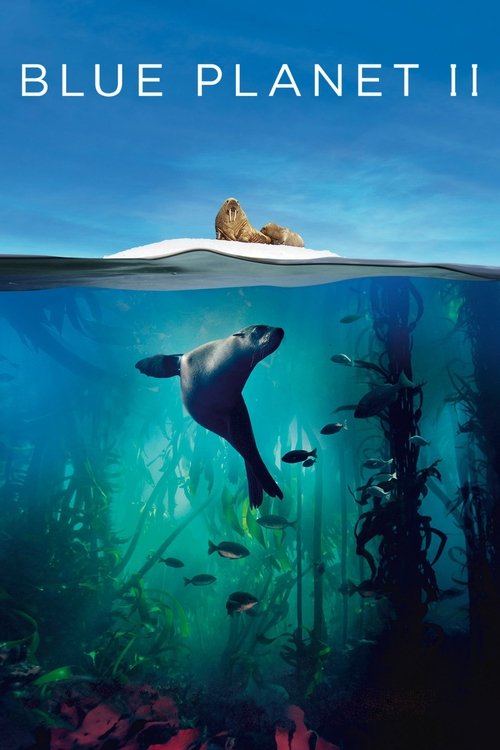
"Blue Planet II" is a documentary series that explores the world's oceans, showcasing the diverse marine life and ecosystems. The series is divided into seven episodes, each focusing on different aspects of ocean life.
The first episode, "One Ocean," opens with sweeping aerial shots of the vast oceans, highlighting their beauty and mystery. The narrative introduces the concept of the interconnectedness of all oceans, emphasizing how they are home to a myriad of species. The episode features stunning visuals of marine life, including the majestic blue whale, which is shown swimming gracefully through the water. The camera captures the whale's immense size and the way it interacts with its environment, feeding on tiny krill.
As the episode progresses, the focus shifts to the vibrant coral reefs. The audience witnesses the bustling life within these ecosystems, from colorful fish darting among the corals to the intricate relationships between species. The episode highlights the threats faced by these reefs, including climate change and pollution, showcasing the fragility of these underwater worlds.
In the second episode, "The Deep," the narrative delves into the mysterious depths of the ocean. The episode features deep-sea creatures, such as the anglerfish, which uses bioluminescence to attract prey. The camera captures the eerie beauty of the deep sea, with its dark waters and strange inhabitants. The episode also explores the challenges of exploring these depths, including the extreme pressure and darkness that make it difficult for humans to study these environments.
The third episode, "Coral Reefs," focuses specifically on the vibrant ecosystems of coral reefs. The audience is introduced to the symbiotic relationships between corals and the various species that inhabit them. The episode showcases the process of coral spawning, where corals release their eggs and sperm into the water, creating a spectacular underwater spectacle. However, the episode also addresses the threats to coral reefs, including bleaching events caused by rising sea temperatures.
In the fourth episode, "Big Birds," the narrative shifts to the relationship between marine life and seabirds. The episode highlights the hunting skills of various seabirds, such as the albatross and the puffin, showcasing their ability to dive and catch fish. The audience witnesses the challenges these birds face, including competition for food and the impact of climate change on their feeding grounds.
The fifth episode, "Green Seas," explores the rich biodiversity of kelp forests and seagrass meadows. The episode features the playful interactions of sea otters and the importance of these ecosystems for various marine species. The camera captures the vibrant life within these underwater forests, showcasing the intricate relationships between predators and prey.
In the sixth episode, "Coasts," the focus shifts to the dynamic environments found along coastlines. The episode highlights the diverse habitats, from rocky shores to sandy beaches, and the species that inhabit them. The audience witnesses the challenges faced by these ecosystems, including human encroachment and pollution.
The final episode, "Our Blue Planet," brings together the themes explored throughout the series. It emphasizes the importance of protecting the oceans and the life within them. The episode features inspiring stories of conservation efforts and the resilience of marine species. The series concludes with a call to action, urging viewers to appreciate and protect the oceans for future generations.
Throughout "Blue Planet II," the stunning visuals and emotional storytelling create a powerful narrative that showcases the beauty and fragility of the world's oceans. Each episode builds on the previous one, creating a comprehensive exploration of marine life and the challenges it faces.









What is the ending?
The ending of Blue Planet II showcases the interconnectedness of ocean life and the impact of human activity on marine ecosystems. The series concludes with a powerful reminder of the beauty and fragility of the oceans, urging viewers to protect these vital environments.
As the final episode unfolds, the narrative takes us through a series of breathtaking underwater scenes, highlighting the diverse marine life that inhabits the oceans. We witness the majestic migration of various species, including the graceful movements of dolphins and the vibrant colors of coral reefs. The camera captures the delicate balance of life in the ocean, showcasing both the wonders and the threats faced by these ecosystems.
In the closing moments, the series emphasizes the importance of conservation and the role humans play in safeguarding the future of the oceans. The imagery shifts to scenes of pollution and the impact of climate change, juxtaposed with the beauty of marine life. The episode ends on a hopeful note, encouraging viewers to take action to protect the oceans for future generations.
Now, let's delve into the ending in a more detailed, chronological narrative.
As the final episode begins, the screen fills with the vibrant colors of a coral reef, teeming with life. Schools of fish dart through the corals, their scales shimmering in the sunlight that filters down from the surface. The camera pans slowly, capturing the intricate details of the reef, from the tiny nudibranchs clinging to the coral to the larger predators lurking in the shadows. The narration speaks of the importance of these ecosystems, setting the stage for the emotional journey that lies ahead.
Transitioning from the reef, we follow a pod of dolphins as they engage in playful acrobatics, leaping gracefully out of the water. Their joy is palpable, and the viewer can almost feel the thrill of their movements. The narration highlights the intelligence and social bonds of these creatures, drawing attention to their complex behaviors and the deep connections they share with one another.
As the episode progresses, we are taken on a journey through the open ocean, where the vastness of the sea is both awe-inspiring and daunting. The camera captures the majesty of a blue whale gliding through the water, its sheer size dwarfing everything around it. The narration reflects on the whale's migratory patterns, emphasizing the long distances these creatures travel in search of food and breeding grounds.
However, the tone shifts as the narrative introduces the darker realities of ocean life. Scenes of plastic pollution and the devastating effects of climate change emerge, starkly contrasting with the earlier beauty. We see sea turtles struggling to navigate through a sea of plastic debris, their movements hindered by the very environment they depend on. The emotional weight of these images is palpable, evoking a sense of urgency and concern for the future of marine life.
As the episode nears its conclusion, the focus returns to the interconnectedness of all ocean life. The camera captures the delicate dance of predator and prey, illustrating the balance that sustains these ecosystems. The narration emphasizes the resilience of marine life, showcasing species that have adapted to survive in increasingly challenging conditions.
In the final moments, the series culminates in a powerful call to action. The imagery shifts to scenes of conservation efforts, highlighting the work being done to protect marine habitats and restore balance to the oceans. The narration encourages viewers to reflect on their own impact on the environment and to take steps toward preserving the beauty of the oceans.
As the screen fades to black, the series leaves viewers with a sense of hope and responsibility. The fate of the ocean's inhabitants remains intertwined with human actions, and the closing message resonates deeply: the future of the oceans is in our hands. The series ends, not with a definitive conclusion for individual characters, but with a collective call for awareness and change, urging everyone to become stewards of the sea.
Is there a post-credit scene?
Blue Planet II does not have a post-credit scene. The series concludes each episode with a reflective segment that often features a montage of the stunning visuals and highlights from the episode, accompanied by the soothing narration of Sir David Attenborough. These segments serve to encapsulate the themes explored throughout the episode, emphasizing the beauty and fragility of marine life. However, there are no additional scenes or content after the credits that extend the narrative or provide further insights. Each episode stands alone in its exploration of the ocean's wonders, leaving viewers with a sense of awe and contemplation about the natural world.
What are some of the most memorable animal behaviors showcased in Blue Planet II?
Blue Planet II features a variety of remarkable animal behaviors, such as the intricate hunting techniques of orcas, who work together to create waves to knock seals off ice floes. Another memorable moment is the courtship dance of the male cuttlefish, which changes colors and patterns to attract a mate. The series also highlights the emotional bond between a mother elephant seal and her pup, showcasing the struggles of survival in the harsh ocean environment.
How does the series depict the relationship between the ocean and climate change?
Throughout Blue Planet II, the series illustrates the impact of climate change on marine ecosystems. For instance, it shows the bleaching of coral reefs, where vibrant colors fade to white due to rising sea temperatures. The emotional weight of these scenes is palpable, as viewers witness the loss of biodiversity and the struggles of species that depend on these habitats, such as the clownfish and sea turtles.
What specific challenges do sea turtles face in Blue Planet II?
In Blue Planet II, sea turtles are depicted facing numerous challenges, including the perilous journey from their nesting beaches to the ocean, where they must evade predators like seagulls. The series poignantly captures the moment when hatchlings emerge from their eggs, instinctively racing towards the sea, only to be met with dangers such as plastic pollution and fishing nets, which threaten their survival.
What unique adaptations do deep-sea creatures exhibit in Blue Planet II?
The series showcases the extraordinary adaptations of deep-sea creatures, such as the anglerfish, which uses a bioluminescent lure to attract prey in the pitch-black depths. Another fascinating example is the giant squid, which employs its incredible speed and camouflage to evade predators. These adaptations highlight the resilience and ingenuity of life in one of the most extreme environments on Earth.
How does Blue Planet II portray the social structures of dolphin pods?
Blue Planet II provides an intimate look at the social structures of dolphin pods, particularly the bottlenose dolphins. The series captures their complex communication through clicks and whistles, as well as their cooperative hunting strategies, where they work together to herd fish into tight balls. The emotional bonds between dolphins are evident, especially when mothers care for their calves, showcasing a deep sense of community and familial ties.
Is this family friendly?
"Blue Planet II," produced in 2017, is a nature documentary series that explores the world's oceans and the diverse life within them. While it is generally family-friendly and aims to educate viewers about marine life, there are some scenes that may be potentially objectionable or upsetting for children or sensitive viewers.
-
Predation: The series includes scenes of predatory behavior, where larger marine animals hunt and consume smaller ones. This can be graphic and may be distressing for younger viewers.
-
Struggles for Survival: There are moments that depict the harsh realities of life in the ocean, such as animals facing challenges like starvation, injury, or environmental threats, which can evoke feelings of sadness or anxiety.
-
Environmental Issues: The series addresses the impact of human activity on marine ecosystems, including pollution and climate change. These themes may be upsetting for sensitive viewers who are concerned about environmental degradation.
-
Natural Disasters: Some episodes may show the effects of natural disasters on marine life, which can be intense and evoke feelings of fear or helplessness.
Overall, while "Blue Planet II" is designed to inspire awe and appreciation for the ocean, parents may want to preview certain episodes or scenes to gauge their suitability for younger audiences.